Every day in a courthouse, magistrates juggle dozens of cases. A single tool that streamlines this workload is the docket sheet—a concise record of each case’s progress, deadlines, and key documents. Though often overlooked, understanding how to prepare, read, and select the right docket sheet can save time, reduce errors, and improve courtroom efficiency.
Why Docket Sheets Matter
Magistrate docket sheets serve as the official timeline for every proceeding. They help judges:
- Track deadlines. Missed dates can lead to appeals or case dismissal.
- Prioritize hearings. A clear view of pending motions speeds up case allocation.
- Maintain transparency. Parties can verify that filings are recorded correctly.
Core Elements of a Good Docket Sheet
While formats vary, most effective sheets contain these sections:
- Case Identification – docket number, parties, and judge’s name.
- Key Dates – filing dates, hearing dates, and statutory deadlines.
- Document Log – brief description, filing party, and whether it’s been filed or served.
- Disposition Summary – verdicts, settlements, or referrals to other courts.
Adding a status column (e.g., “Pending,” “Completed,” “Appealed”) helps quickly spot bottlenecks.
Paper vs. Digital: Choosing the Right Format
Courts still use paper sheets, but the trend leans toward electronic docketing. Consider these factors when deciding:
- Accessibility. Digital systems let judges review cases from any device, while paper requires physical presence.
- Audit trails. Electronic entries automatically log changes, reducing disputes over filing dates.
- Integration. A docket sheet that plugs into case management software can auto‑populate related documents.
- Training. If staff are comfortable with spreadsheets, a well‑structured Excel template can bridge the gap to full‑blown software.
Scenario 1: High‑Volume District Court
In a busy district court, a digital docket sheet that flags upcoming motions can cut scheduling conflicts by 30%. The system auto‑emails magistrates when a deadline approaches, allowing them to focus on substantive issues.
Scenario 2: Small County Court
For a smaller jurisdiction, a printed sheet kept on a whiteboard in the clerk’s office may suffice. The visual layout provides instant reference for attorneys waiting to see the magistrate, fostering a smoother flow during hearings.
Implementing Best Practices
Adopting consistent practices ensures the docket sheet remains reliable:
- Standardized headings. Use the same terminology across all cases to avoid confusion.
- Regular updates. Assign a clerk or magistrate to update the sheet within 24 hours of any filing.
- Backup copies. Whether digital or paper, keep an archival record in a separate location.
- Training sessions. Conduct quarterly reviews to keep staff up‑to‑date with any new features or legal requirements.
The Bottom Line for Court Officials
Magistrate docket sheets are not mere paperwork; they are the backbone of orderly, efficient court administration. By selecting a format that aligns with your jurisdiction’s needs and adhering to clear, consistent practices, you can reduce administrative overhead, prevent scheduling mishaps, and provide clearer guidance to parties involved. Investing a little time in setting up a robust docketing system pays dividends in case throughput and judicial confidence.
„Michael Gaismair Und Die Bauernrevolte 1525“ - Sehenswürdigkeiten

„Michael Gaismair und die Bauernrevolte 1525“ - Sehenswürdigkeiten ...
Bauernkrieg Vor 500 Jahren: Michael Gaismair Im Fokus | Land Tirol

Bauernkrieg vor 500 Jahren: Michael Gaismair im Fokus | Land Tirol
Michael Gaismair – Die Spurensuche Der Historikerin: Frauen In Der
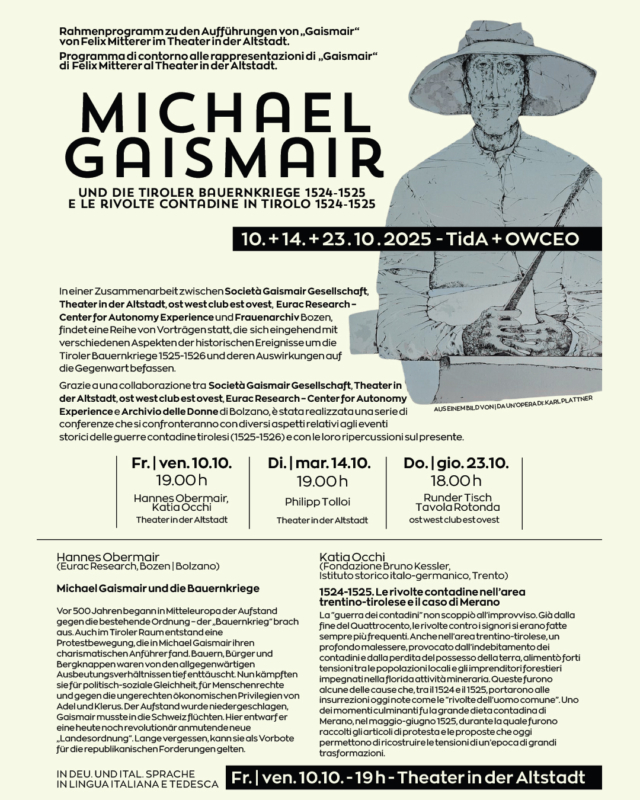
Michael Gaismair – Die Spurensuche der Historikerin: Frauen in der ...
Erbe Österreich: Der Tiroler Bauernrebell: Michael Gaismair - ORF III

Erbe Österreich: Der Tiroler Bauernrebell: Michael Gaismair - ORF III ...
Michael Gaismair. Vergessener Held Des Tiroler Bauernkrieges : Amazon

Michael Gaismair. Vergessener Held des Tiroler Bauernkrieges : Amazon ...