When a simple jar becomes a vessel for our anxieties, the act of writing down what terrifies us can feel oddly therapeutic. This practice, popularized on social media and used in therapy circles, rests on well‑established psychological principles: externalizing thoughts, creating tangible boundaries, and fostering a sense of control over otherwise invisible fears.
Why Do People Place Their Fears in a Physical Container?
Psychologists explain that our minds often hold fears in an unstructured stream—rumination that feeds anxiety. By transferring these thoughts onto paper and sealing them in a jar, we give the mind a concrete cue that these worries are now “outside” our immediate cognitive space. This act mirrors the classic “letting go” ritual in mindfulness, but with a tangible endpoint.
- Clarity through condensation: Writing forces the abstract into specific words, cutting out the diffuse dread that thrives on vagueness.
- Sense of containment: A jar physically limits the number of fears you can store, which helps prioritize and manage them.
- Symbolic closure: Once the paper is sealed, the fear is no longer an active part of the day’s mental load.
How Does This Practice Influence Stress Levels?
Empirical research on “fear jars” is limited, but related studies on journaling show measurable reductions in cortisol and improved emotional regulation. The jar extends these benefits by adding a ritualistic component:
- Preparation phase: The anticipation of writing and sealing each fear triggers a calming response, similar to preparing a meditation.
- Releasing phase: Seeing a fear transformed into a written note and physically set aside provides an immediate psychological release.
- Reflective phase: Periodic review of the jar encourages a habit of cognitive reframing, turning passive worries into active problem‑solving tasks.
While a single session of jar‑writing may not eliminate a long‑term anxiety disorder, it can serve as an adjunct to therapy or self‑help plans.
Can Everyone Use a Fear Jar Effectively?
Not every individual will benefit equally. Those with highly intrusive or traumatic thoughts might find the process unsettling, as it briefly brings the anxiety back to the surface. For such cases, a guided therapist’s intervention is advisable before adopting the jar method.
Conversely, people experiencing chronic “small‑scale” worries—like a fear of public speaking or financial instability—often find the jar a simple yet powerful tool. It gives them an immediate action step: “What am I really afraid of? How can I tackle it?”
What Are the Practical Steps to Set Up a Fear Jar?
- Choose a suitable jar: A clear, resealable container works best because you can see the contents and feel the physical weight of your worries.
- Gather supplies: Small sheets of paper, a pen, and a lid that seals securely.
- Define a writing routine: Allocate 10‑15 minutes weekly, perhaps on a Sunday evening, to write down a single fear or list up to five.
- Seal and store: Place the paper in the jar, close it, and keep it in a neutral spot—your desk, a drawer, or a shelf where you’ll see it but not feel pressured by it.
- Review periodically: Once every month, pull a note and decide whether it still requires attention or if you can let it go completely.
What Does This Technique Say About Our Relationship With Fear?
At its core, the fear‑jar exercise underscores a powerful insight: anxiety is often a product of its persistence in the mind, not merely its existence. By externalizing fears, we shift their ownership from an intangible mental burden to a manageable, concrete item. This subtle shift can alter the emotional weight we attach to each worry and, over time, help build resilience.
For those grappling with daily uncertainties, a jar offers a low‑effort, high‑visibility method to transform abstract dread into actionable steps. It’s a simple practice that, when combined with reflective self‑talk and supportive resources, can provide a meaningful foothold in the ongoing battle against chronic anxiety.
Adidas Samba

Adidas Samba
Adidas Samba OG Shoes - White | Adidas UAE
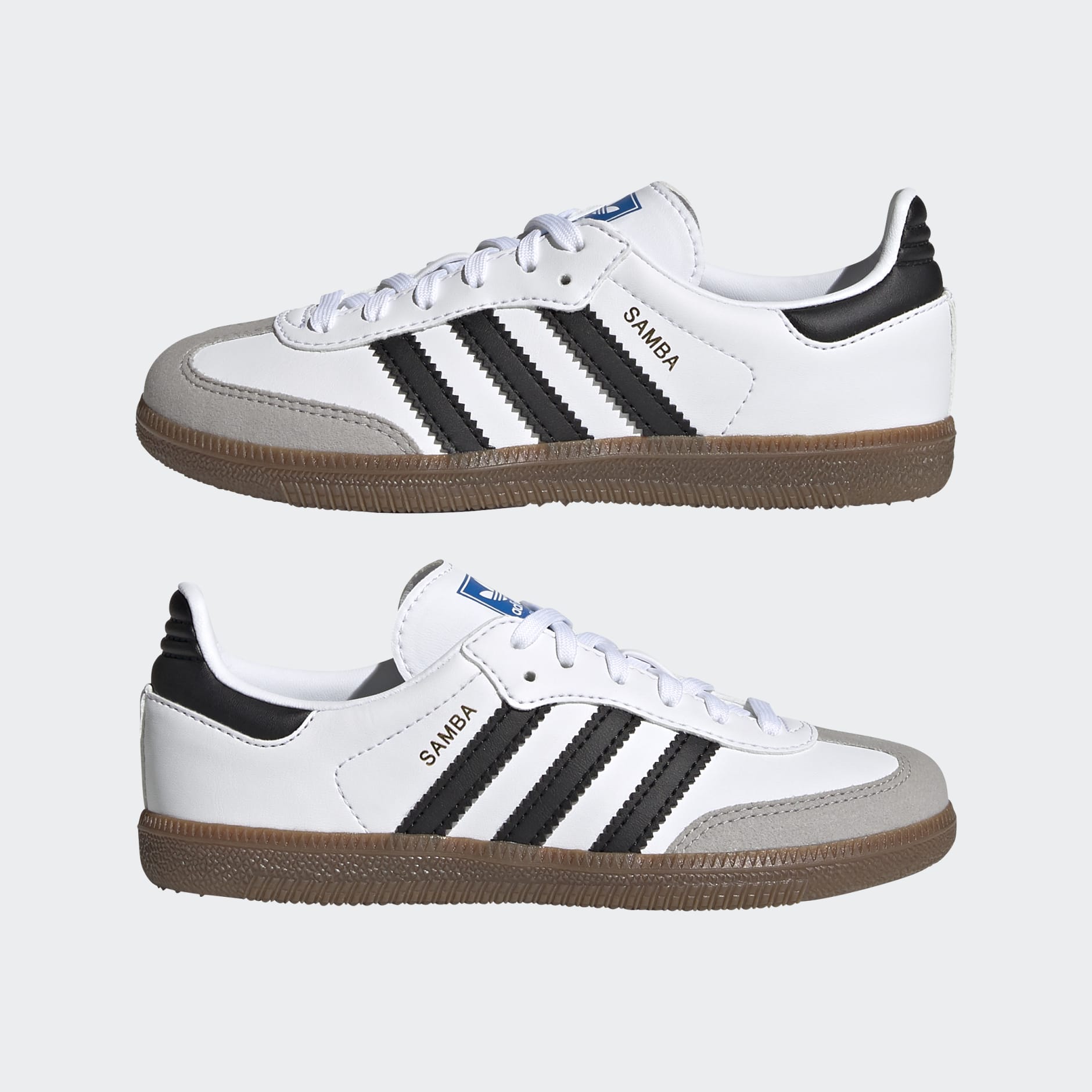
adidas Samba OG Shoes - White | adidas UAE
Adidas Samba | Shop Sneakers Online | SVD KSA

adidas Samba | Shop Sneakers Online | SVD KSA
Adidas Chaussure Samba OG - Blanc
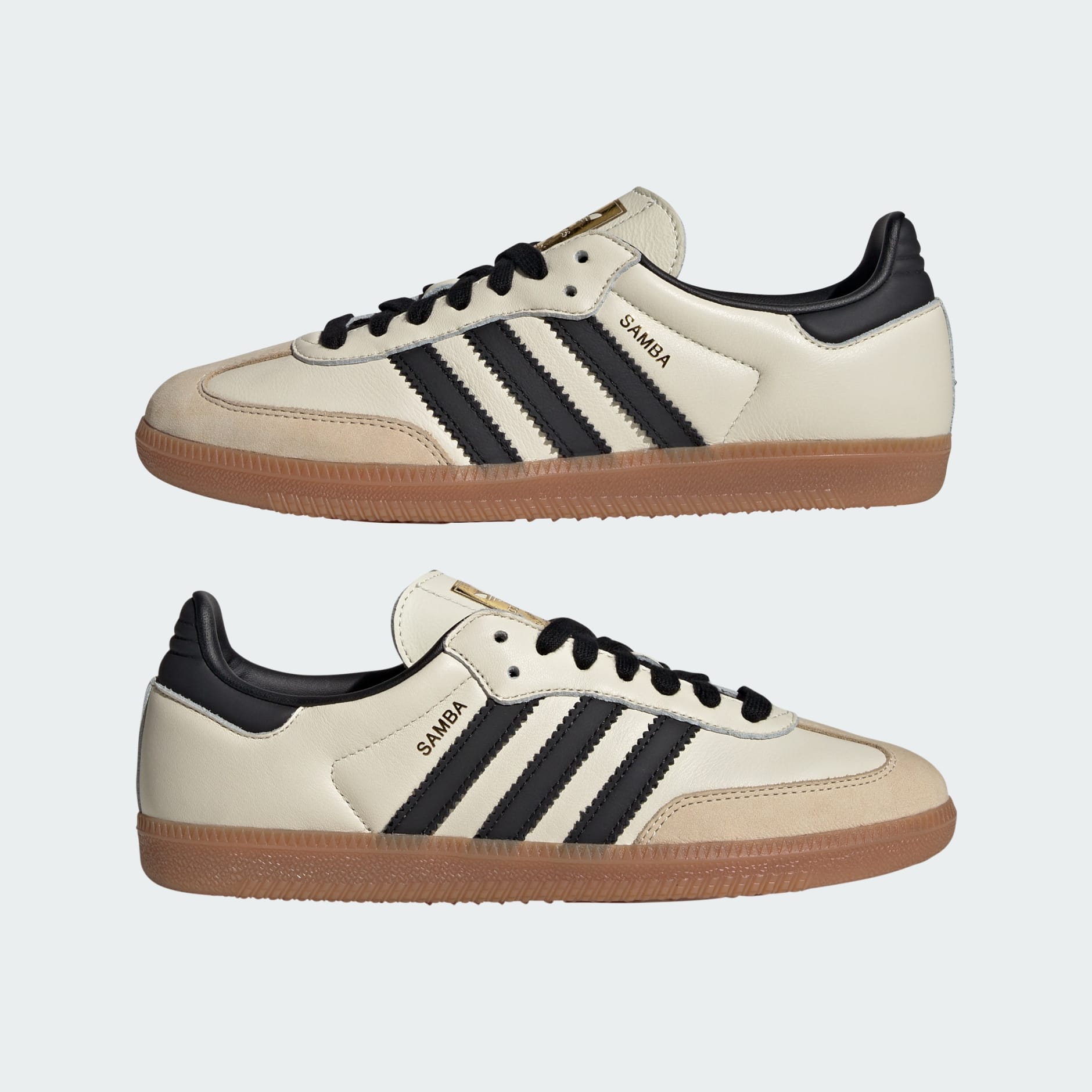
adidas Chaussure Samba OG - Blanc
Adidas Samba OG Shoes - Black | Adidas Magyarország
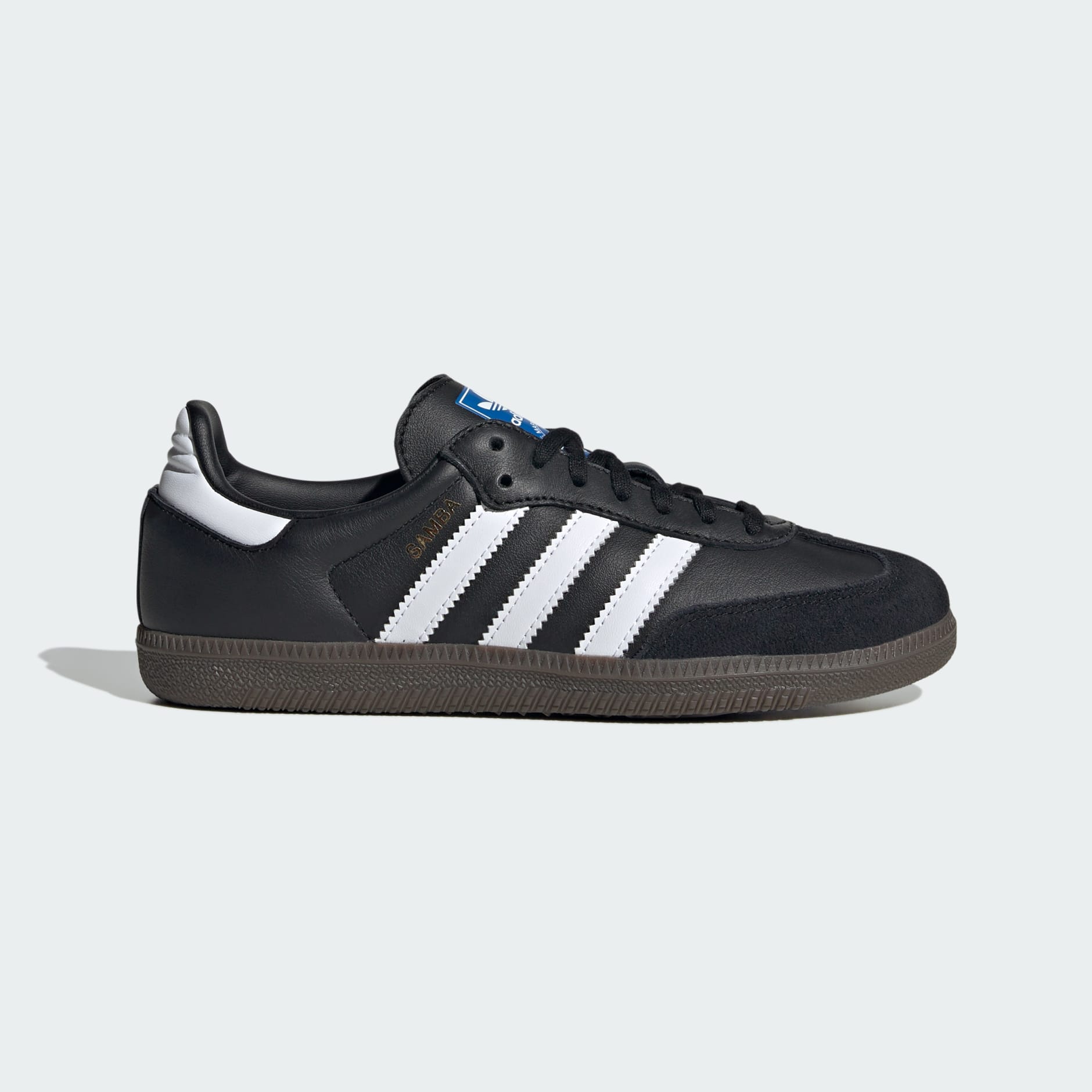
adidas Samba OG Shoes - Black | adidas Magyarország