Finding the right license in Colorado’s complex regulatory landscape can feel like searching for a needle in a regulatory haystack. A small oversight—such as a misspelled keyword or an outdated database filter—can waste weeks, cost money, and jeopardize a business’s ability to operate legally. Below, we break down the most frequent errors, illustrate real-world scenarios, and present concrete ways to sidestep them.
Why a Misspelled Keyword Can Cost You the License You Need
Imagine you’re a small bakery in Denver looking for a food‑service license. A quick Google search with the term “Colorado food service licese” (notice the typo) yields results that point to the wrong state agency or an unrelated industry. In practice, this can lead to:
- Filling out the wrong application form.
- Submitting fees to the wrong department.
- Delays because the correct paperwork is sent back for correction.
To avoid this, double‑check your search terms. Use the official “Colorado Department of Regulatory Agencies” or “Colorado Secretary of State” search tools. If you’re uncertain, start with the exact title of the license you need; many agencies list them alphabetically on their websites.
How Ignoring Jurisdictional Variations Can Sink a Project
Colorado is split into 64 counties, each with its own permitting nuances. A construction company in Colorado Springs might assume the same fire‑safety certificate applies citywide, only to discover Pueblo requires a separate environmental assessment. This mismatch often stems from:
- Using a statewide search tool without filtering for the specific county.
- Assuming a city ordinance is a blanket policy across the state.
Practical fix: after locating the general license type, drill down to the county or city’s online portal. Many agencies provide a “Where Do I Apply?” section that maps the license to the correct jurisdiction.
What Happens When You Skip the Pre‑Application Checklist?
Before you hit “Submit,” reviewers often request additional documents—such as a building plan, proof of insurance, or a background check. A common error is submitting only the core application and then receiving a “more information needed” notice months later. This scenario repeats when:
- Applicants overlook required attachments.
- They use outdated checklists that miss recent policy changes.
Solution: download the latest checklist from the agency’s website, cross‑reference every item with your own records, and keep a copy of the checklist for your files. If possible, schedule a quick phone call with a regulatory officer to confirm the requirements.
Why Relying on Third‑Party Aggregators Can Backfire
Many businesses turn to commercial portals that claim to aggregate all Colorado licenses. These sites can:
- Provide outdated links that redirect to obsolete forms.
- Charge fees for services that the agency offers for free.
- Publish incorrect licensing requirements, especially after recent legislative changes.
Always verify the information against the official agency site. When in doubt, call the agency’s helpline or email the compliance officer listed on their page.
How to Keep Up When Regulations Change Frequently
Colorado’s licensing framework can shift due to new laws, budget changes, or public health emergencies. A failure to stay updated may result in:
- Submitting a form that no longer conforms to current standards.
- Missing a deadline for an updated fee structure.
- Receiving a denial because the license type itself was renamed.
Strategic approach: subscribe to the agency’s email updates, follow their official social‑media feeds, and join local industry groups that share regulatory news. Set a quarterly review of your licenses to confirm they remain valid and compliant.
When a Quick Fix Leads to a Legal Gap
Some small business owners think they can bypass a complex licensing requirement by “doing a quick online check.” Yet, this often overlooks critical safety or environmental compliance steps that could expose them to fines. A real example: a craft brewery in Boulder used a simplified online form to request a brewing license, only to be halted when the state required an on‑site inspection that the simplified form omitted.
Best practice: treat each license as a project with multiple phases—research, application, inspection, and final approval. Allocate time for each phase and keep detailed documentation.
Conclusion: Build a System, Not a Guess
Colorado’s licensing environment rewards thoroughness over speed. By verifying search terms, respecting jurisdictional differences, completing every pre‑application item, relying on official sources, staying abreast of changes, and planning each compliance step, you can avoid the most common pitfalls that stall or derail your business. The result? A smoother, faster approval process and the peace of mind that your operation is truly compliant.”
Avoid — перевод, транскрипция, произношение и примеры

Avoid — перевод, транскрипция, произношение и примеры
Avoid In English: Usage, Structure & Examples
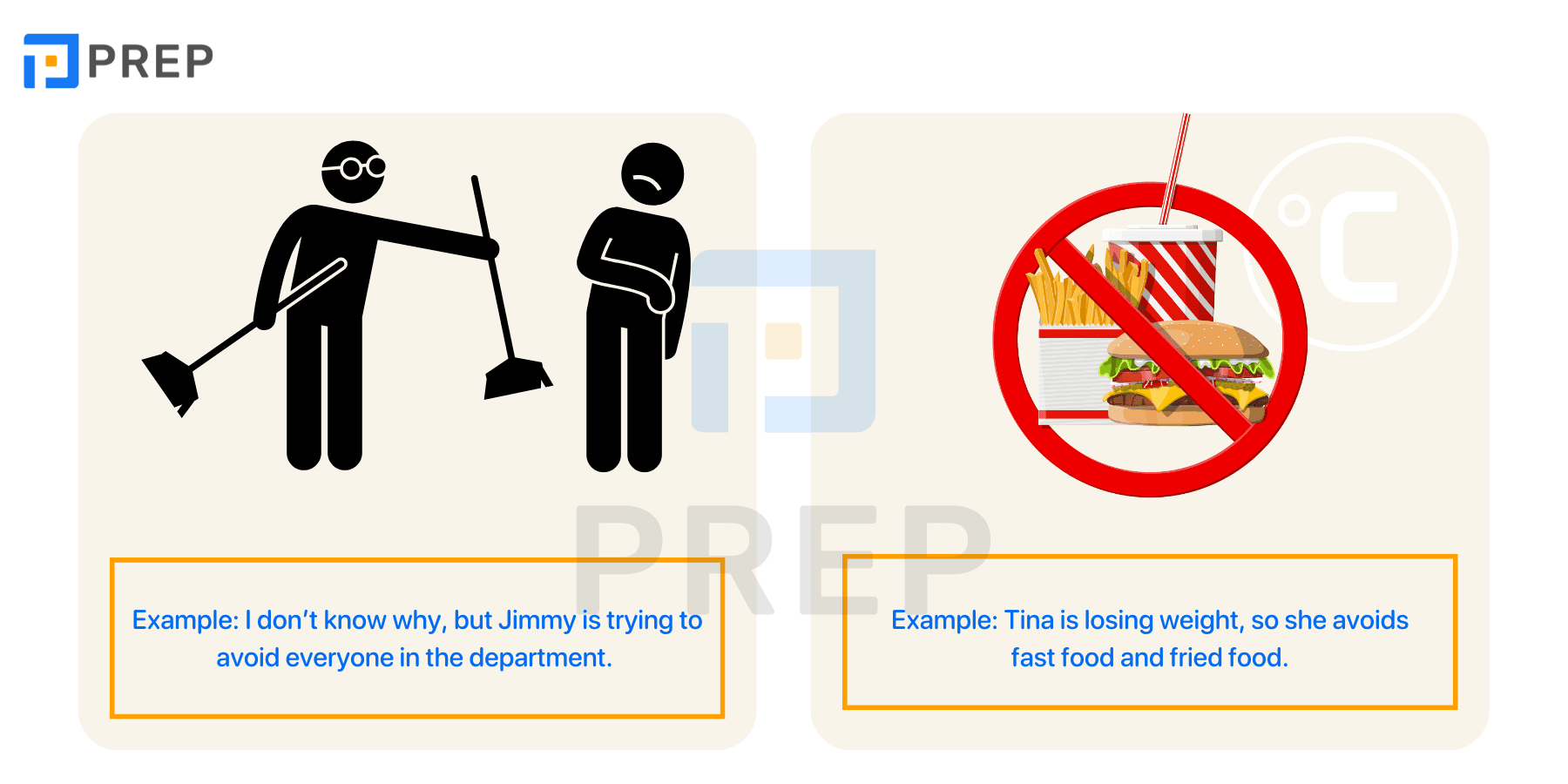
Avoid in English: Usage, Structure & Examples
Avoid Touching Eye Nose And Mouth - Illustration As EPS 10 File Stock
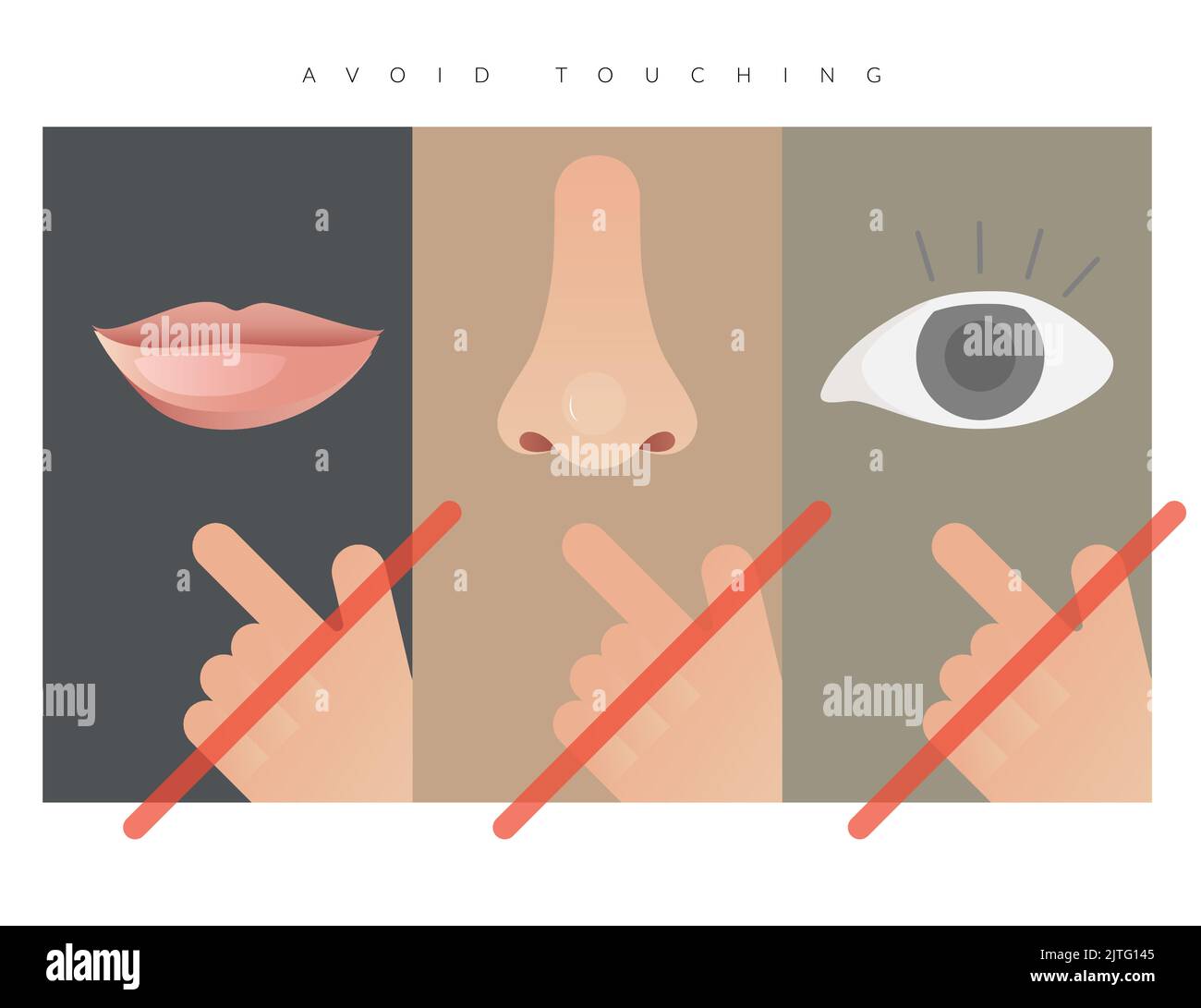
Avoid Touching Eye Nose and Mouth - Illustration as EPS 10 File Stock ...
Avoid Sign

Avoid Sign
Foods To Eat And Avoid During Pregnancy: New Mum's Guide 2024 – WJL

Foods to Eat and Avoid During Pregnancy: New Mum's Guide 2024 – WJL