As more people shift toward online property management, landlords and tenants alike are turning to digital tools to draft and store lease agreements. A well‑structured template not only saves time but also protects both parties from costly misunderstandings. However, many newcomers stumble over legal gaps or overly complex clauses that can jeopardize their rental arrangements.
Why a Custom Template Matters
Standardized lease forms can work for casual rentals, but they rarely account for local statutes, unique property features, or individualized landlord policies. Crafting a tailored template ensures compliance with state law—such as required disclosures for mold or lead paint—and reflects the specific terms you and your tenant have agreed upon.
Common Pitfalls When Drafting
- Neglecting Security Deposit Limits
Many templates omit the exact amount a tenant can legally collect or the timeframe for returning the deposit. Failure to specify these details can spark disputes if the landlord delays the refund. - Ambiguous Pet Policies
Vague language about “reasonable behavior” or “extra cleaning fees” leaves room for interpretation. A clear clause that states pet type, number, and any additional deposits eliminates future friction. - Inconsistent Term Lengths
Some landlords draft separate clauses for month‑to‑month and fixed‑term leases, but forget to align them with the same renewal procedures, leading to overlapping obligations. - Ignoring Local Housing Codes
Even the most polished template can be invalid if it clashes with city ordinances—for instance, failing to provide required notice for rent increases in cities with rent‑control laws. - Overcomplicating Language
Using legalese makes the document hard for tenants to understand, which can trigger complaints or legal challenges if a clause is deemed unfair.
Smarter Alternatives for a Safer Agreement
- Start with a reputable template builder—many cloud‑based platforms offer pre‑approved sections that automatically adapt to your state’s regulations. These tools insert the proper disclosures and cap limits for security deposits.
- Include a “customization checklist” after the main body. This sidebar reminds you to adjust sections such as pet fees, sub‑leasing rules, or utility responsibilities to match each property’s realities.
- Leverage electronic signatures and version control. Storing the lease in a shared cloud folder means both parties can review changes in real time, and a timestamp guarantees the document’s authenticity.
- Schedule a quick legal review for first‑time templates. Even a brief check by a property‑law attorney can catch hidden pitfalls—especially when the lease covers high‑rise apartments or vacation rentals.
- Embed a “dispute resolution” clause that favors mediation. Rather than defaulting to litigation, specifying a neutral mediator can save both time and money if disagreements arise.
Implications for Landlords and Tenants
Using a polished, customized template reduces the chance of misinterpretation and shields both parties from unexpected legal costs. Tenants gain clarity on responsibilities, while landlords secure a reliable framework that minimizes late payments and property damage claims. In a marketplace where digital transactions are the norm, a well‑crafted agreement is a foundational investment—one that pays off in fewer headaches and a smoother tenancy.
Whether you manage a single rental or a portfolio of properties, starting with a clear, legally sound template is the first step toward a hassle‑free leasing experience. By avoiding common missteps and choosing smarter drafting tools, both landlords and tenants can enjoy peace of mind that their rights and expectations are formally protected.
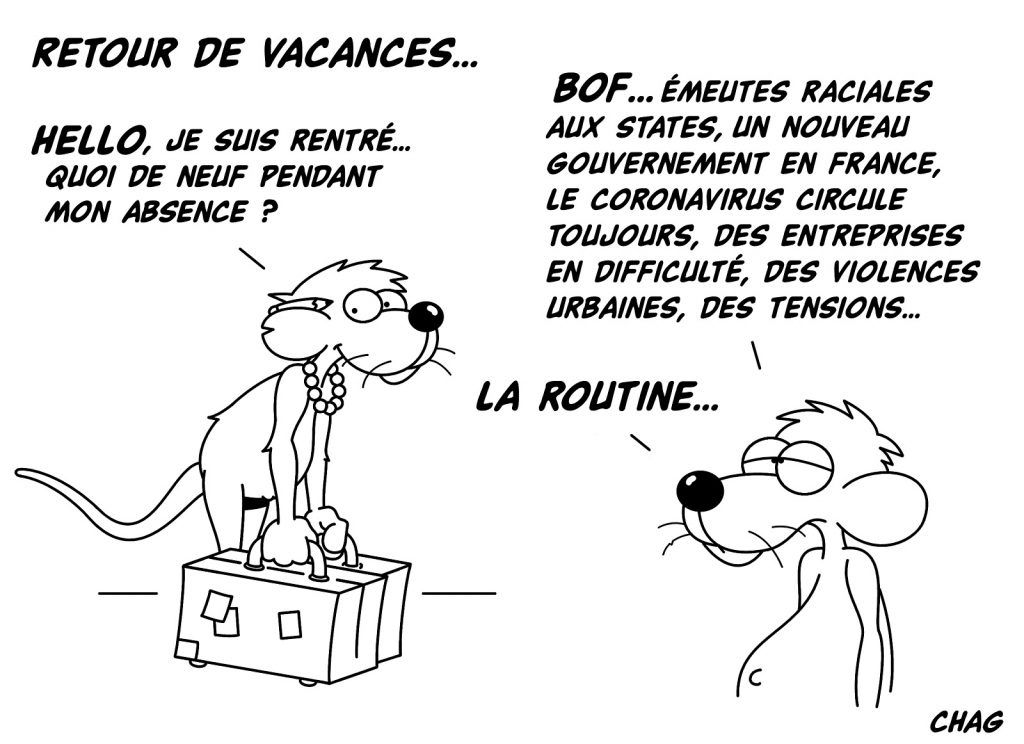
Retour De Vacances Humour

Retour De Vacances Humour
Vacances De La Toussaint ? – Blagues Et Dessins
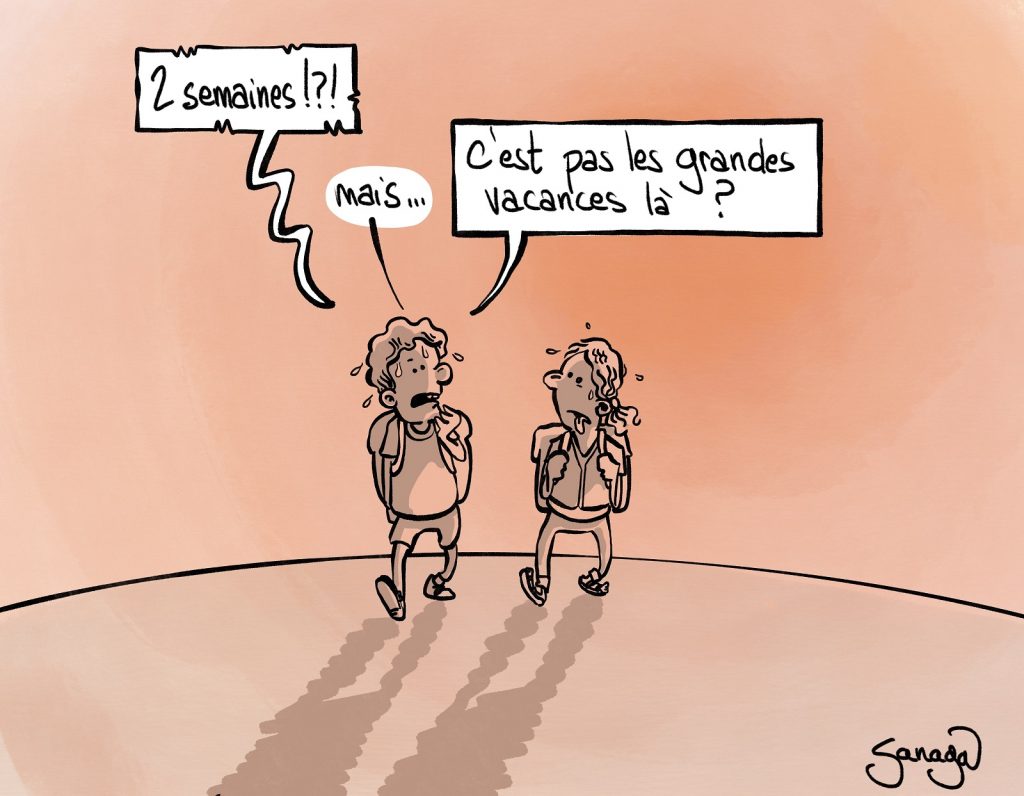
Vacances de la Toussaint ? – Blagues et Dessins
Humor - CPM HUMOUR DESSIN ILLUSTRATEUR NIKOLAZ 1996 MAITRE NAGEUR

Humor - CPM HUMOUR DESSIN ILLUSTRATEUR NIKOLAZ 1996 MAITRE NAGEUR ...