Fingernail templates have exploded in popularity, turning DIY manicures into quick, professional‑looking results. Yet, new users often stumble on a handful of pitfalls that can turn a flawless look into a clumsy mishap. From choosing the wrong size to neglecting proper sanitation, these simple blunders can cost time, money, and even health. Below, we break down the most common mistakes and offer clear, actionable guidance for anyone starting out with nail templates.
Getting the Basics Right: Size and Shape Matter
Nail templates come in a spectrum of shapes—square, round, almond, and more. A frequent beginner error is selecting a template that doesn't match the natural nail bed. If the template is too wide or too narrow, you’ll end up with a design that looks forced or leaves gaps where polish can leak under the cuticle.
- Measure carefully: Use a ruler or a dedicated nail template app to gauge your fingertip width. Match that measurement to the template’s size chart.
- Start with a neutral shape: For the first time, choose a simple round or square template. Once you’re comfortable, explore more elaborate styles.
Hygiene Is Key: Clean Tools Prevent Infection
Many new users skip cleaning steps, thinking a quick wipe with a damp cloth is enough. In reality, bacteria thrive on the tiny spaces between nails, and templates can become a conduit if not properly sanitized.
- Wash your hands before and after applying templates.
- Disinfect each template with alcohol or a commercial nail cleanser.
- Avoid reusing disposable templates that have been exposed to other users.
Don’t Overdo Adhesives: Too Much Glue = Too Much Trouble
Adhesives can help keep templates in place, but overuse often leads to a stubborn residue that is difficult to remove and can damage the natural nail. Beginners may instinctively apply several layers of glue or use a strong brand without testing first.
- Use a single, thin layer of nail glue.
- Let the adhesive dry for 30–60 seconds before painting.
- When removing, gently lift the template and use an acetone soak to dissolve remaining glue.
Selecting a Durable Template: Material Counts
Not all templates are created equal. Plastic options are affordable and versatile but may bend under heat. Metal or high‑grade acrylic templates offer durability and precise edges, but they cost more.
- For frequent use: Opt for metal or high‑grade acrylic.
- For occasional DIY sessions: Reusable plastic templates suffice.
- Always check for sharp edges that could damage your nails.
Timing Matters: When to Remove and Replace
Leaving templates on too long can cause the natural nail to soften and lift, while removing them too quickly can tear the polish. Aim for the sweet spot—typically 30–45 minutes of use for a standard polish.
- Mark the time when you apply the template.
- Set a timer to remind you when it’s time to remove.
- After removal, apply a quick coat of clear top coat to seal any gaps.
Final Check: Test Your Template Before the Big Day
Before applying a template to an entire hand, practice on a single nail. This trial run lets you gauge fit, adhesion, and polish flow. If the template feels loose or the polish seeps under the edges, swap to a different size or shape.
By approaching fingernail templates with a clear plan—measuring accurately, maintaining hygiene, using adhesives sparingly, and selecting the right material—you’ll transform a casual DIY nail session into a reliable, repeatable success. Remember: the most common mistakes are preventable with a bit of attention to detail, and the payoff is a polished, professional look that lasts.
Avoid In English: Usage, Structure & Examples
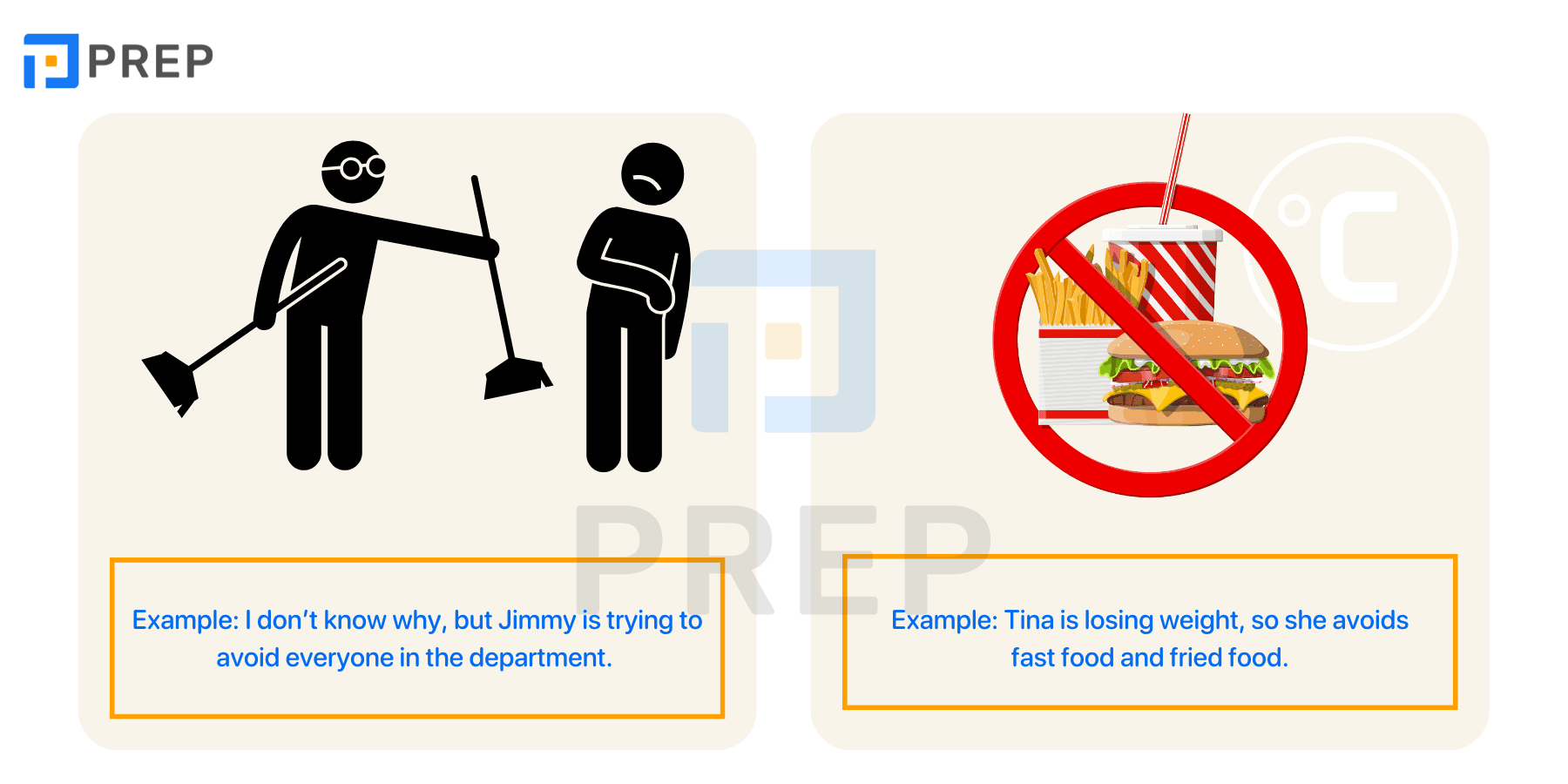
Avoid in English: Usage, Structure & Examples
Foods To Eat And Avoid During Pregnancy: New Mum's Guide 2024 – WJL

Foods to Eat and Avoid During Pregnancy: New Mum's Guide 2024 – WJL
Avoid — перевод, транскрипция, произношение и примеры

Avoid — перевод, транскрипция, произношение и примеры