Treasure maps have long been symbols of adventure and discovery, but many people still see them as a niche craft rather than a versatile tool for storytelling, education, or gaming. Recent trends in digital learning platforms and open‑source design have made high‑quality map templates freely available, allowing hobbyists, teachers, and game designers to create authentic, personalized maps without incurring costs or mastering complex design software. Below is a practical guide to sourcing, customizing, and printing your own treasure maps.
Why a Treasure Map Matters in Modern Play and Learning
Beyond the classic pirate lore, treasure maps serve as interactive learning aids, encouraging spatial reasoning, map literacy, and narrative engagement. In classrooms, they can illustrate historical navigation or guide field‑trip scavenger hunts. For tabletop RPGs and escape rooms, a hand‑drawn map adds atmosphere and tactile interest that digital screens sometimes lack. Recognizing this potential, several free‑resource sites now curate ready‑made templates that can be adapted with minimal effort.
Where to Start: Free Printable Templates
Three primary sources offer a range of styles, from medieval parchment to modern cartographic layouts:
- Open Design Libraries – Sites such as OpenClipart or the public domain collections on Wikimedia provide vector outlines that can be downloaded and edited in free programs like Inkscape or GIMP.
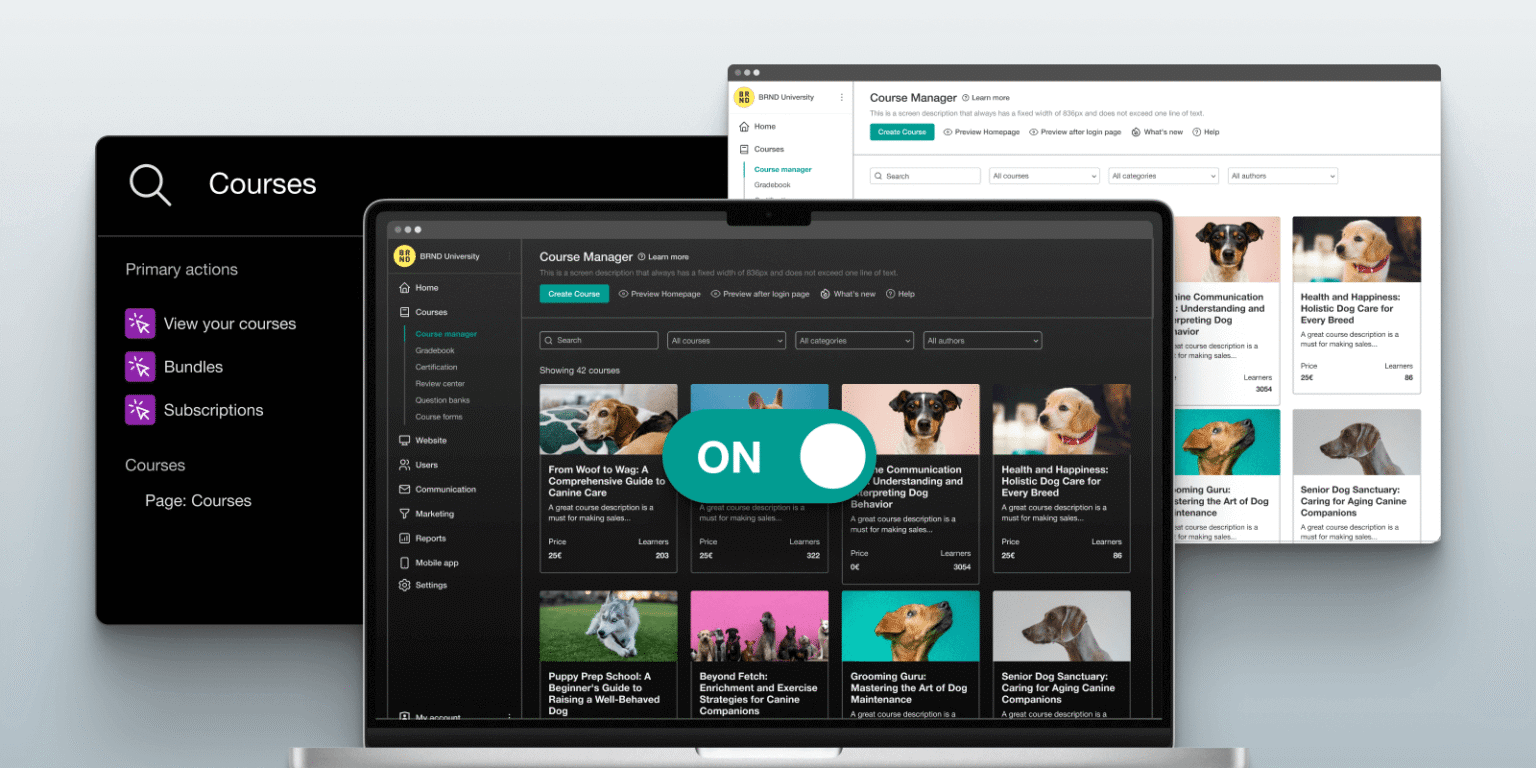
- Educational portals – Platforms like LearnWorlds host printable worksheets and interactive modules; a recent screenshot of their “Learning Platform” (see image below) shows a range of creative resources, including map‑making templates tailored for lesson plans.
- Stock photo repositories – While primarily image archives, some sites (e.g., rawpixel) offer downloadable PNGs of stylized map elements that can be layered onto a base template.
Step‑by‑Step: Designing Your Custom Treasure Map
1. **Choose a Base** – Start with a high‑resolution parchment template or a blank canvas. The choice influences the map’s texture and readability.
2. **Plot Key Locations** – Use a grid overlay to place landmarks (e.g., “Old Oak Tree,” “Cave of Echoes”) with clear symbols. Keep a legend so players can decode icons quickly.
3. **Add Navigational Cues** – Incorporate directional arrows, compass roses, and distance markers. Hand‑drawing these details can give the map a genuine feel.
4. **Embed Narrative Elements** – Small illustrations or riddles tucked into corners spark curiosity and encourage exploration.
5. **Finalize with Finishing Touches** – Apply a weathering filter or overlay a faint texture to mimic aged paper, ensuring the map looks authentic even after printing.
Customizing and Printing for Quality Results
Most templates are designed for standard 8.5×11 inches, but you can scale them up to 11×17 for larger board games or down for pocket‑sized clues. When printing, choose a matte or textured paper to emulate parchment. If you prefer digital play, export your finished map as a PDF and share it directly with participants.
Applying the Map Across Contexts
• **Classroom Explorations** – Use the map to guide students through a history lesson on coastal navigation or to design a geography scavenger hunt.
• **Tabletop RPGs** – Incorporate the map as part of a campaign’s lore, allowing players to trace their progress physically.
• **Escape Rooms and Events** – Embed the map into a puzzle series, where each clue unlocks the next map section.
• **Personal Projects** – Create themed itineraries for treasure hunts with friends or family, adding a touch of whimsy to gatherings.
Key Takeaways for the Detail‑Oriented Researcher
• Free printable resources eliminate the need for expensive design tools; a simple vector editor suffices to produce professional‑looking maps.
• Leveraging existing templates accelerates development while still allowing for extensive customization.
• Quality printing on textured paper enhances tactile engagement, a critical factor for immersive storytelling.
• A treasure map can serve educational, gaming, or personal purposes, making it a versatile tool worth mastering.
By combining readily available printables with a methodical design process, you can produce captivating treasure maps that enrich learning environments, elevate gaming experiences, and spark imaginative adventures—all without a hefty budget or advanced graphic skills.
7 Free Online Courses To Learn Skills That Pay $100,000+

7 Free Online Courses To Learn Skills That Pay $100,000+
Royalty Free E Learning Stock Photos | Rawpixel

Royalty Free E Learning Stock Photos | rawpixel
Royalty Free Portuguese Stock Photos | Rawpixel

Royalty Free Portuguese Stock Photos | rawpixel
Learn Unlearn Relearn | "The Illiterate Of The 21st Century … | Flickr
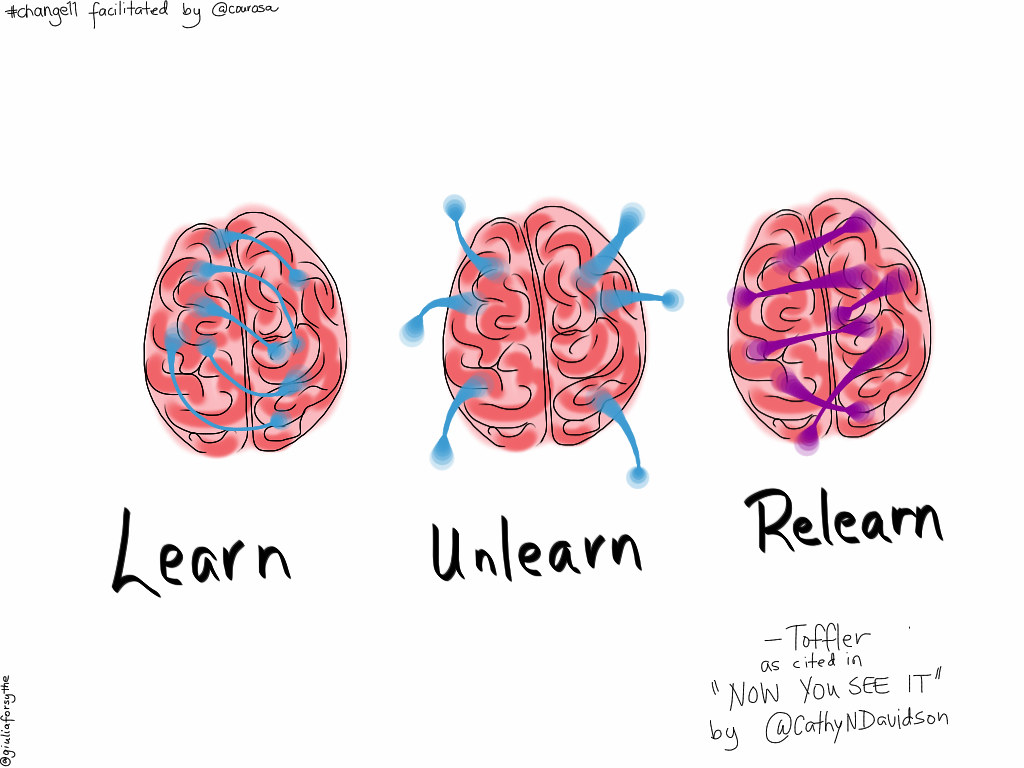
Learn Unlearn Relearn | "The illiterate of the 21st century … | Flickr