Genetics teachers, parents, and hobbyists alike often turn to a blank Punnett square to visualize inheritance patterns. Yet, the most basic tool can trip you up if it’s not set up or interpreted correctly. Below is a concise guide that highlights the common pitfalls, offers practical fixes, and weighs the pros and cons of sticking to a printable template versus switching to a digital alternative.
Why a Blank Punnett Square Still Needs a Methodology
A Punnett square is a grid that pairs the alleles of two parents to predict the genotypic and phenotypic ratios of their offspring. While the concept seems straightforward, the simplicity of a blank sheet invites missteps—especially when the exercise is part of a classroom or a homework assignment. A well‑structured printable template can save time, but it also demands a clear understanding of how to fill it correctly.
Top Common Mistakes to Watch Out For
- Inconsistent Allele Notation – Mixing uppercase and lowercase symbols or using different letters for the same gene can lead to confusion. Stick to a single convention, such as capital letters for dominant alleles (e.g., R) and lowercase for recessive (e.g., r).
- Wrong Number of Rows and Columns – A standard 2×2 square works for a single pair of alleles, but when you have multiple traits, you need a 4×4 or larger grid. Using the wrong size distorts probability calculations.
- Overlooking Multiple Alleles – Genes with more than two alleles (like the ABO blood type system) require a more complex matrix or an extended square. Failing to account for this results in inaccurate predictions.
- Assuming Independence Without Verification – Traits that are linked on the same chromosome can’t be treated as independent events. Ignoring linkage will skew your expected ratios.
- Missing a Key Step: Filling in the Off‑Diagonal Cells – It’s common to fill only the first row and column, leaving the rest blank. Remember that each cell must contain a pair of alleles—one from each parent—to calculate genotype frequencies accurately.
Each of these errors can be prevented with a few simple checks. That’s why the next section focuses on best practices.
Practical Strategies to Keep Your Punnett Squares Accurate
- Label Everything – Before you even start filling in the grid, write the parental genotypes on the top and side margins. A visual cue helps avoid misalignment.
- Use Color Coding – Assign one color to dominant alleles and another to recessive. Color coding works especially well with printable sheets that you can shade or highlight.
- Double‑Check Your Math – Once you’ve populated the grid, count each genotype and confirm that the percentages add up to 100%. If they don’t, retrace your steps.
- Include a Quick Reference Sheet – Keep a small table beside the square that lists the dominant-recessive relationship for each trait. This reduces the chance of misreading a symbol.
- Practice with Dummy Data – Before assigning a real student’s data, run through a practice example. This familiarises you with the workflow and reveals any hidden pitfalls.

Print‑in‑Hand vs. Digital Apps: Which Fits Your Workflow?
When it comes to choosing between a printable template and an interactive online tool, the decision often hinges on context.
- Pros of Printable Squares – No internet required, instant access, and the tactile feel can help students visualize the process.
- Cons of Printables – Hard to edit once a mistake is made, and they don’t automatically calculate ratios or flag inconsistencies.
- Pros of Digital Apps – Automatic calculations, error alerts, and the ability to handle multiple traits or linked genes in a single run.
- Cons of Digital Apps – Dependence on devices and potential privacy concerns if using cloud‑based services.
Many educators find a hybrid approach works best: use a printable sheet for the initial hand‑on exercise and then confirm results with an online calculator. This method preserves the benefits of both formats while minimizing their drawbacks.
Final Takeaway
A blank Punnett square is a powerful educational tool, but it only delivers accurate results when used properly. By standardising notation, double‑checking calculations, and selecting the right medium for your audience, you can avoid the most common mistakes and keep genetic reasoning clear and reliable. Whether you hand‑draw the grid in a classroom or input data into a software tool, the key is consistency and careful review—just as the warning signs in everyday life remind us to avoid common pitfalls before they become costly.
Avoid — перевод, транскрипция, произношение и примеры

Avoid — перевод, транскрипция, произношение и примеры
Avoid In English: Usage, Structure & Examples
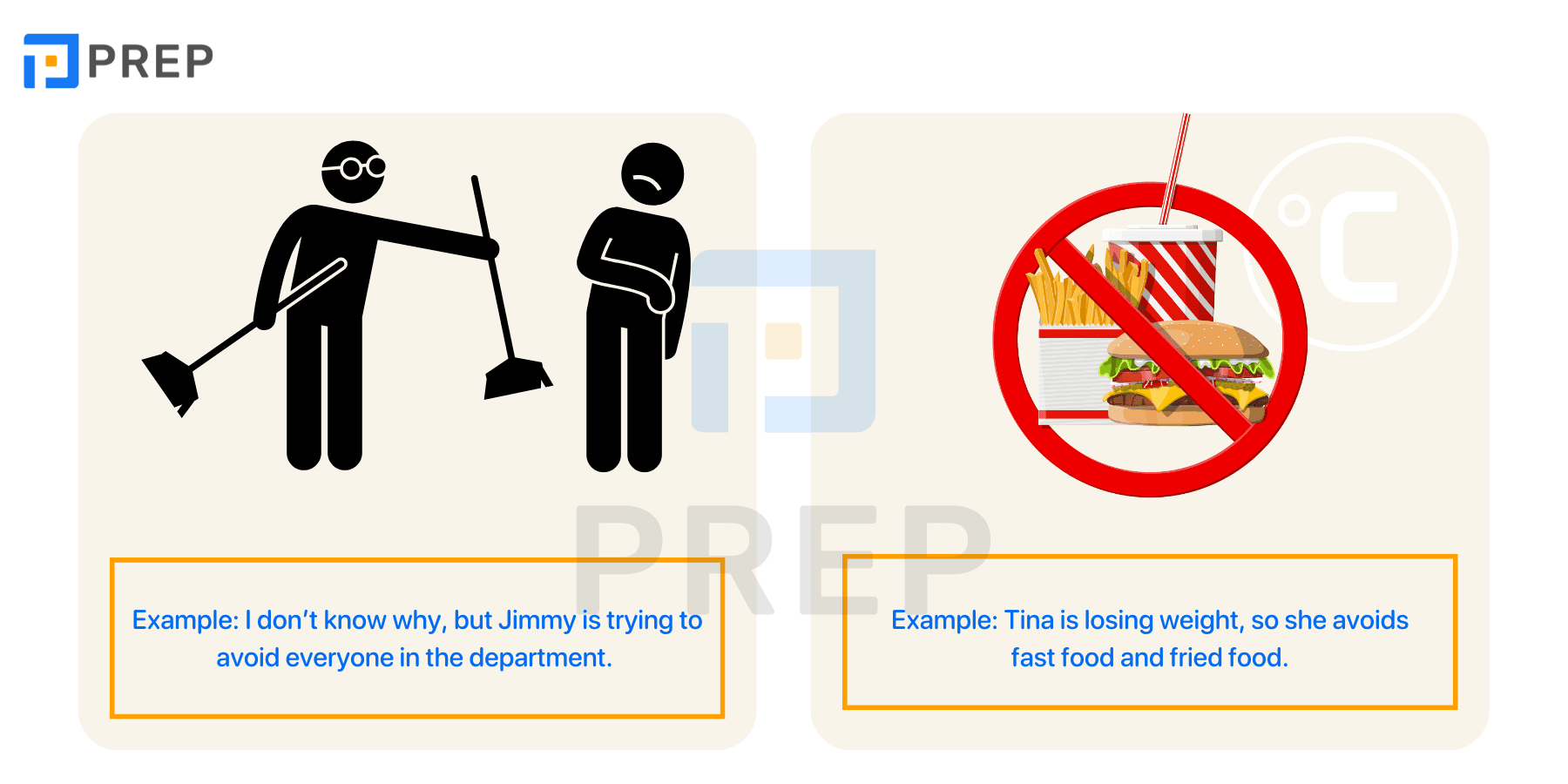
Avoid in English: Usage, Structure & Examples
Foods To Eat And Avoid During Pregnancy: New Mum's Guide 2024 – WJL

Foods to Eat and Avoid During Pregnancy: New Mum's Guide 2024 – WJL
Avoid Touching Eye Nose And Mouth - Illustration As EPS 10 File Stock
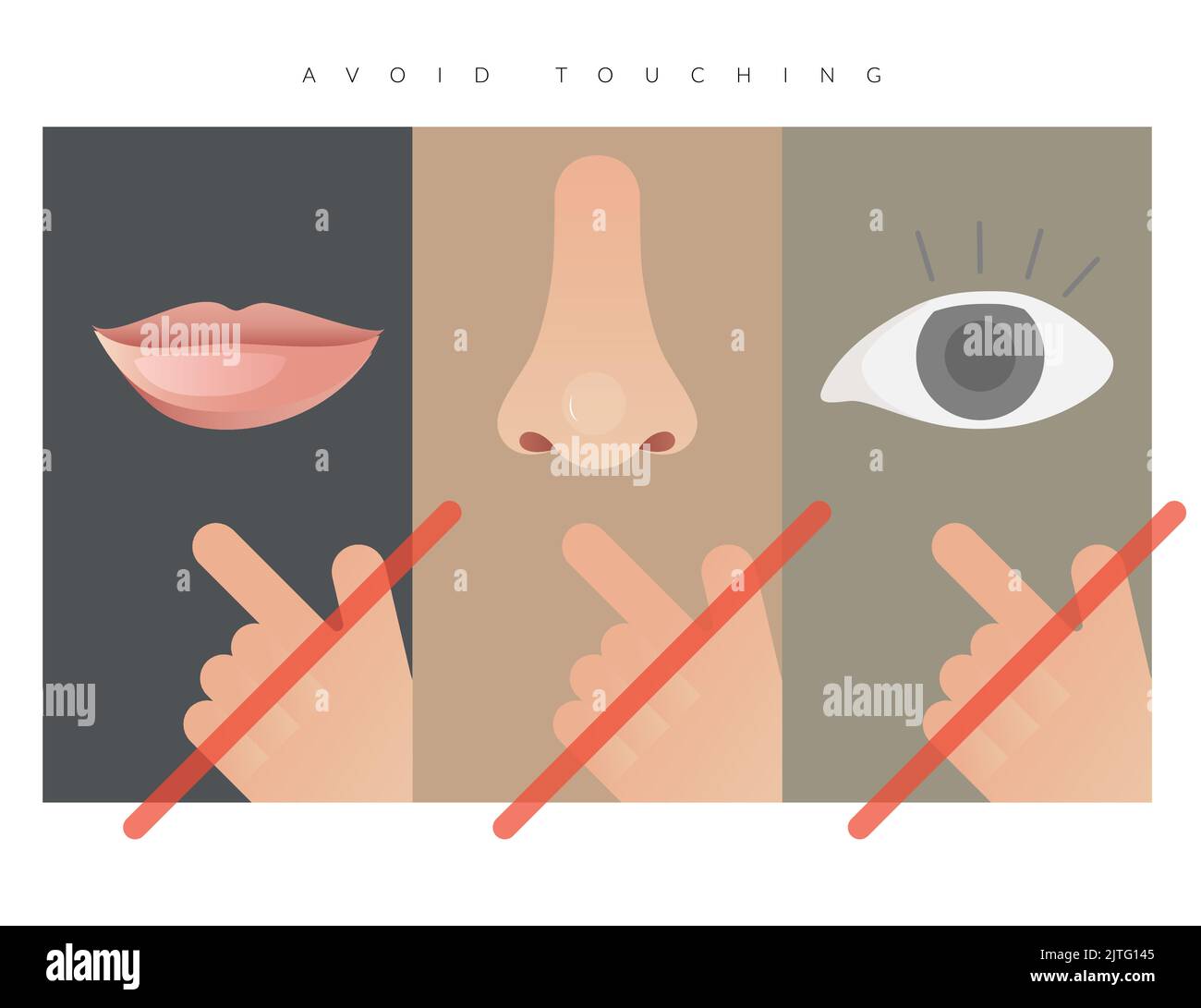
Avoid Touching Eye Nose and Mouth - Illustration as EPS 10 File Stock ...