When signing a lease, many tenants chase the headline “first month free” or “rent‑free move‑in.” Those perks can turn a tight budget into a smoother transition, but not every free rent offer is created equal. Below is a quick guide to the most common types, how to spot them in a contract, and what each actually means for your wallet and legal standing.
Why Landlords Still Hand Out Free Rent
In competitive markets, landlords use free rent as a hook to fill vacancies quickly. A short‑term, 1‑ or 2‑month rent abatement can also cushion tenants during lease negotiations or as a reward for signing a longer commitment. While the headline looks good, the fine print often hides extra obligations.
Typical Free Rent Structures
- First‑Month‑Free: You move in, pay nothing for the initial month, and start the regular rent afterward. Most leases split the cost across the 12‑month period to avoid cash flow hiccups.
- Rent Abatement: The landlord waives a specific portion of the rent for a set duration, sometimes in exchange for a signed extension or a higher security deposit.
- Move‑In Credit: Instead of a free month, you receive a dollar‑amount credit against future rent, often capped at a few weeks’ worth of rent.
- Seasonal or Promotional Discounts: Especially in retail or office spaces, landlords may offer rent reductions during slow periods or to attract high‑profile tenants.
Reading the Clause Carefully
Below is a snapshot of a standard lease template that highlights where free rent provisions usually sit. Notice the clause labeled “Rent Abatement” and the associated dates.

- Start and End Dates: Make sure the abatement period actually covers the time you’re moving in, not a calendar month that starts later.
- Calculation Method: Some contracts say “$200/month abated” but then apply it to the first month’s rent only. Confirm the math.
- Trigger Conditions: A free rent offer may only activate if you pay the full deposit upfront or sign a 24‑month lease. Check for hidden dependencies.
Negotiation Tips for Busy Tenants
- Ask for a written amendment instead of a verbal promise. A signed addendum keeps the offer enforceable.
- Swap the free month for a longer lease—often landlords are willing to give a month free in exchange for a 12‑month commitment.
- Use the free rent as a bargaining chip for lower maintenance fees or upgraded appliances.
- Keep a copy of the original lease and any amendments in a cloud folder—access them quickly when disputes arise.
Financial Impact in Quick Numbers
On a $1,200/month apartment, a first‑month‑free deal saves $1,200 upfront, but if the landlord still collects a security deposit of $1,200, your net out‑of‑pocket cost for the first month stays the same unless you negotiate a reduced deposit.
Potential Red Flags
- Free rent that disappears after a few weeks because the landlord uses a “pro-rated” calculation.
- Clauses that automatically trigger a rent increase after the free period if you renew.
- Hidden “improvements” fees that can outweigh the initial savings.
Bottom Line: Make the Free Rent Work for You
Free rent isn’t a free lunch—it’s a tactical tool. By understanding the exact wording, confirming the dates, and leveraging it in a broader negotiation, you can turn a headline‑grabber into tangible savings. For a ready-to-use template, the image above shows a standard lease form where you’ll likely find the free rent clause. Keep your eye on the fine print, and you’ll walk into your new space with a clear, cost‑effective arrangement.
Rental Agreement, Lease Contract Template, Editable Landlord Forms

Rental Agreement, Lease Contract Template, editable Landlord Forms ...
Docusign Lease Agreement Template
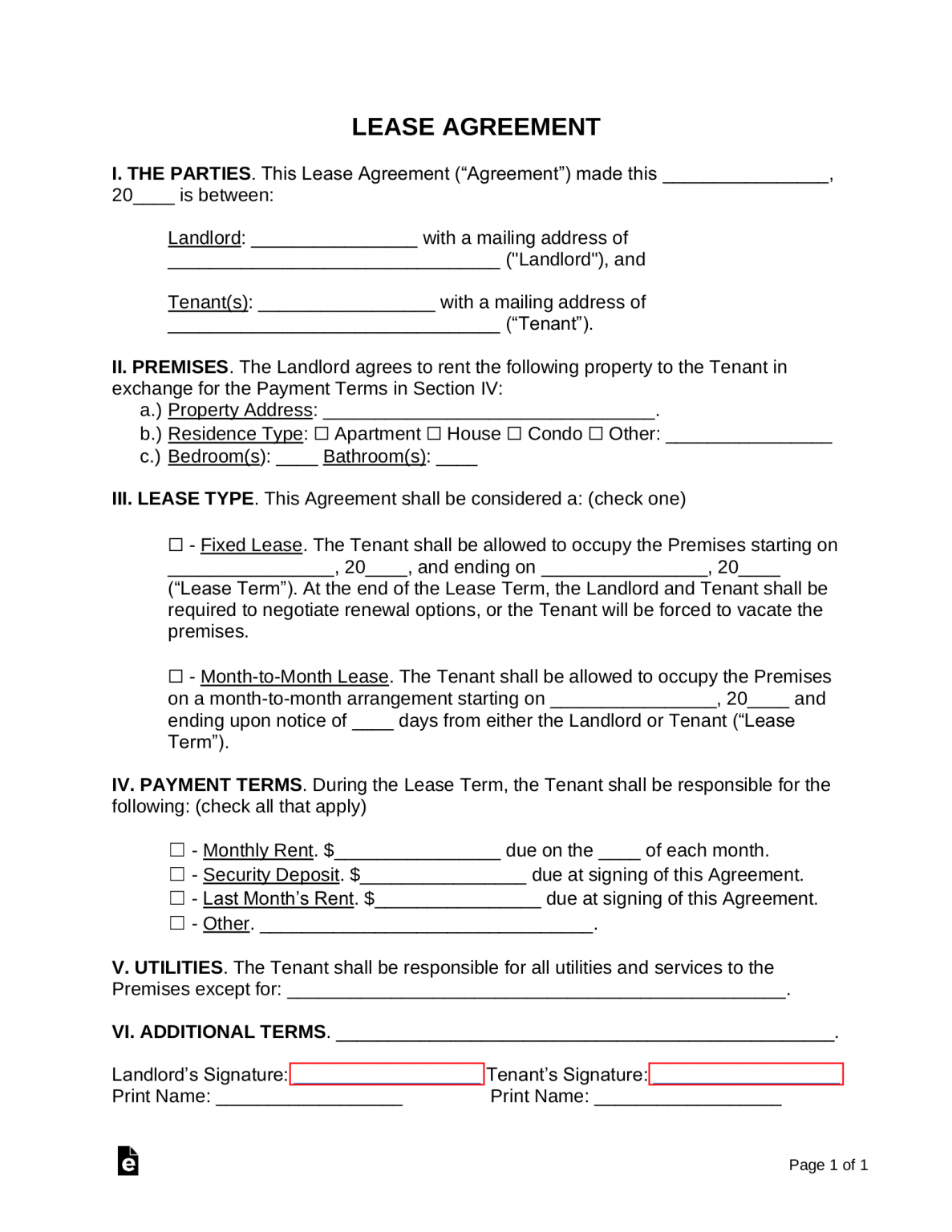
Docusign Lease Agreement Template
Lease Rental Agreement – Artofit
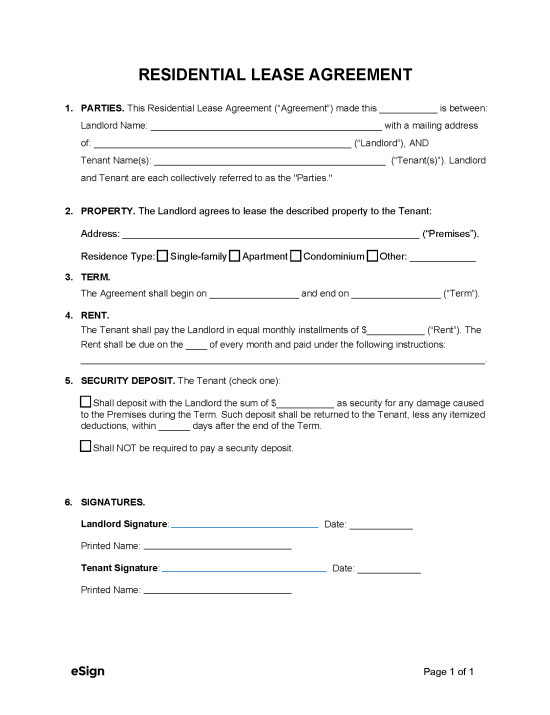
Lease rental agreement – Artofit
Rental Lease Agreement Free Printable Free Printable Residential Lease

Rental Lease Agreement Free Printable Free Printable Residential Lease ...