For centuries, couples have turned to the stars for guidance, hoping that the positions of planets at birth reveal hidden truths about romance and compatibility. The question—“Can you really predict a love match through a natal chart?”—continues to spark debate among skeptics, practitioners, and curious researchers alike. In this article we break down the evidence, methodology, and practical considerations so you can navigate the cosmos of relationship astrology with clarity.
What Is a Natal Chart and How Does It Map Love Potential?
A natal chart is a snapshot of the sky at the exact moment and place a person is born. It plots the Sun, Moon, planets, and major points—like the Ascendant and Midheaven—onto a 360‑degree circle, then translates that configuration into symbolic meanings. In love compatibility, astrologers focus on the Venus and Mars placements (representing attraction and passion), the Moon’s sign (emotional needs), and the 12th house (unconscious motivations). By comparing two charts, an astrologer seeks to identify harmonious aspects (trines, sextiles) or challenging ones (squares, oppositions) that may influence a relationship’s dynamics.
Is There Scientific Evidence Supporting Astrological Matching?
Empirical studies on astrology have largely found that any correlation between celestial bodies and personal traits is no stronger than chance. The Psychological Bulletin (2004) reviewed 35 studies and concluded that astrology’s predictive power falls within the limits of the confirmation bias. However, research into subjective satisfaction after an astrological reading shows that people often report greater alignment with their partners when they have consulted a chart. This suggests that the act of reflection, rather than planetary positions per se, may foster a deeper self‑insight.
What Role Does Context Play in Compatibility Assessments?
Astrologers emphasize that a chart is one lens among many. Cultural background, personal values, and life experiences all shape relational outcomes. Many practitioners therefore blend astrological insights with psychological frameworks—like attachment theory—to provide a more rounded compatibility profile. The resulting “astro‑psych” approach is often more persuasive to research‑oriented readers who want evidence-backed guidance.
How Do Practitioners Build a Compatibility Report?
- Collect Accurate Birth Data—Even a few minutes’ difference can shift a chart’s key points. Mis‑entered data leads to flawed interpretations.
- Map the Charts Side‑by‑Side—Practitioners overlay the two diagrams, highlighting shared planetary aspects.
- Identify Strengths and Tensions—They annotate supportive aspects that facilitate communication and highlight potential friction points that may need work.
- Offer Actionable Advice—Beyond predictions, astrologers suggest practical strategies (e.g., “Your Moon is in Pisces, so try compassionate listening”).
What Are the Common Pitfalls When Interpreting a Chart?
1. Overreliance on a Single Aspect—A strong Venus-Moon trine does not guarantee a perfect match if other conflicting aspects exist. 2. Neglecting the Houses—The house placement of a planet can drastically alter its expression (e.g., Venus in the 7th house versus the 10th). 3. Assuming Causality—Planetary positions reflect potential energies, not predetermined outcomes. Life choices ultimately shape relationships.
Can a Natal Chart Help You Make Informed Relationship Choices?
When used as a tool for self‑reflection, natal charts can illuminate patterns that might otherwise remain unconscious. For example, if both partners have a strong Mars in the 4th house, they may experience recurring domestic conflicts; recognizing this early can prompt proactive communication strategies. Moreover, astrology can provide a common language that facilitates dialogue about differences and expectations—much like a shared map in a collaborative project.
What Should You Look For When Choosing an Astrologer?
- Credentials and Transparency—Look for practitioners who disclose their methodology and acknowledge limitations.
- Experience with Compatibility Readings—A specialist in synastry or relationship astrology will have refined techniques that go beyond surface observations.
- Client Testimonials and Case Studies—Reputable astrologers often share anonymized success stories that illustrate the practical impact of their guidance.
In conclusion, while the science community largely rejects astrology’s predictive claims, the practice persists because it offers a structured way to explore personality dynamics and relationship potential. For detail‑oriented researchers, the key is to treat the natal chart as a heuristic—an intriguing starting point rather than a definitive verdict. By combining astrological insights with evidence‑based relationship strategies, couples can gain a richer, more nuanced understanding of what makes love work.
NUNUHANA USB충전팬 휴대용 탁상용 목걸이 핸디 선풍기 - USB/휴대용 리뷰후기

NUNUHANA USB충전팬 휴대용 탁상용 목걸이 핸디 선풍기 - USB/휴대용 리뷰후기
OA Portable Mini Fan | OA Portable Mini Fan | HS You | Flickr

OA Portable Mini Fan | OA Portable Mini Fan | HS You | Flickr
We Chose The Best Led Digital Display Hand Held Fan In The UK - 8/2026

We Chose The Best Led Digital Display Hand Held Fan in The UK - 8/2026 ...
Best 5 Quiet Handheld Fans Of 2026: Stay Cool With Ultra-Portable And
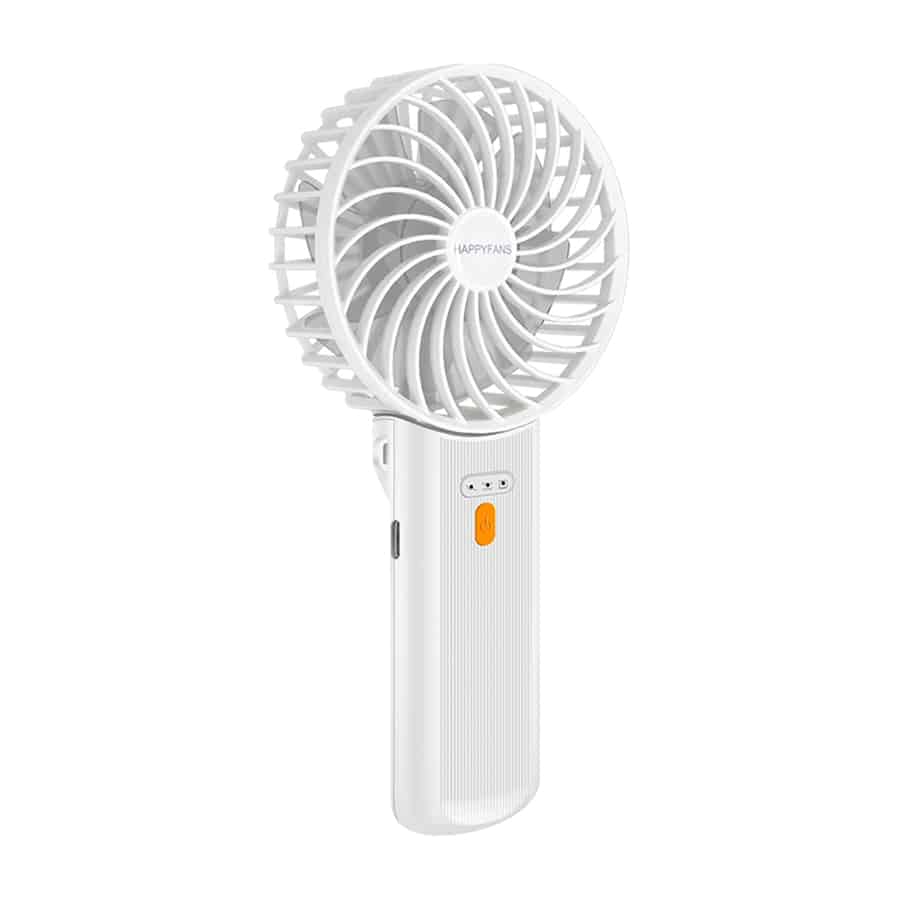
Best 5 Quiet Handheld Fans of 2026: Stay Cool with Ultra-Portable and ...
Decorate, Bedroom, Fan, Ceiling Fan, Black Color, No People Free Image

Decorate, Bedroom, Fan, Ceiling Fan, black color, no people free image ...