For hobbyist data engineers dipping their toes into distributed processing, “Local 28” often appears as a cryptic command‑line flag in Spark tutorials. In reality, it’s simply a way to tell Spark to run on a single machine while simulating 28 CPU cores, giving newcomers a sandbox that mirrors a modest cluster without the overhead of provisioning hardware. This guide walks you through why the setting matters, where it fits in Spark’s architecture, ideal scenarios, and the common traps to avoid.
What is “Local 28” and why does it matter for Spark beginners?
When you launch Spark with --master local[28], you’re instructing the driver to create 28 executor threads on the same host. The number mirrors the core count you’d expect on a small VM or a powerful laptop, allowing you to test parallelism, caching, and shuffle behavior before scaling out to a real cluster. The benefit is immediate feedback—jobs run fast, logs stay local, and you can experiment with SparkSQL, DataFrames, and RDD transformations without network latency.
How does Spark’s architecture support a “Local 28” setup?
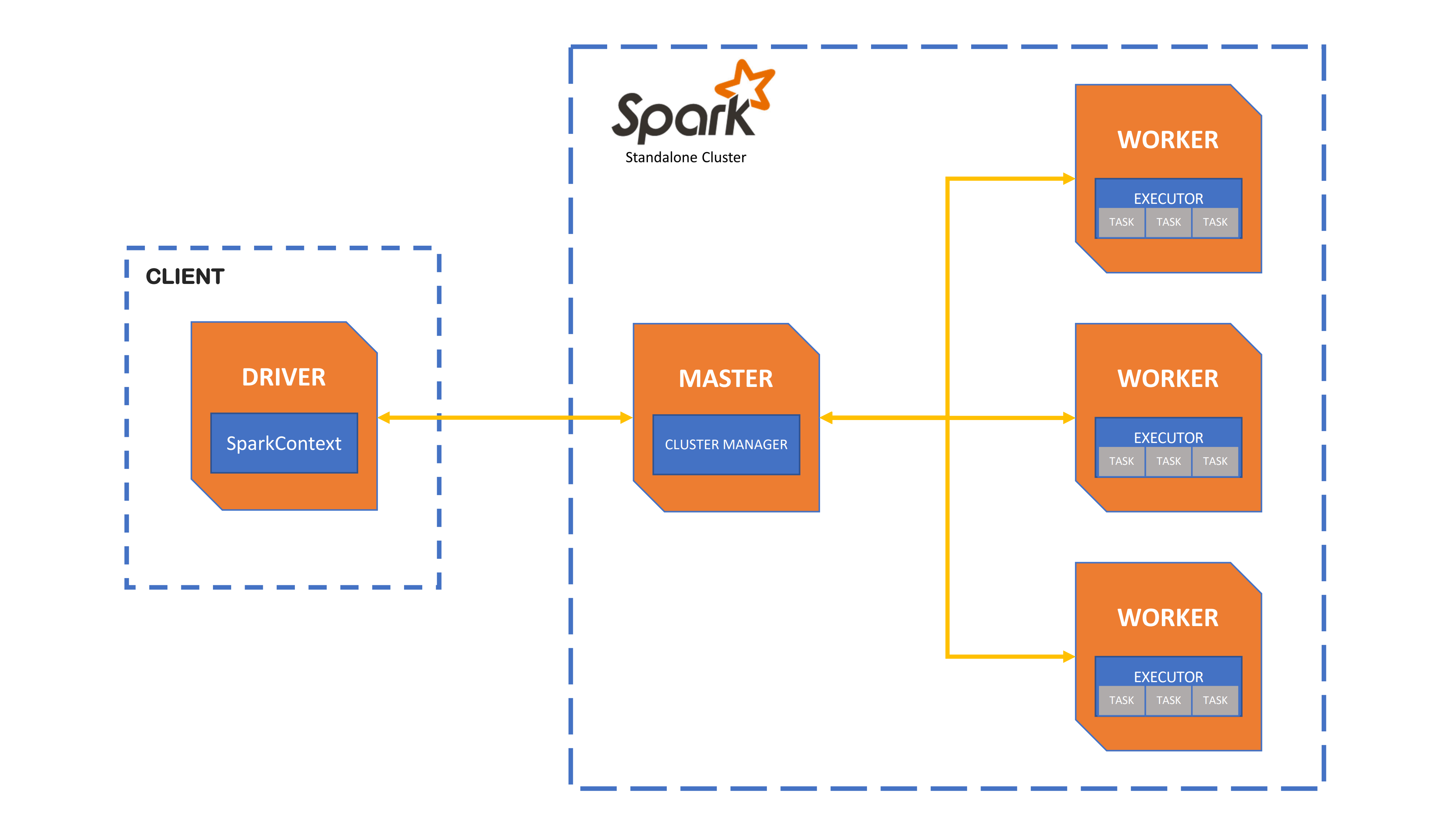
Even in local mode, Spark preserves its layered design: the driver program, a cluster manager (here the built‑in local scheduler), and executor threads that handle tasks. Understanding this layout helps you debug performance issues and plan migrations to YARN, Mesos, or Kubernetes later on.
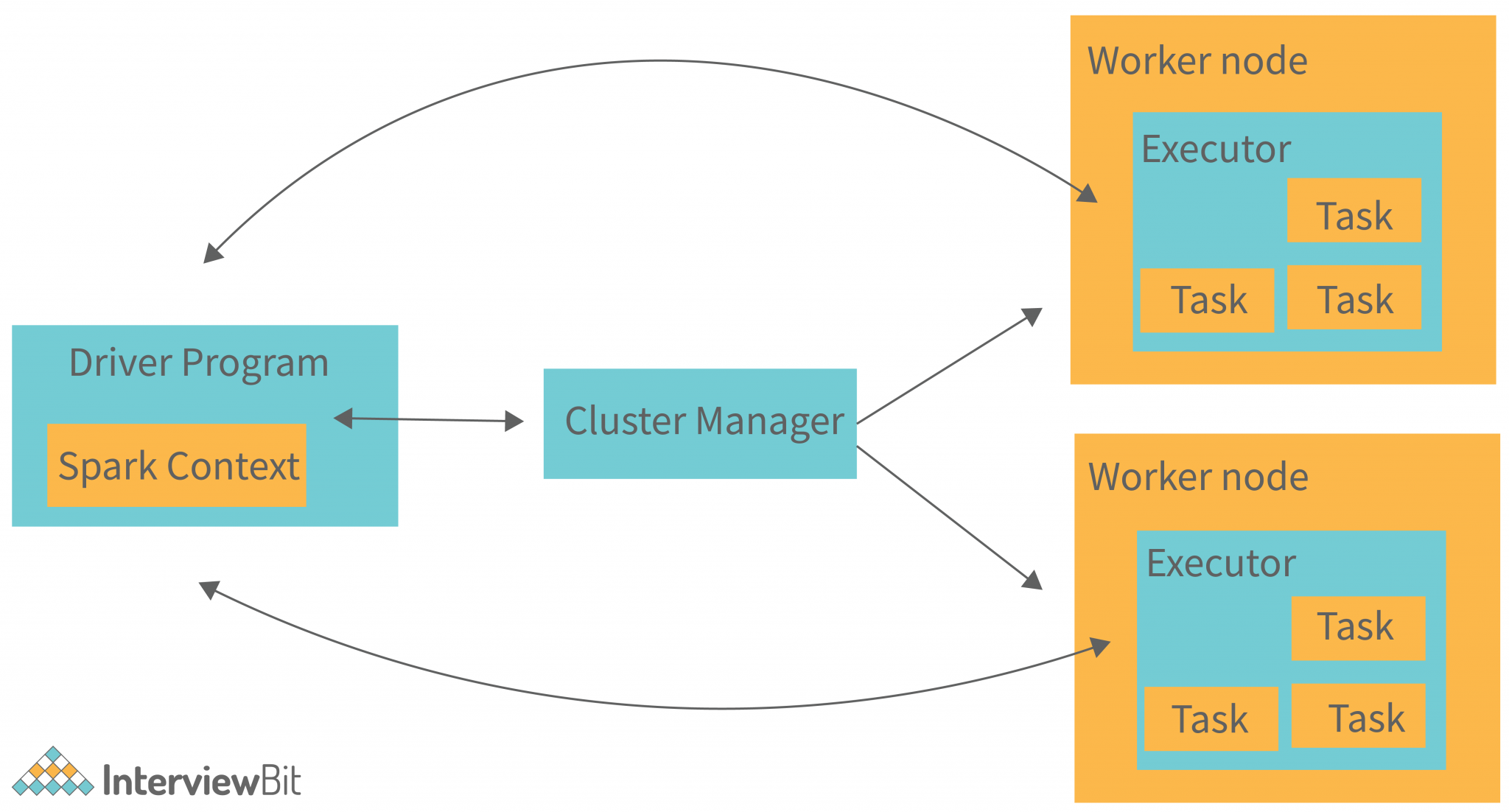
Which use cases benefit most from running Spark in Local 28?
- Learning DataFrames and SparkSQL. The parallelism lets you see query plans and catalyst optimizations in action.
- Prototype ETL pipelines. Load a CSV, apply transformations, and write Parquet—all on a single workstation.
- Benchmark small‑scale algorithms. Test machine‑learning pipelines (e.g., logistic regression) before allocating cluster resources.
- Validate Spark configurations. Experiment with memory fractions, shuffle partitions, or broadcast thresholds without affecting production workloads.
What pitfalls should newbies watch for when using Local 28?
While local mode is convenient, it can give a false sense of security. Because all executors share the same JVM, memory pressure may appear sooner than on a real cluster, leading to OutOfMemoryError if you over‑allocate cache. Additionally, network‑related bugs (e.g., driver‑executor RPC failures) won’t surface until you move to a distributed environment. Finally, the “28 cores” label is purely logical; if your hardware has fewer physical cores, the OS will time‑slice threads, and performance gains plateau.
How to get started step‑by‑step?
- Install a recent Spark release (3.x) and ensure Java 8+ is on your PATH.
- Create a simple
spark-shellsession withspark-shell --master local[28]. - Load a sample dataset:
val df = spark.read.option("header","true").csv("data/sample.csv") - Apply a transformation and cache the result:
val enriched = df.filter($"age" > 21).withColumn("isAdult", lit(true)).cache() - Trigger an action (e.g.,
count()) to materialize the cache and observe executor logs. - Experiment with
spark.conf.set("spark.sql.shuffle.partitions", "8")to see how partition count affects shuffle speed. - When satisfied, replace
local[28]with your cluster manager’s URL and rerun the same script.
What’s the next step after mastering Local 28?
Once you’ve validated logic and performance locally, consider provisioning a small Spark standalone cluster on a cloud VM (e.g., 3 nodes, 4 cores each). Keep the same codebase; Spark’s API is deliberately cluster‑agnostic, so the transition is mostly about updating the --master URL and tuning memory settings for a multi‑node environment. The experience you gained with “Decoding Local 28” will make that shift smoother and help you avoid the most common scaling surprises.
Creating Apache Spark Standalone Cluster With On Windows | By Sercan
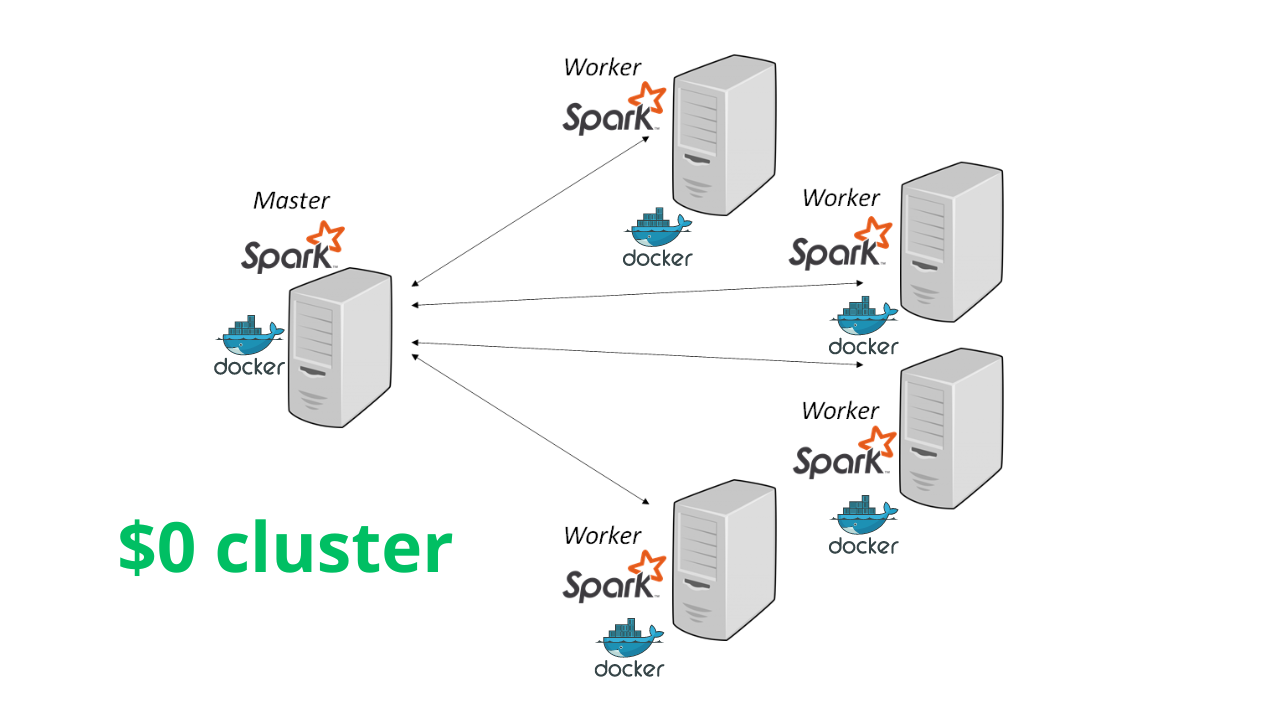
Creating Apache Spark Standalone Cluster with on Windows | by Sercan ...
Comprehensive Introduction - Apache Spark, RDDs & Dataframes (PySpark)
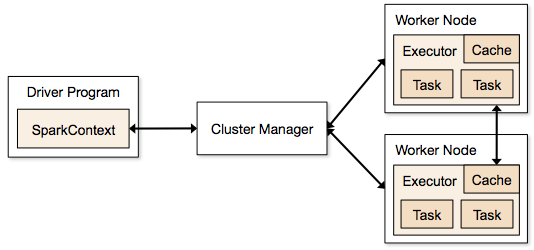
Comprehensive Introduction - Apache Spark, RDDs & Dataframes (PySpark)
Medium
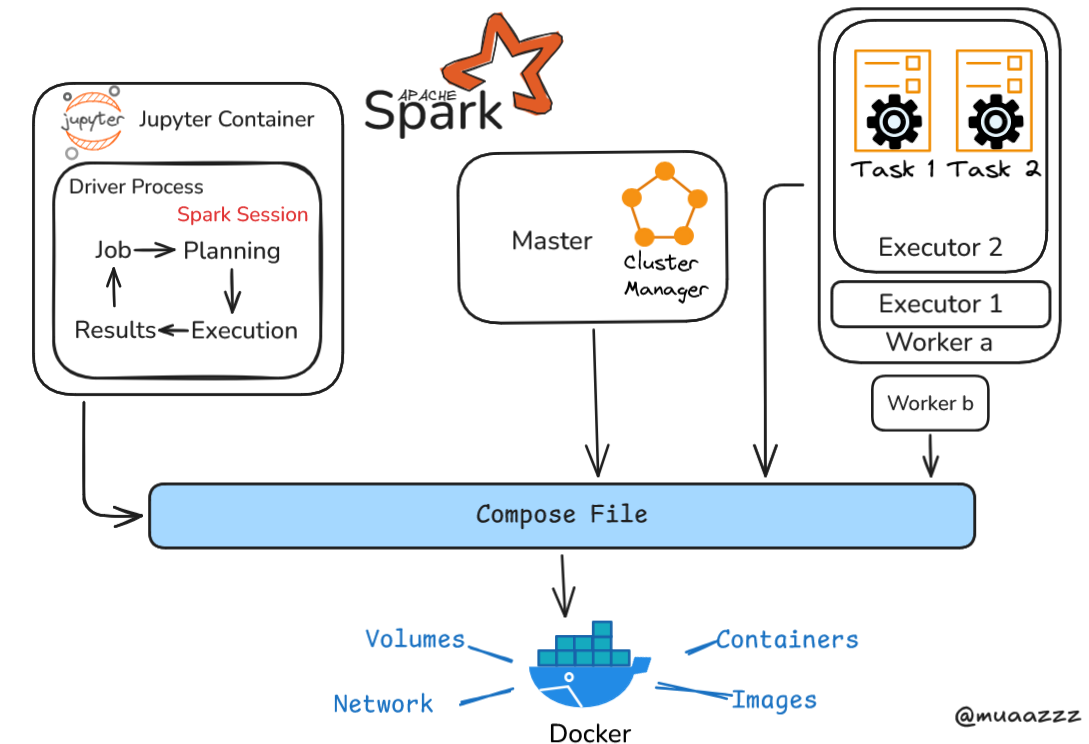
Medium
Spark Cluster — UCloud
Spark Cluster — UCloud