Parents across the United States are turning to simple visual incentives to smooth the transition from diapers to the toilet, and early data shows that well‑designed sticker charts can cut regression rates by nearly a third when compared with praise‑only approaches.
Why stickers have staying power
Stickers tap into a child’s natural love of collect‑and‑display. Each small, colorful token represents a concrete achievement that a toddler can see, touch, and add to a growing sequence. Research on early childhood motivation confirms that visual progress cues reinforce habit formation more reliably than abstract verbal praise alone.
Typical missteps that stall progress
- Overcomplicating the chart. Too many rows or categories can confuse a three‑year‑old who is still mastering basic sequencing.
- Inconsistent reward timing. Delays of more than a few minutes between a successful bathroom visit and the sticker break the cause‑effect link.
- Using stickers as punishment. Removing stickers for “mistakes” turns a positive system into a punitive one, increasing anxiety and accidents.
- Neglecting the child’s input. When kids can choose the sticker theme—animals, space rockets, or favorite characters—they’re more invested in the chart’s completion.
Designing a sticker system that works
Start with a single, clearly labeled column: “Went to the potty.” Place a small, durable board at child‑eye level near the bathroom. Choose a sticker pack that matches the child’s interests; a set of dinosaur stickers, for instance, can become the “daily reward.”
Set a realistic target—typically three successful trips per day for a toddler who is just beginning to recognize the urge. Once the target is met, award a “bonus” sticker that signals a larger milestone, such as a weekend outing.
Maintaining momentum without burnout
Rotate the sticker themes every two weeks to keep novelty fresh. Pair the chart with a brief verbal recap: “You earned three dinosaur stickers today—great job staying dry!” This reinforces the visual cue with language that builds vocabulary around toileting.
When regression occurs, revisit the chart’s simplicity. Reduce the daily goal temporarily, then gradually raise it again. Consistency from both parents is crucial; differing rules between caregivers can erode the system’s credibility.
Implications for everyday families
Sticker systems require minimal cost—most grocery stores sell bulk packs for under $5—and they integrate easily into daily routines. Because the method relies on immediate, tangible feedback, it reduces the emotional stakes often associated with potty training, making the process less stressful for both child and caregiver.
Local pediatricians report that families who adopt a structured sticker chart see fewer nighttime accidents and report higher confidence in their child’s readiness for full toilet independence.
Bottom line
When applied thoughtfully, sticker charts are more than a cute distraction; they are a low‑tech behavioral tool that transforms a potentially fraught milestone into a series of small, celebratory wins. By avoiding common pitfalls—over‑complexity, inconsistent timing, and punitive use—parents can harness the power of stickers to keep their child motivated, confident, and on track toward successful potty training.
Avoid In English: Usage, Structure & Examples
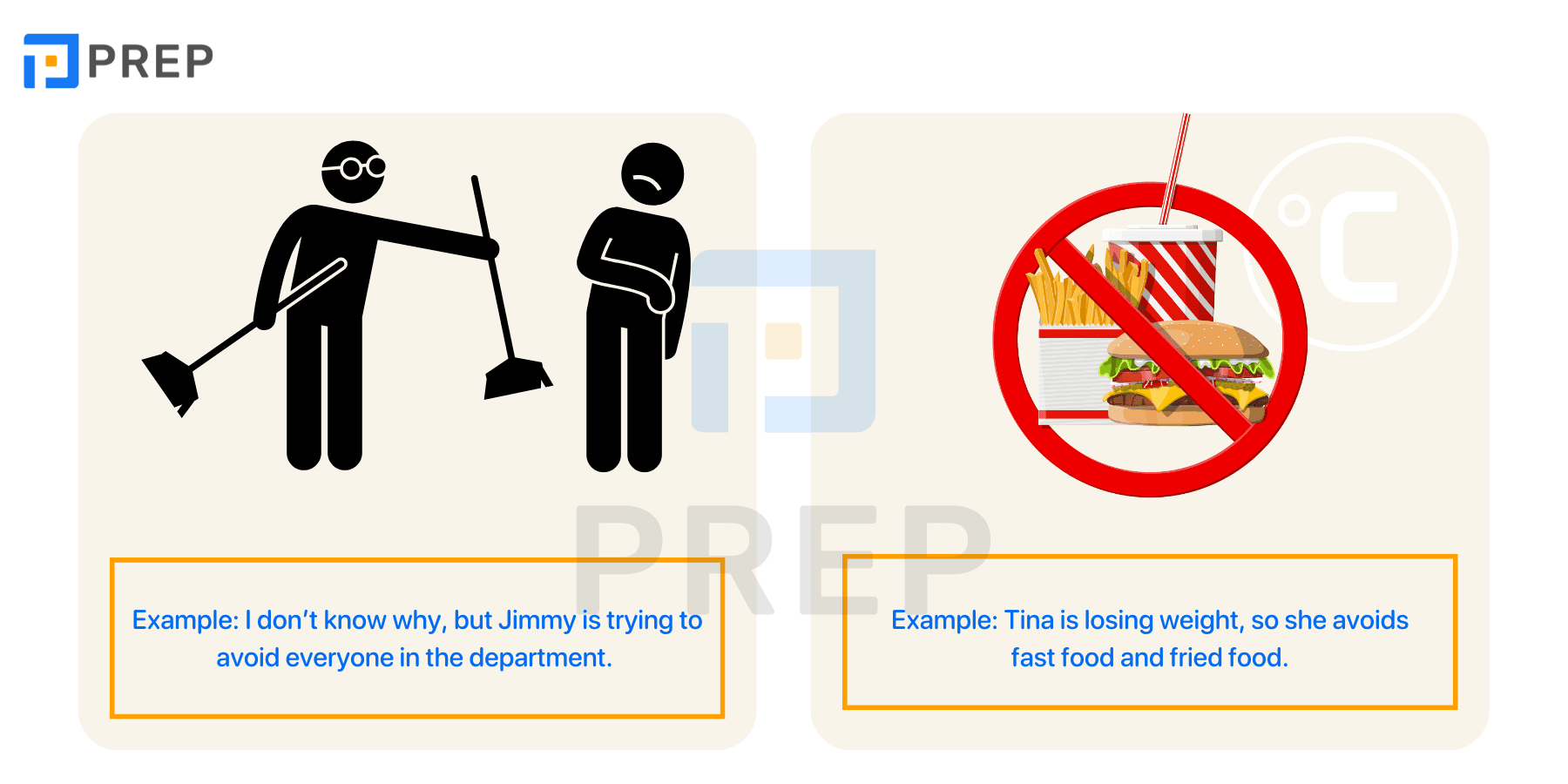
Avoid in English: Usage, Structure & Examples
Avoid Bad Habits Banner With Man Shop Stop Gesture

Avoid bad habits banner with man shop stop gesture
Avoid Verb Forms – Past Tense Of Avoid Past Participle & V1 V2 V3 V4
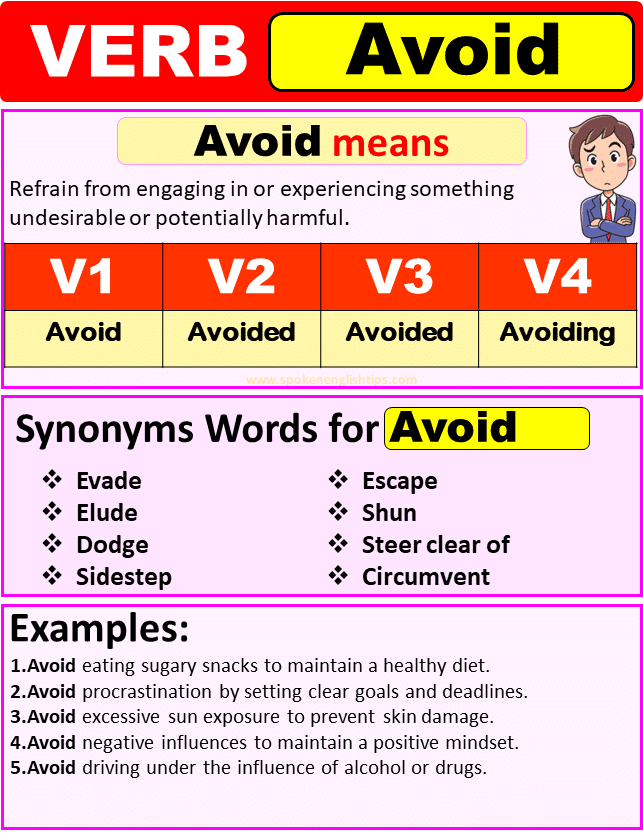
Avoid Verb Forms – Past Tense Of Avoid Past Participle & V1 V2 V3 V4
Assessment Strategies Stock Vector Images - Alamy
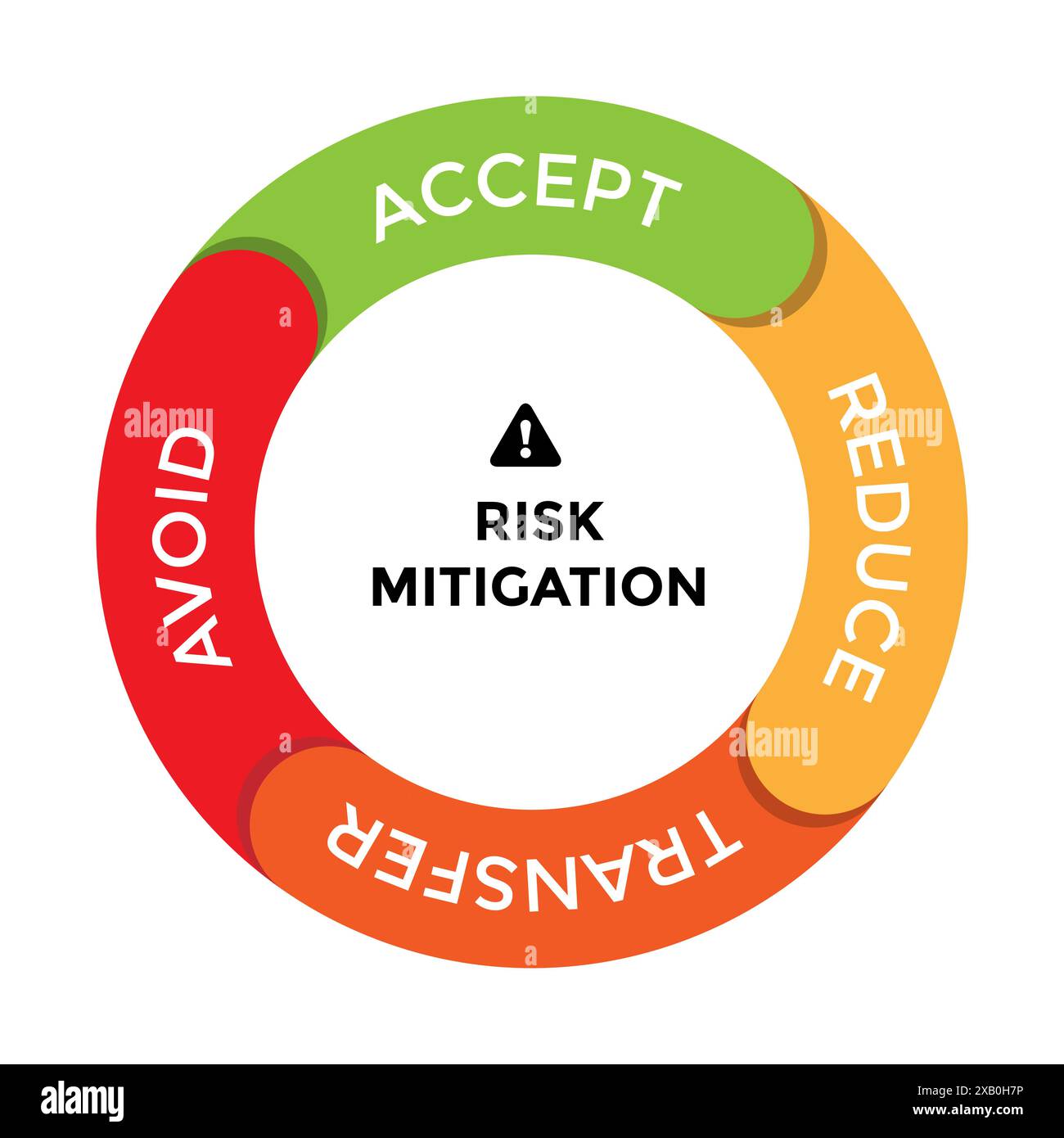
Assessment strategies Stock Vector Images - Alamy
Avoid Contact Icon Vector Flat 26606955 Vector Art At Vecteezy

Avoid contact icon vector flat 26606955 Vector Art at Vecteezy