Motion Day—an intensive training session dedicated to dynamic movement, agility, and coordinated effort—has become a cornerstone for teams seeking to sharpen reflexes and boost on‑field cohesion. By structuring a single day around purposeful motion drills, coaches can identify latent skill gaps, reinforce tactical communication, and elevate overall performance without the fatigue of a full‑season regimen.
Why a Motion‑Focused Session Pays Off
When athletes concentrate on movement patterns rather than isolated skill work, they develop muscle memory that translates into faster decision‑making during live play. Research in sports science shows that repetitive, high‑intensity motion drills improve neuromuscular efficiency by up to 12 % compared to standard conditioning. The immediate benefit is a more fluid transition between offense and defense, while the longer‑term payoff includes reduced injury risk thanks to better joint stability.
Designing a Balanced Motion Day
Effective motion programming blends three pillars: warm‑up activation, skill‑specific motion drills, and controlled scrimmage. Below is a step‑by‑step framework you can adapt to any team sport.
- Activation (10‑15 minutes) – Begin with dynamic stretches such as leg swings, torso rotations, and banded pulls to raise core temperature and awaken proprioception.
- Core Motion Drills (30‑45 minutes) – Choose exercises that mimic the sport’s primary movements. For a disc‑sport, this might include rapid change‑of‑direction sprints, pivot‑and‑throw sequences, and hand‑eye coordination circuits.
- Scenario Play (20‑30 minutes) – Integrate the drills into a simulated game situation, encouraging players to apply the motion patterns under realistic pressure.
- Cool‑Down Review (10 minutes) – Conduct a brief video debrief or verbal recap, highlighting successful motions and pinpointing areas that need refinement.
Each segment should be timed to prevent excessive fatigue, which can obscure the very movement insights you aim to capture.
Cautions: Common Motion Day Missteps
Even well‑intentioned programs can backfire if certain pitfalls are ignored.
- Overloading intensity – Pushing drills beyond the athletes’ current capacity can lead to form breakdown, increasing the likelihood of strains.
- Neglecting individual variance – A one‑size‑fits‑all drill set may marginalize less experienced players, causing disengagement.
- Skipping data capture – Without video or sensor feedback, coaches miss the chance to objectively assess motion quality.
Mitigate these risks by scaling drill difficulty, rotating players through leadership roles, and recording key moments for post‑session analysis.
Real‑World Example: Motion Day in Ultimate Frisbee
Ultimate Frisbee offers a vivid illustration of motion concepts in action. The sport demands rapid sprints, sudden stops, and precise disc throws—all under constantly shifting defensive pressure.

In a typical motion day for an elite ultimate team, players might repeat a “cut‑and‑catch” drill where a handler sprints 10 meters, executes a sharp 45° cut, and releases a high‑velocity throw to a teammate positioned at a 20‑meter distance. The drill emphasizes three motion concepts simultaneously: acceleration, angular momentum control, and spatial awareness.
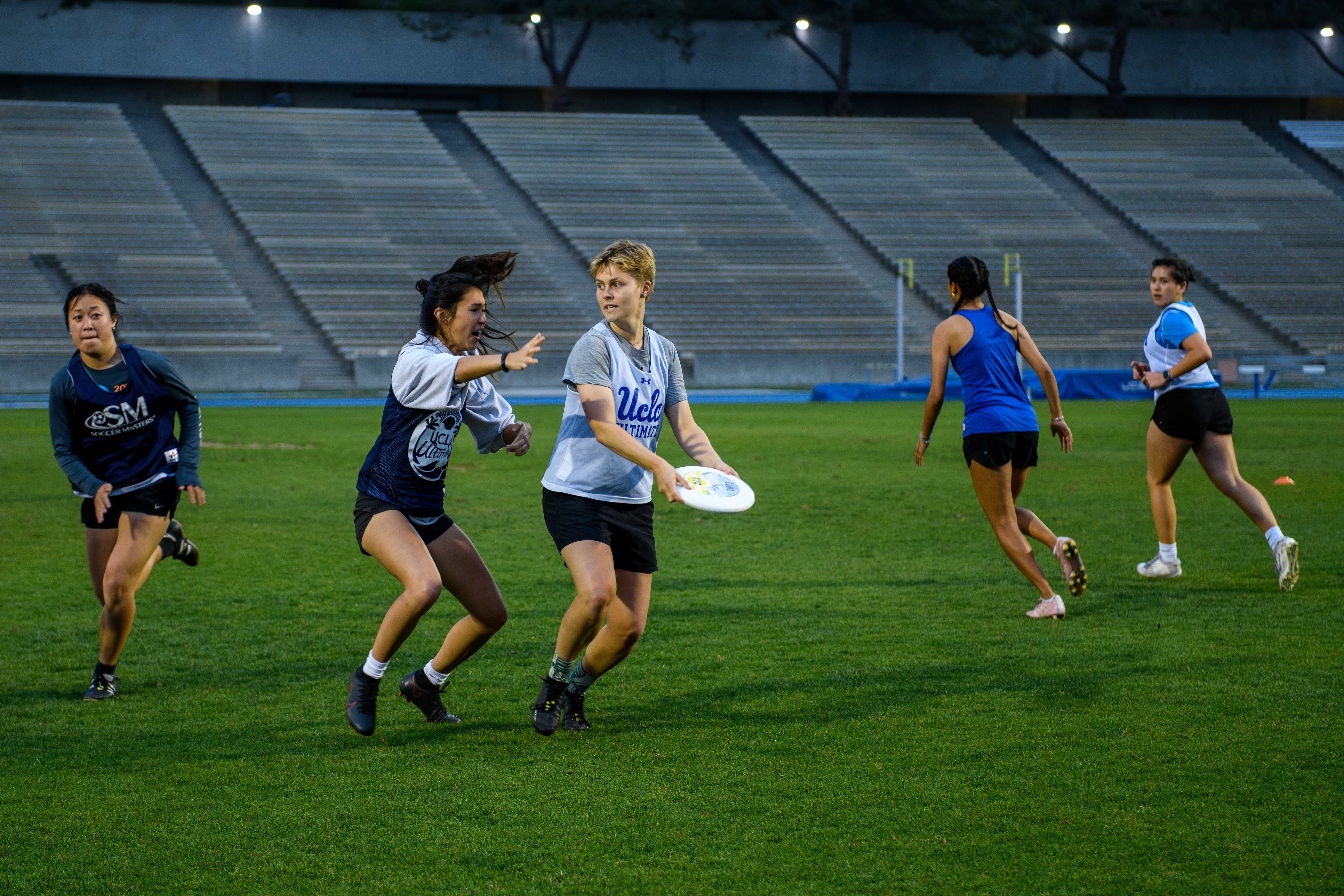
After the drill phase, coaches often stage a short scrimmage that mirrors tournament conditions. By reviewing footage from the session, they can isolate moments where a player’s footwork broke down or a throw lost its intended arc, then feed that insight back into the next motion cycle. The iterative loop—drill, play, review—accelerates skill acquisition far more efficiently than isolated practice.
Putting Motion Day to Work in Your Organization
Whether you coach a youth soccer club, manage a corporate wellness program, or lead a collegiate ultimate squad, the principles remain the same: allocate a dedicated day to purposeful motion, track performance, and iterate based on concrete observations. Start small—perhaps a 60‑minute session focusing on one core movement pattern—and expand as athletes demonstrate readiness.
By treating motion not as a peripheral warm‑up but as the central curriculum, you unlock a pathway to faster, safer, and more enjoyable competition. The ultimate payoff is simple: teams that move well, think well, and win well.
Different Types Of Passes In Ultimate Frisbee | Iodisc
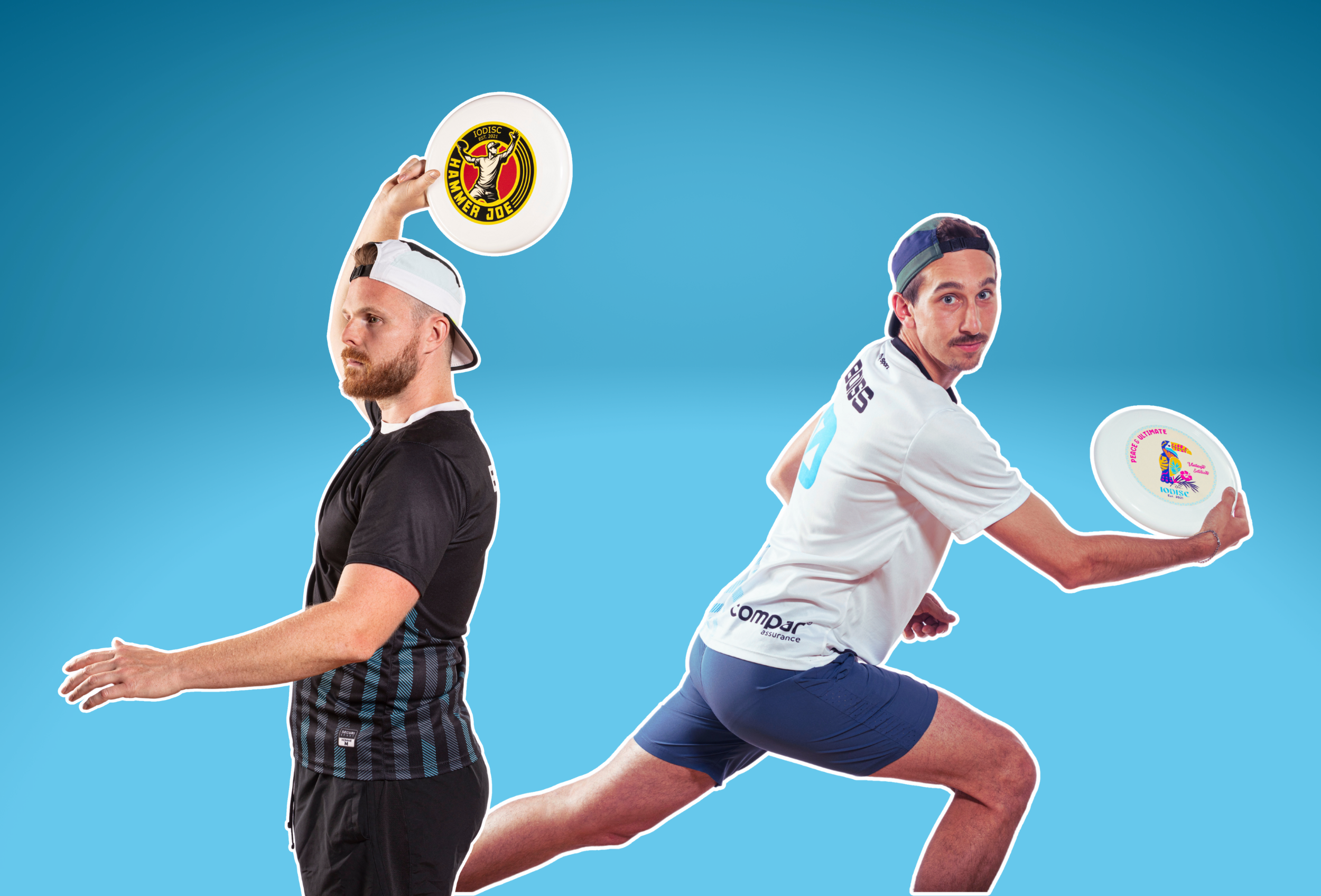
Different Types of Passes in Ultimate Frisbee | Iodisc
Ultimate Frisbee 101: A Beginners Guide To Ultimate - Elevate Ultimate
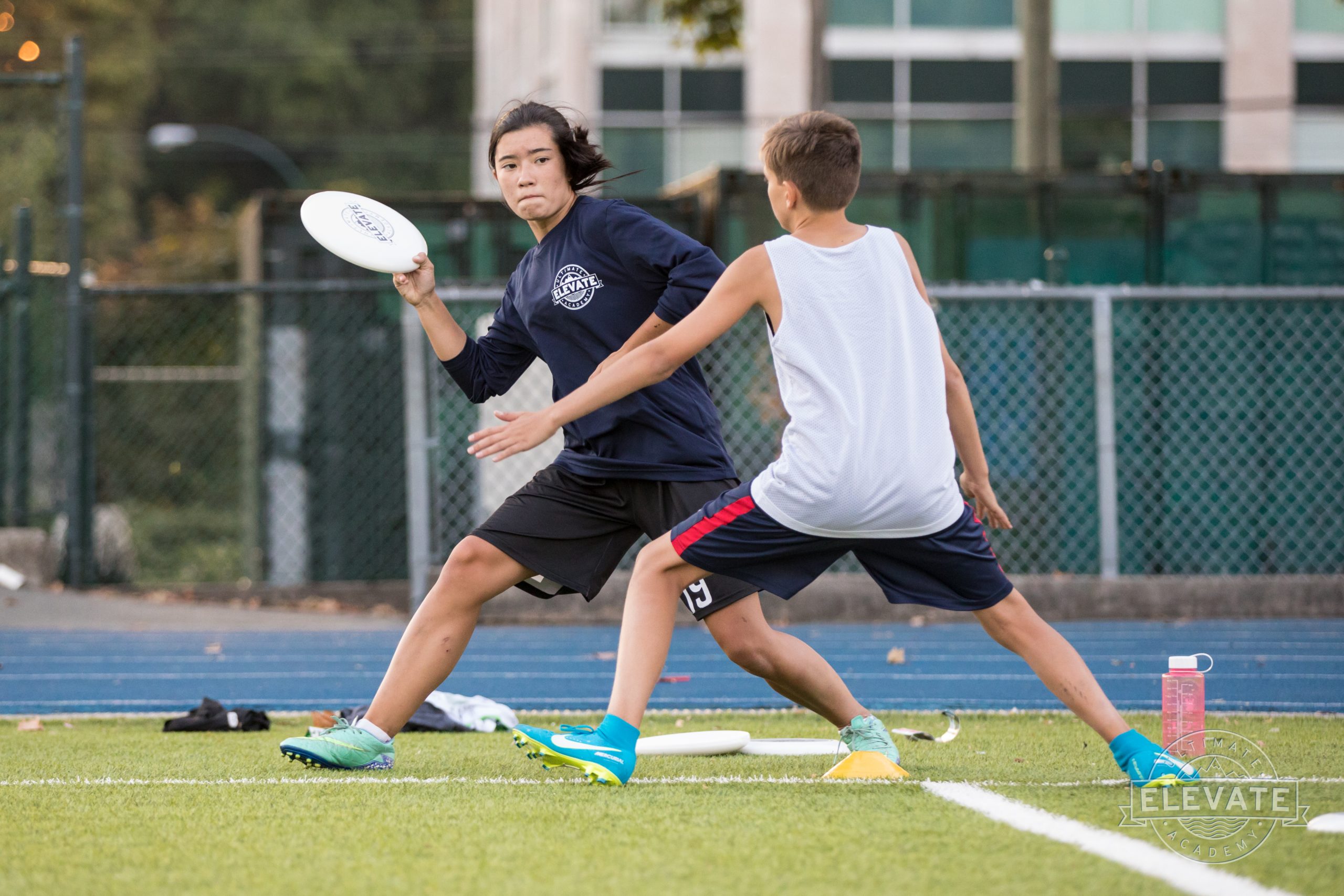
Ultimate Frisbee 101: A Beginners Guide to Ultimate - Elevate Ultimate
Ultimate Frisbee 101: A Beginners Guide To Ultimate - Elevate Ultimate

Ultimate Frisbee 101: A Beginners Guide to Ultimate - Elevate Ultimate
Technique Frisbee Ultimate | Techniques De Lancer En Frisbee – YXCE
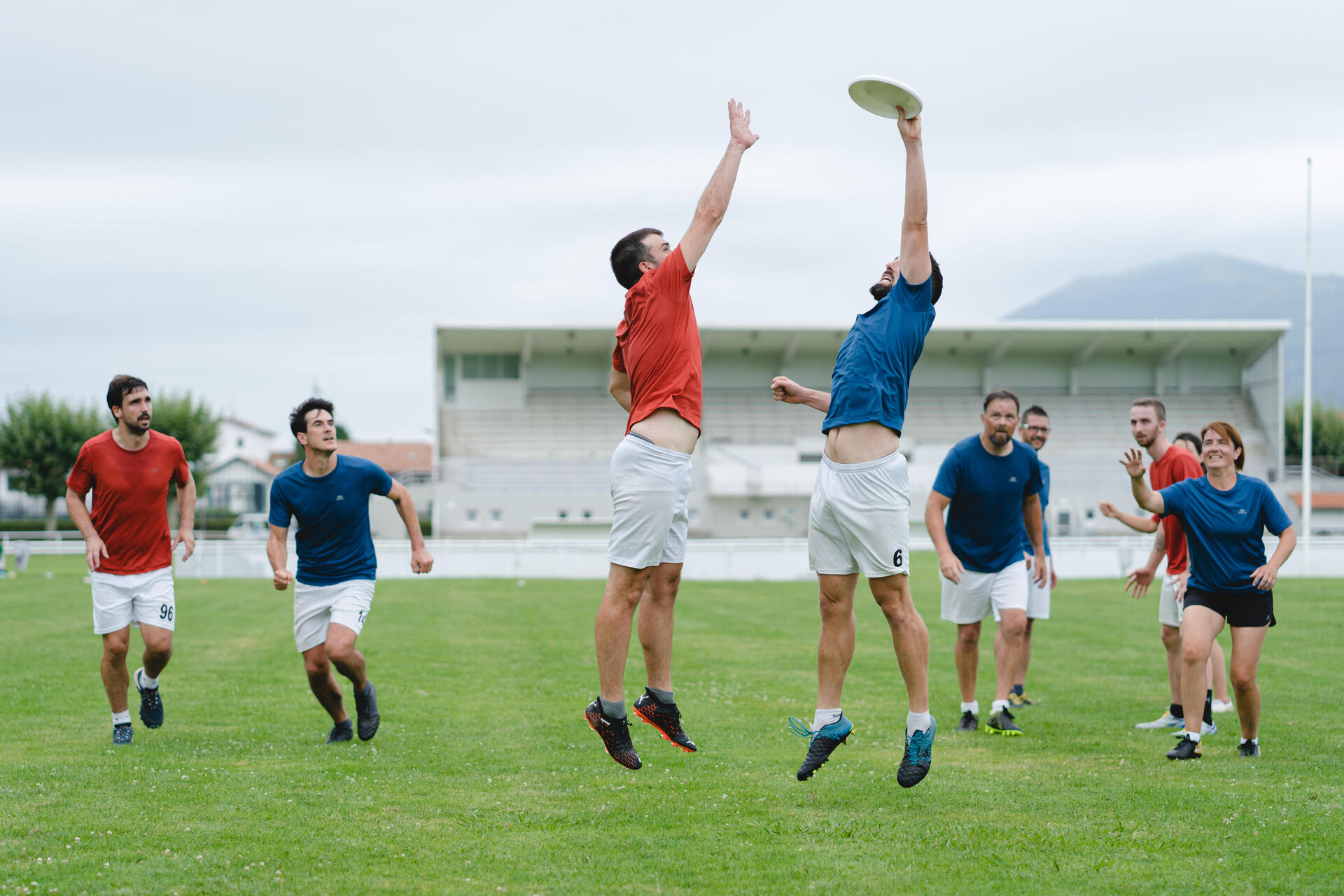
Technique Frisbee Ultimate | Techniques De Lancer En Frisbee – YXCE