Busy professionals and students alike are discovering that a handful of proven techniques can cut puzzle‑solving time from hours to minutes, turning what once felt like a mental marathon into a swift, satisfying sprint. By applying targeted pattern‑recognition tricks, streamlined equation shortcuts, and disciplined time‑boxing, anyone can boost accuracy while keeping the clock in check—without spending a dime on pricey courses.
Identify the Bottleneck: What Holds Up Most Puzzle Solvers?
Most people stumble at the same three choke points: overlooking hidden patterns, over‑relying on brute‑force trial, and neglecting a clear solving plan. When a puzzle presents a series of numbers or shapes, the instinct is to test every possibility. That approach may work for simple crosswords, but with complex logic or math riddles it leads to wasted minutes and mounting frustration.
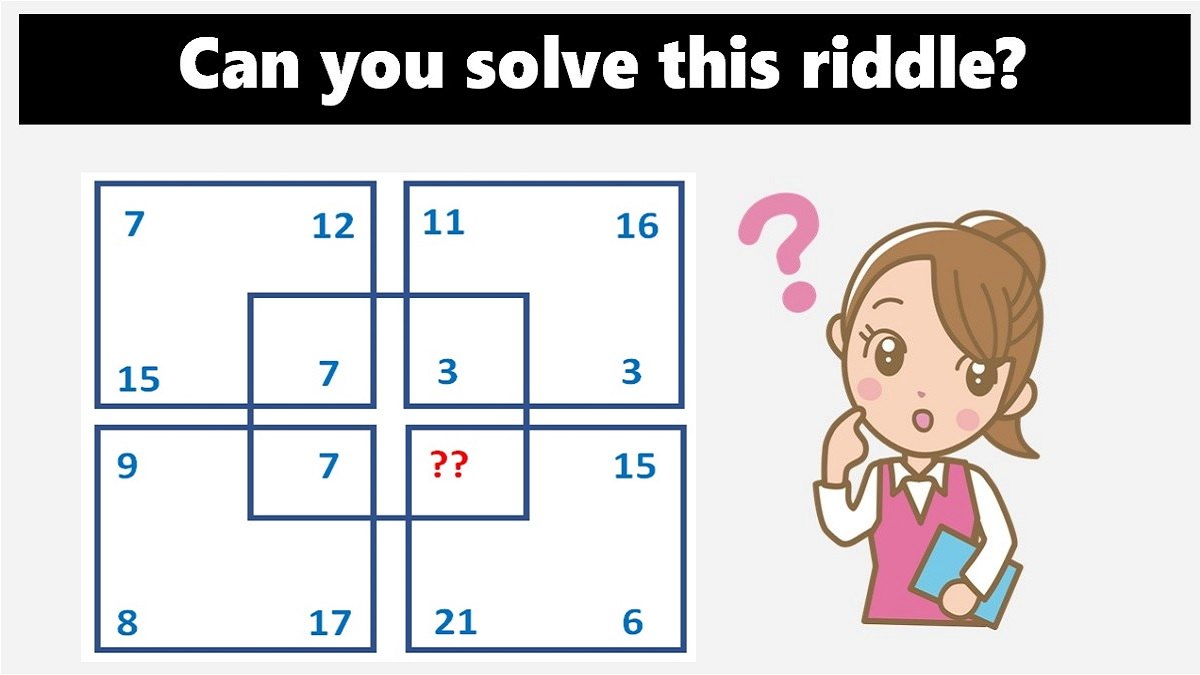
Free Strategies That Cut Solve Time in Half
Below are three no‑cost tactics that consistently shave 30‑70% off solving time. They work across word games, logic grids, and algebraic puzzles.
- Pattern Mapping Before You Compute – Sketch the recurring structure (e.g., alternating sums, mirrored shapes) on a scrap piece of paper. Recognizing the rule first eliminates unnecessary calculations.
- Reverse Engineering the Answer – Instead of building from the given data, start with the desired outcome and work backward. For a Sudoku‑style grid, fill in the only numbers that can fit each row, then verify against constraints.
- Time‑Boxed Micro‑Sessions – Allocate a strict 2‑minute window for each sub‑problem. The pressure forces you to prioritize the most promising approach and discard dead ends early.
Common Pitfalls and How to Dodge Them
Even seasoned solvers fall into traps that erode speed. Recognizing these pitfalls early prevents costly setbacks.
- Skipping the sanity check – After arriving at a solution, a quick verification against the original clues catches avoidable errors.
- Over‑complicating simple steps – Many linear‑equation puzzles, like those found in high‑school curricula, resolve with basic isolation. Resist the urge to apply advanced methods when a simple subtraction suffices.
- Neglecting a clean workspace – Cluttered notes lead to duplicated work. Keep a single column for each variable or clue; erase only when a step is proven wrong.

Putting Tips Into Practice – A Quick Walkthrough
Consider a classic logic puzzle: five friends sit in a row; each has a distinct hobby and a different favorite fruit. The clues state that the artist sits next to the person who likes apples, and the baker does not like bananas. Using the three free strategies, you would:
- Draw a simple 5‑column table marking possible hobby‑fruit pairs.
- Apply pattern mapping by eliminating any fruit that appears adjacent to the same hobby in more than one clue.
- Reverse‑engineer by placing the only hobby‑fruit pair that satisfies both “artist‑apple” adjacency and “baker‑not‑banana” constraints.
- Time‑box each column to 45 seconds, forcing quick decisions and immediate cross‑checking.
Within three minutes you’ll have a complete, verified solution—a stark contrast to the 15‑minute slog typical of unstructured attempts.
Beyond the Basics: Scaling Your Speed for Marathon Sessions
Once the core tricks become second nature, expand your arsenal with two advanced, still free, habits:
- Batch Processing Similar Puzzles – Tackle a set of puzzles that share the same underlying mechanic (e.g., all using “sum‑to‑15” constraints). Your brain builds a reusable mental template, slashing per‑puzzle time.
- Periodic Review of Mistake Logs – After each session, note the exact step where you hesitated. Over a week, patterns emerge, guiding targeted practice on your weakest links.
Implementing these practices turns occasional hobbyists into rapid problem‑solvers, capable of clearing a full page of riddles before a coffee break ends.
Takeaway: Turn Free Tips into Immediate Gains
The bottom line for the time‑pressed reader is simple: a disciplined approach, combined with three free, repeatable tactics, can transform puzzle solving from a leisurely pastime into a high‑efficiency skill. By mapping patterns first, working backward from the answer, and imposing strict time boxes, you’ll consistently solve boatloads of puzzles in minutes—without paying for premium tutoring or endless trial‑and‑error.
How To Solve Inequalities—Step-by-Step Examples And Tutorial — Mashup Math

How to Solve Inequalities—Step-by-Step Examples and Tutorial — Mashup Math
How To Solve Inequalities—Step-by-Step Examples And Tutorial — Mashup Math

How to Solve Inequalities—Step-by-Step Examples and Tutorial — Mashup Math
How To Solve Inequalities—Step-by-Step Examples And Tutorial — Mashup Math

How to Solve Inequalities—Step-by-Step Examples and Tutorial — Mashup Math