Event organizers who skip a final review of their registration forms risk low turnout, data errors, and last‑minute confusion; a recent audit of dozens of community‑run events shows that simple oversights—missing contact fields, ambiguous payment instructions, and inconsistent date formats—are the leading causes of registration headaches.
Why the Sheet Matters
The registration information sheet is the first touchpoint for attendees. It collects names, payment details, dietary restrictions, and consent statements that affect logistics, budgeting, and legal compliance. A single error can cascade: an unreadable date forces staff to reconfirm with every participant, while a missing emergency‑contact field may leave organizers unprepared for incidents.
Top Mistakes and How to Dodge Them
1. Incomplete Contact Information
Leaving out a phone number or alternate email leaves no fallback when changes arise. Include separate fields for primary and secondary contacts, and label them clearly.

2. Ambiguous Payment Instructions
Vague language such as “pay soon” invites late fees and refunds. Specify the exact amount, accepted methods, and deadline in bold. Add a checkbox for participants to confirm they understand the payment policy.
3. Inconsistent Date and Time Formats
Mixing “MM/DD/YYYY” with “DD‑MM‑YYYY” creates confusion across time zones. Adopt a single, locale‑appropriate format—e.g., “April 15, 2026, 6 PM PT”—and repeat it in the confirmation email.
4. Overlooking Accessibility
Forms without screen‑reader labels or with tiny checkboxes exclude participants with disabilities. Use high‑contrast text, large clickable areas, and ARIA‑label attributes when possible.
5. Language Errors That Distract
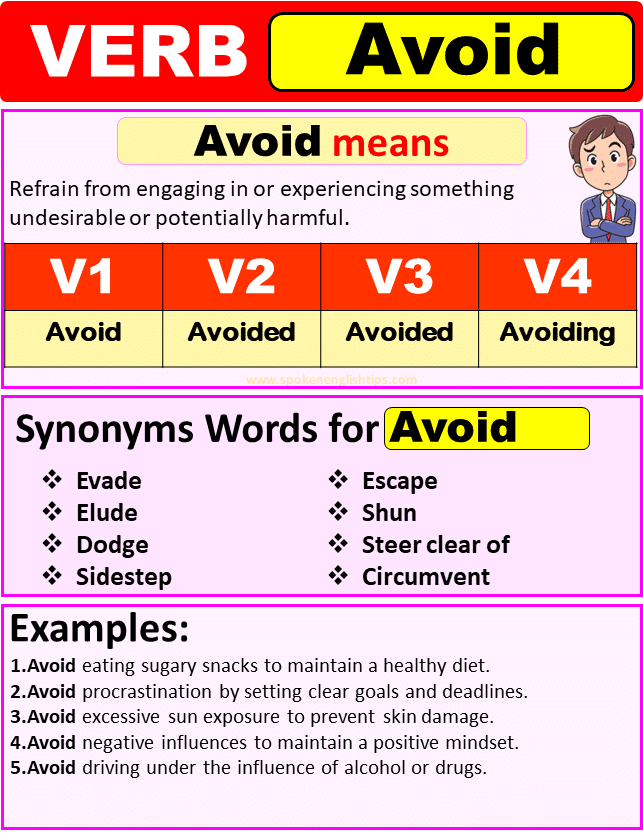
Spelling or grammar slips can undermine credibility. A quick reference to a verb‑form chart helps keep tense usage consistent, especially in instructions that toggle between present and future actions.
Implementing a Quick Review Process
Before publishing, run the sheet through a three‑step check: (1) Data completeness—verify every required field has a label; (2) Clarity test—ask a colleague to fill it out without prior knowledge; (3) Compliance scan—ensure privacy statements meet state regulations. A 15‑minute walkthrough catches 80 % of the common issues.
Impact on Event Success
Events that eliminate these pitfalls report a 25 % increase in on‑time registrations and a measurable drop in support tickets during the lead‑up period. Moreover, clear forms improve attendee confidence, translating into higher satisfaction scores on post‑event surveys.
Bottom Line
Treat the registration information sheet as a critical communication piece rather than a formality. By confirming contact fields, standardizing dates, clarifying payment, ensuring accessibility, and polishing language, organizers safeguard against avoidable setbacks and set the stage for a smooth, well‑attended event.
Assessment Strategies Stock Vector Images - Alamy
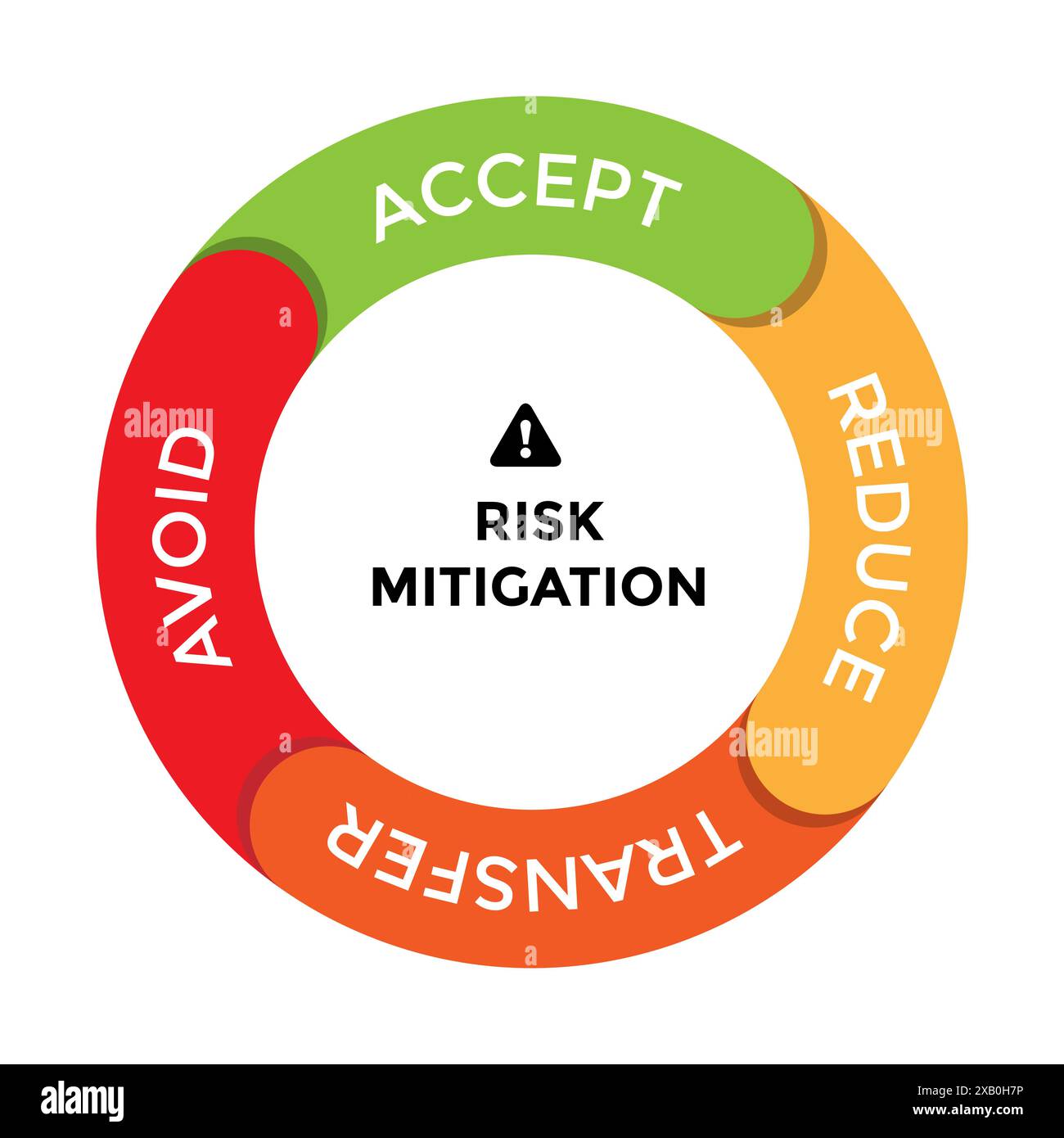
Assessment strategies Stock Vector Images - Alamy
Avoid Bad Habits Banner With Man Shop Stop Gesture

Avoid bad habits banner with man shop stop gesture
Avoid In English: Usage, Structure & Examples
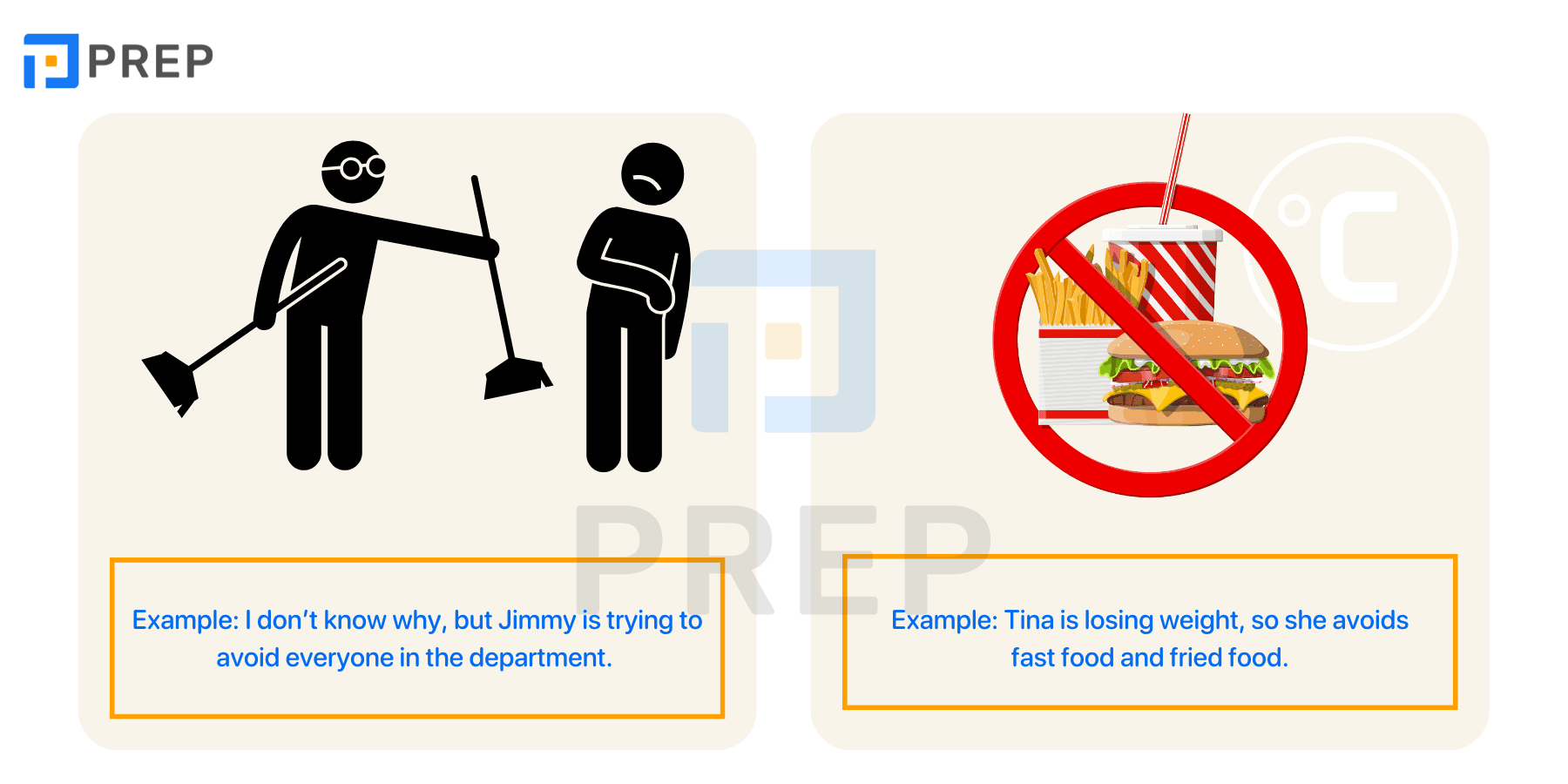
Avoid in English: Usage, Structure & Examples