The Green Bay Packers’ depth chart isn’t just a list of names; it’s a living blueprint that balances talent, scheme fit, and injury risk. From the first day of training camp to mid‑season roster moves, the organization follows a methodical playbook that fans can actually understand, even if they’re new to the NFL’s inner workings.
Training Camp: The First Cut
Every summer, the Packers converge on Lambeau Field with 90-plus players, a coaching staff hungry for answers, and a clear agenda: trim the roster to the 53‑man limit while preserving positional depth. Coaches compare rookie performances against veterans, weighing raw upside against proven reliability. This early comparison sets the tone for the season‑long depth‑chart hierarchy.

For a beginner, think of it like a school talent show: the headliner gets the prime slot, but the understudies must be ready to step in at a moment’s notice. The Packers’ “secret sauce” here is a data‑driven evaluation board that scores players on route‑running, blocking, and situational awareness, then translates those scores into weekly practice reps.
In‑Season Adjustments: Injuries, PUP List, and Activations
Once the regular season begins, the depth chart becomes a dynamic puzzle. Injuries are inevitable; the physically unable to perform (PUP) list offers a strategic pause. When a player clears the PUP, the Packers often reshuffle the chart to reflect the newcomer’s skill set and the team’s immediate needs.

Activating tight end Tucker Kraft, for instance, didn’t just add a name—it altered the blocking schemes and red‑zone options for the offense. Coaches weigh the pros (fresh legs, new route concepts) against the trade‑offs (relearning chemistry, limited game film) before officially moving him up the ladder.
Trade‑Offs: Flexibility vs. Stability
Depth‑chart decisions often boil down to two competing goals. Flexibility lets the Packers rotate players to exploit matchups, but too much shuffling can erode continuity. Veteran starters provide stability, yet may limit the development of high‑upside backups.
- Pros of Flexibility: Allows quick adaptation to opponent defenses; gives younger players real‑game experience.
- Cons of Flexibility: Can confuse timing on routes and protection calls; may hinder a rookie’s confidence if they’re constantly moved.
- Pros of Stability: Builds trust among unit members; preserves the rhythm of play‑calling.
- Cons of Stability: Risks being out‑gunned by a more adaptable opponent; may hide talent that’s ready to contribute.
What Fans Can Realistically Expect
Understanding the depth‑chart process helps set sensible expectations. When a starter is sidelined, the next man up isn’t a random lottery pick; he’s a player who earned his spot through measurable drills, film study, and situational practice. The Packers’ systematic approach means that even surprise starters have been vetted, even if they haven’t yet earned a headline.
For casual observers, the takeaway is simple: the depth chart is a living document that reflects the team’s balance of immediate performance and long‑term growth. Expect occasional surprises, but know they’re the result of a deliberate, data‑backed evaluation rather than a whim.
Packers' $110 Million Gamble Tipped For Long-Awaited Breakout
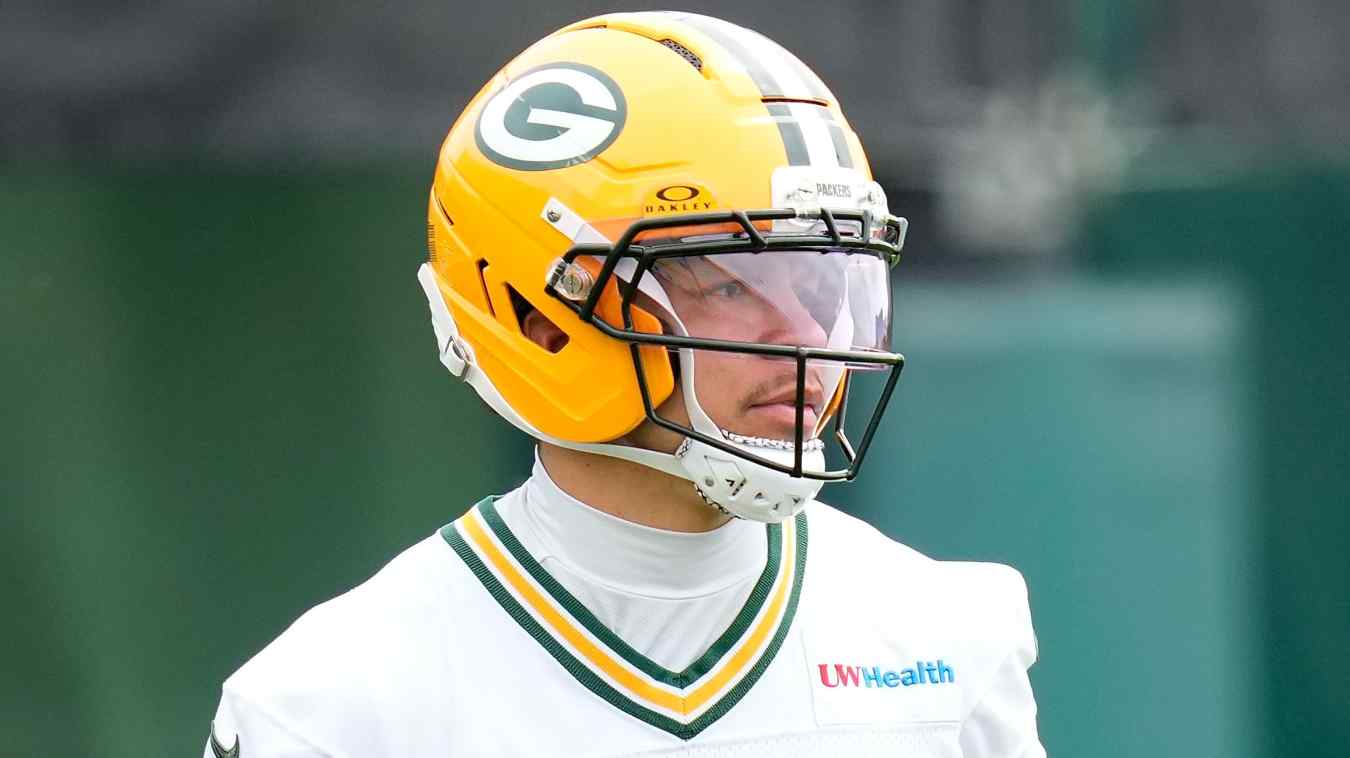
Packers' $110 Million Gamble Tipped for Long-Awaited Breakout
Packers, American Family Insurance Celebrate Return Of DreamDrive

Packers, American Family Insurance celebrate return of DreamDrive
Packers Make 4 Roster Moves, Including International Player Swap

Packers make 4 roster moves, including international player swap ...