Square colouring, a structured form of color‑by‑numbers that confines pigment to a grid of equal‑sized squares, is gaining traction as a low‑tech stress‑reduction tool. Researchers note that the predictable geometry of squares combined with intentional hue selection can lower cortisol levels within minutes, offering a portable alternative to meditation or digital distraction. The method’s appeal lies in its balance of creative freedom and measurable progress, making it especially useful for detail‑oriented individuals seeking tangible evidence of relaxation.
Why the Square Grid Enhances Calm
The uniformity of a square grid reduces decision fatigue. When each cell is pre‑assigned a color, the brain shifts from open‑ended creativity to focused execution, a process that activates the parasympathetic nervous system. This transition mirrors the calming rhythm of repetitive tasks such as knitting or walking, but with the added benefit of visual stimulation.
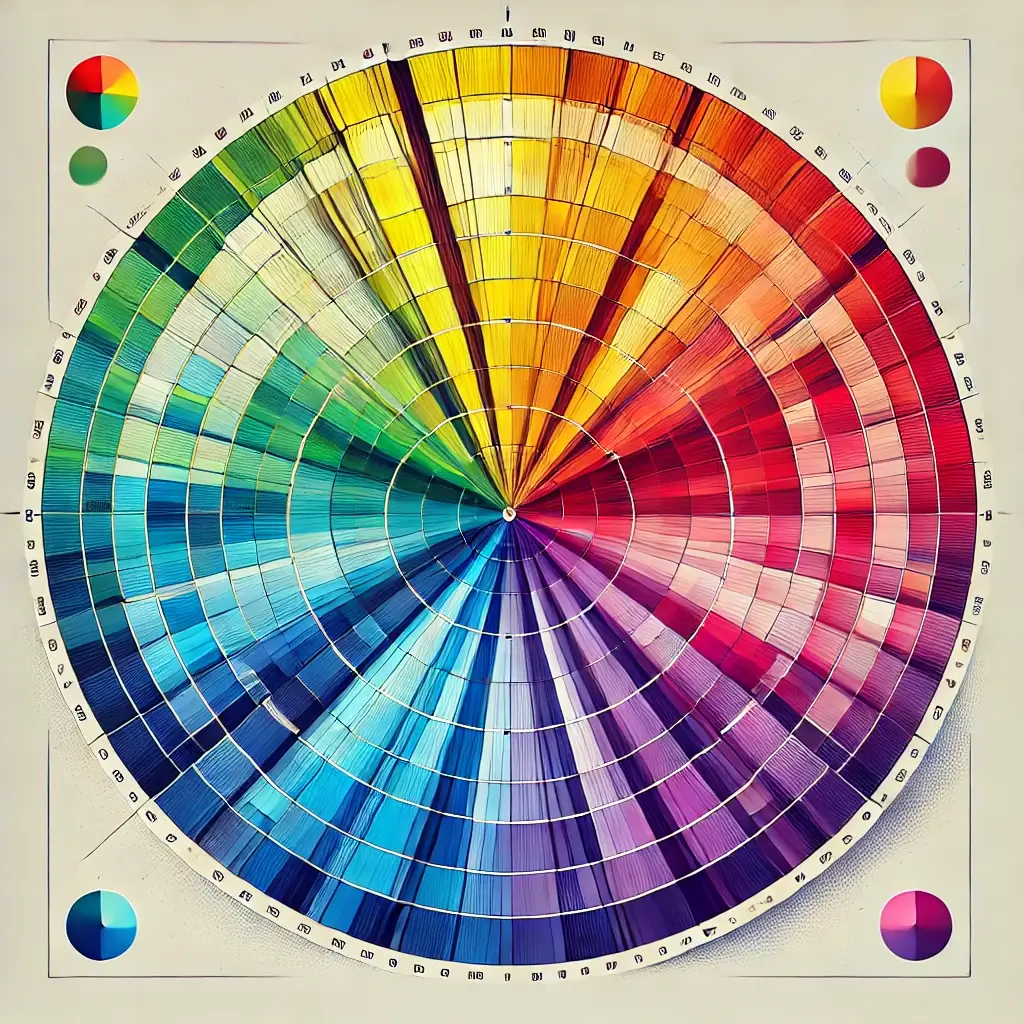
Color Theory Meets Geometry
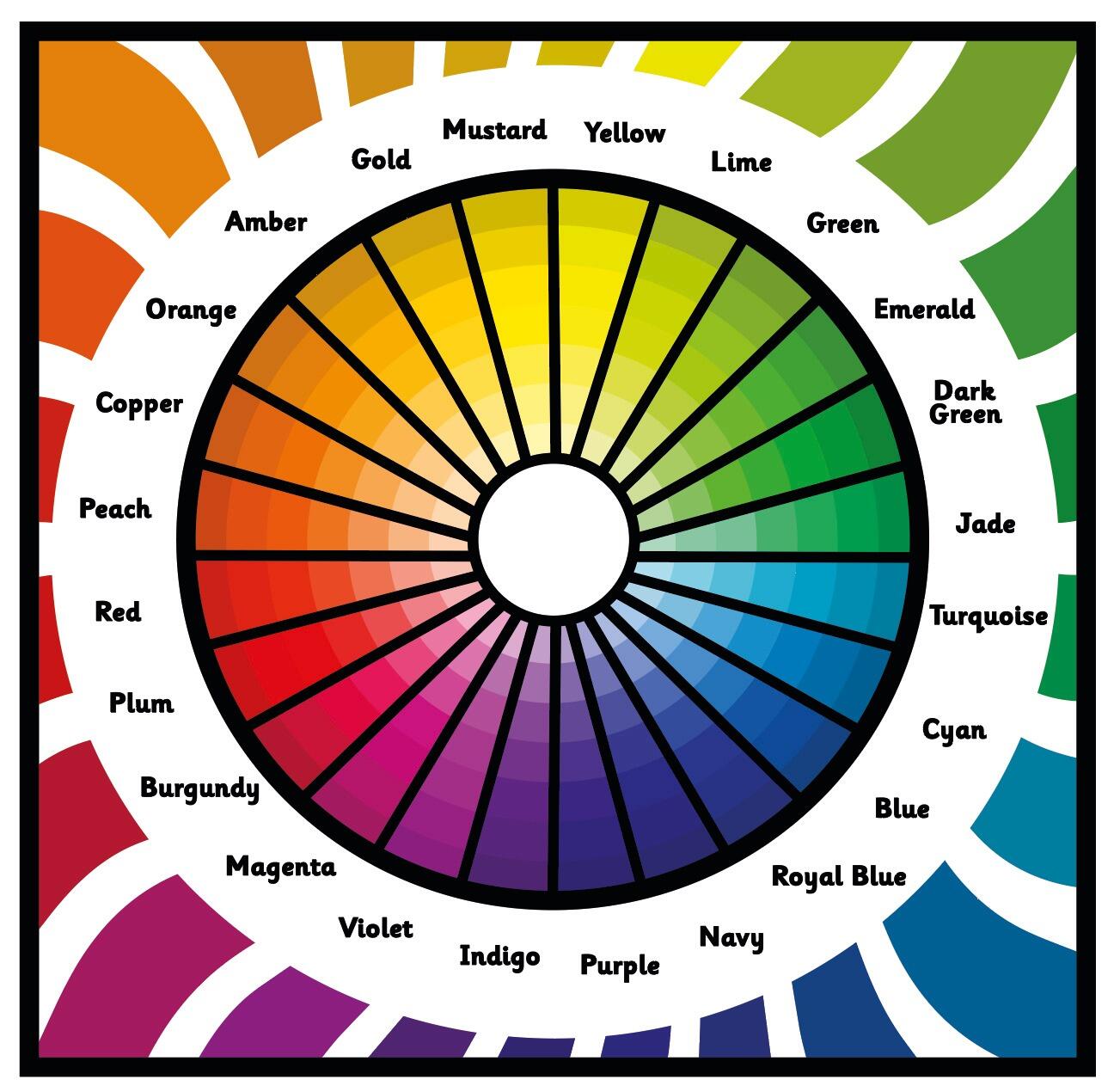
- Complementary pairs (e.g., blue‑orange) placed in adjacent squares create visual tension that resolves quickly, giving the mind a sense of closure.
- Analogous clusters (e.g., green‑yellow‑lime) produce a soothing gradient, ideal for sessions aimed at deep relaxation.
- Triadic schemes spread across the grid maintain vibrancy without overwhelming the viewer, useful for maintaining alertness while de‑stressing.
Step‑by‑Step Square Colouring Protocol
- Choose a palette. Base your selection on the desired emotional outcome—cool blues for anxiety reduction, warm reds for energy boost.
- Map colors to the grid. Use a simple spreadsheet or a printed template that assigns each hue to a set of squares.
- Set a timer. Work in 10‑minute intervals; research shows that short, repeated sessions are more effective than a single long one.
- Document progress. Photograph each completed segment. Visual evidence of advancement reinforces the stress‑relief feedback loop.
- Reflect. After finishing, note any changes in heart rate, breathing, or mood to calibrate future sessions.
Real‑World Applications for Researchers and Professionals
Laboratories have begun offering square‑colouring stations in break rooms, reporting a 12 % reduction in self‑rated stress among participants after a month of twice‑daily use. In corporate settings, teams employ the technique during short “colour breaks” to reset focus before complex problem‑solving tasks.
For academics, the method can double as a data‑collection tool: by varying hue combinations across cohorts, researchers can quantify the impact of specific color pairings on physiological markers such as heart‑rate variability.
Materials and Cost Considerations
Effective square colouring requires only basic supplies: a set of acrylic or watercolor pencils, a printed grid, and a flat surface. Bulk packs of 24‑color pencils cost roughly $8–$12 in the United States, making the practice accessible for individual or institutional budgets.
Future Directions and Research Gaps
While anecdotal evidence supports square colouring’s calming effect, longitudinal studies are scarce. Potential research avenues include:
- Comparative trials between square colouring and free‑form doodling on cortisol reduction.
- Neuroimaging studies to map brain activity patterns during grid‑based coloring.
- Cross‑cultural investigations of color symbolism and its influence on stress outcomes.
Addressing these gaps will solidify square colouring’s place in evidence‑based wellness programs and may inspire new digital adaptations that preserve the tactile benefits of the analogue approach.
Takeaway Checklist
- Pick a mood‑aligned palette.
- Assign colors to a pre‑drawn square grid.
- Colour for 10‑minute blocks, timing each session.
- Capture before‑and‑after photos to track progress.
- Log physiological or emotional changes for continuous improvement.
By integrating square colouring into daily routines, professionals can harness a straightforward, low‑cost technique to manage stress, sharpen focus, and cultivate a measurable sense of accomplishment—all without the need for screens or specialized training.
Mastering Colour Theory: Essential Tips For Graphic Designers And
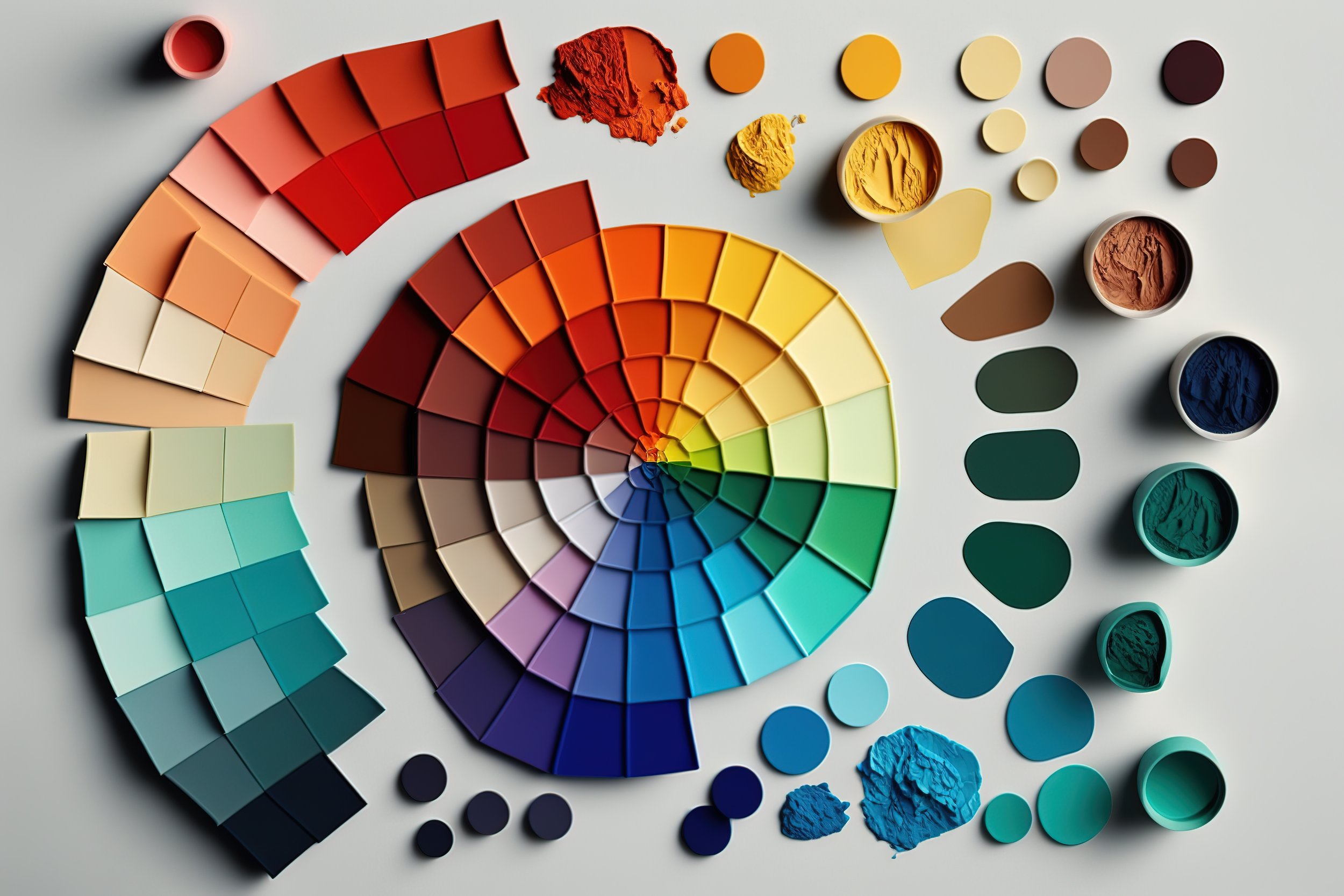
Mastering Colour Theory: Essential Tips for Graphic Designers and ...
Guide To Color Theory Fashion: Changing Your Design Game
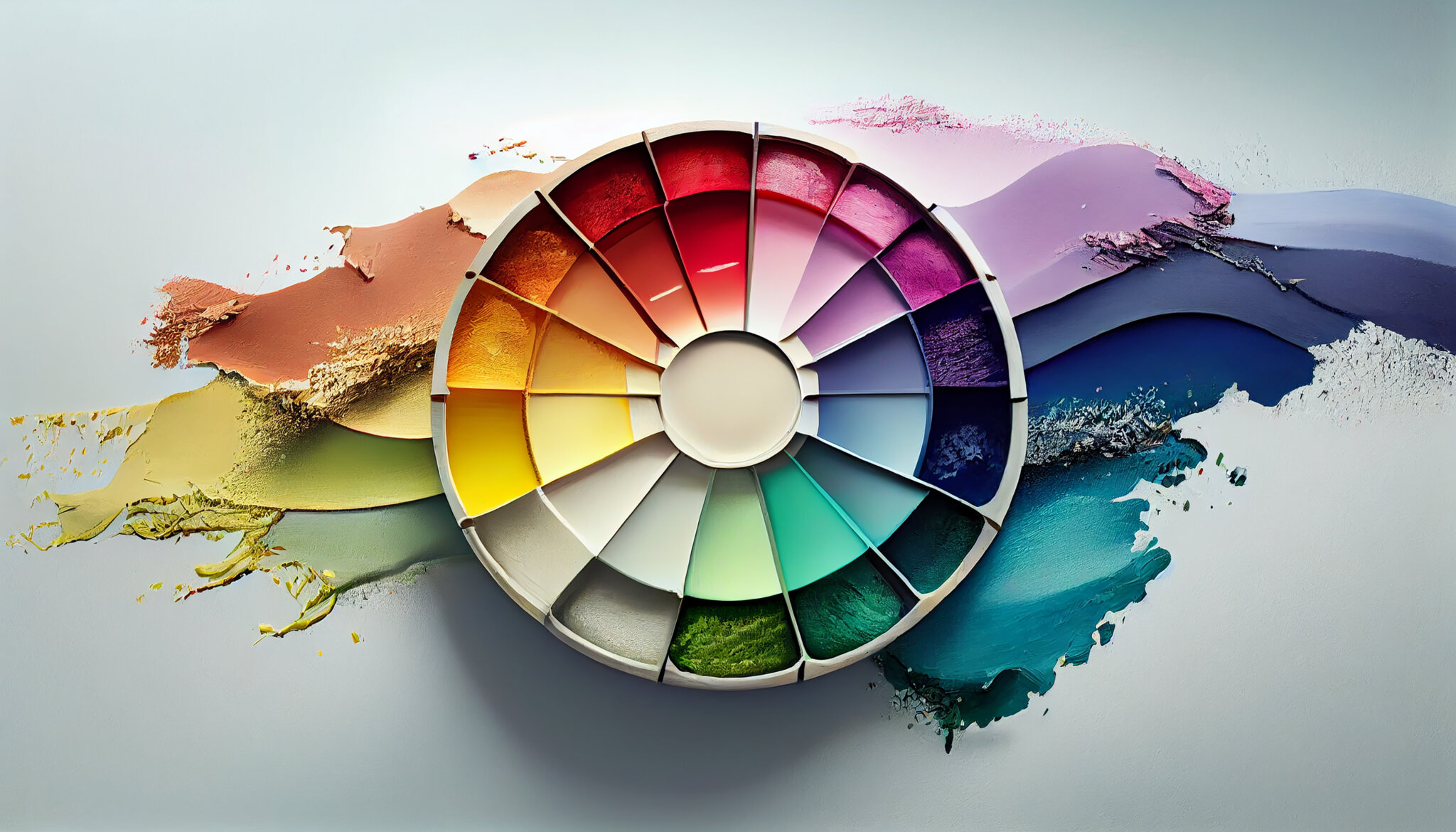
Guide to Color Theory Fashion: Changing Your Design Game
Analogous Color Wheel Chart - PDF - WordLayouts
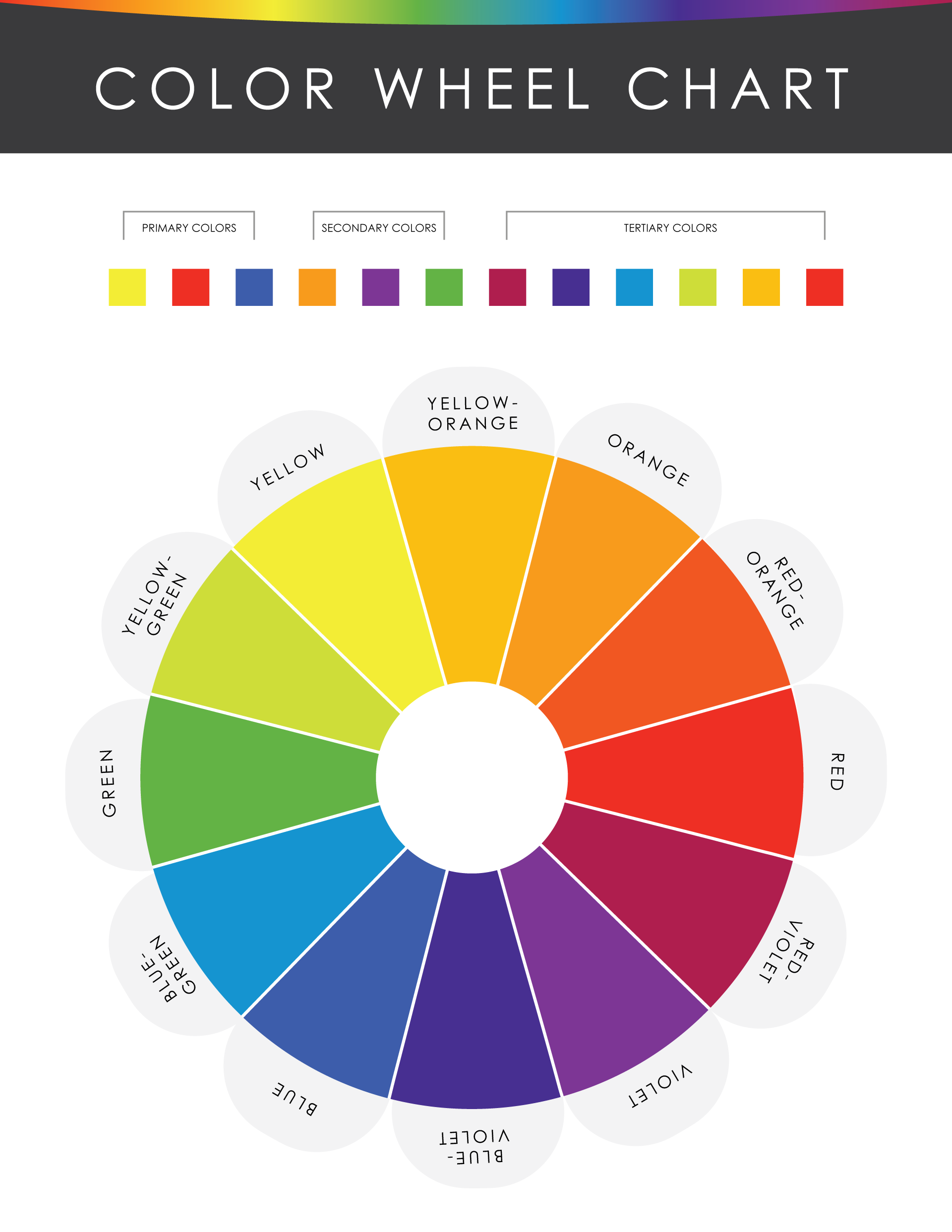
Analogous Color Wheel Chart - PDF - WordLayouts