The Columbian Exchange reshaped continents, cuisines, and economies, turning a simple trans‑Atlantic voyage into a catalyst for a global re‑mapping of resources and peoples. By visualizing this transformation on a blank map, educators and analysts can pinpoint the flow of crops, diseases, and labor that still echo in today’s trade routes and cultural landscapes.
Why does a blank map matter when studying the Columbian Exchange?
Traditional world maps often embed historical narratives, making it hard to isolate the specific movements triggered by the exchange. Starting with a clean canvas forces the viewer to plot each item—maize to Europe, horses to the Americas, smallpox to Indigenous populations—without preconceived geopolitical bias. This exercise highlights gaps in knowledge and invites a more data‑driven discussion of cause and effect.
How did crops and livestock alter economies and diets?
When maize, potatoes, and cassava crossed the Atlantic, they quickly became staple foods in Africa, Europe, and Asia. Their high caloric yields supported population booms that, in turn, spurred urban growth and labor market shifts. Conversely, Old World livestock such as cattle, pigs, and horses transformed Indigenous agriculture, introducing new land‑use patterns and, in some regions, accelerating deforestation.
Mapping these introductions on a blank sheet reveals clusters of nutritional impact: the Andean highlands glow with potatoes, while the Irish countryside lights up with potatoes and later, the Irish Potato Famine. Such visual clusters help busy readers see the direct line from a single crop’s arrival to far‑reaching socioeconomic change.
What role did disease play in reshaping demographics?
Smallpox, measles, and influenza rode the same ships that carried goods, decimating Indigenous populations by up to 90% in some areas. By marking disease vectors on a blank map, one can see the stark contrast between densely populated pre‑contact societies and the rapid depopulation that followed. This visual disparity underscores why European powers could claim vast territories with relatively few settlers.
Understanding this mortality wave is not just academic; it explains why labor shortages prompted the trans‑Atlantic slave trade, a grim but crucial link in the exchange’s chain.
How did the exchange influence cultural and linguistic landscapes?
Beyond tangible goods, the movement of languages, religions, and artistic styles left an indelible mark. Spanish and Portuguese spread across the Americas, while Indigenous words like “chocolate” and “tomato” entered European vocabularies. Plotting linguistic diffusion on a blank map shows overlapping zones where hybrid cultures emerged, such as the mestizo societies of Mexico or the Creole languages of the Caribbean.
What practical steps can educators take to use a blank map effectively?
- Start simple. Choose one category—crops, animals, or disease—and plot only those items.
- Layer information. Add a second layer for trade routes, then a third for demographic changes.
- Invite interaction. Use digital mapping tools that let students drag and drop symbols, turning a static exercise into an active discovery.
- Connect to today. Highlight modern commodities that trace back to the exchange, like coffee in Europe or quinoa in North America, reinforcing relevance.
What are the lasting implications for global trade and policy?
The Columbian Exchange set the template for today’s interconnected supply chains. Recognizing its origins helps policymakers anticipate how the movement of one commodity—be it a crop or a technology—can ripple through economies worldwide. A blank map, refreshed with contemporary data, becomes a decision‑making aid, showing where new introductions might repeat historical patterns of benefit or disruption.
How can readers apply this insight right now?
Grab a printable world outline, mark the primary flows you care about—whether you’re a teacher, a supply‑chain analyst, or a curious citizen—and ask yourself: “What modern exchange am I witnessing, and what hidden costs might follow?” This simple visual habit turns a complex historical process into a practical lens for today’s global challenges.
No Cache For Google Chrome - Extension Download
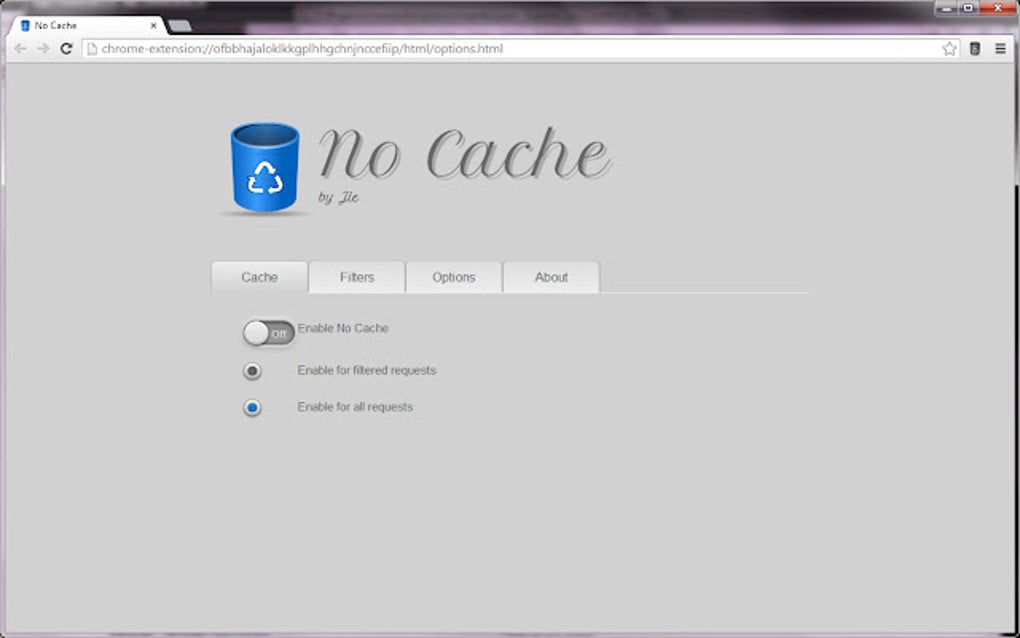
No Cache for Google Chrome - Extension Download
Azure CDN CONFIG_NOCACHE - Microsoft Q&A
Azure CDN CONFIG_NOCACHE - Microsoft Q&A
VLLM-Omni Diffusion Cache Acceleration | VLLM Blog

vLLM-Omni Diffusion Cache Acceleration | vLLM Blog
Dockerビルドキャッシュ: `--no-cache`で完全無効化

Dockerビルドキャッシュ: `--no-cache`で完全無効化
Understanding Cache-Control Directives: No-cache Vs Must-revalidate
Understanding Cache-Control Directives: no-cache vs must-revalidate