As birthdays, holidays, and “just because” moments pile up, shoppers are turning to DIY presents that promise a personal touch without the premium price tag. The surge in homemade‑gift searches reflects a desire for authenticity, yet many would‑be creators stall at the first hurdle: transforming a raw idea into a polished, memorable token. This guide cuts through the clutter, offering practical comparisons and step‑by‑step tactics that move projects from humble beginnings to genuine showstoppers.
Why DIY Gifts Still Matter in a Mass‑Market World
Even in an era of fast‑fashion and one‑click purchases, consumers report higher satisfaction when a gift is crafted by hand. Studies of buyer sentiment reveal three recurring motivations: emotional relevance, perceived value, and the thrill of creation. A homemade item signals that the giver invested time, not just money, which can outweigh a $30 store‑bought trinket in the recipient’s eyes.
Common Pitfalls When You Start From Scratch
Most DIY beginners stumble over the same trio of issues: unclear scope, inadequate tools, and unrealistic cost expectations. A vague plan—“make a candle”—often spirals into endless material hunting, while a lack of basic equipment (e.g., a reliable heat‑proof pitcher) leads to abandoned projects. Finally, budgeting missteps arise when hobbyists over‑invest in premium supplies without first testing the concept.
Choosing the Right Materials Without Breaking the Bank
To navigate cost versus quality, compare three sourcing strategies:
- Bulk discount stores. Buying cotton fabric or wooden beads in 5‑lb packs can shave 30 % off the per‑unit price, but requires storage space and a clear idea of volume.
- Local craft fairs. Sellers often offer “maker‑specials” on unsold inventory; the trade‑off is limited selection and the need to negotiate.
- Recycled household items. Repurposing old glass jars or vintage scarves eliminates material cost entirely, though it may demand extra prep work like sanding or cleaning.
When the project calls for a specific finish—say, a matte varnish for a wooden photo frame—test a small sample from each source before committing to the full batch.
Step‑by‑Step Strategies That Turn Simple Ideas into Showstoppers
Breaking a project into micro‑milestones keeps momentum high. Below is a template that works across categories (candles, jewelry, textiles):
- Define the core value. Ask, “What emotion does this gift convey?” A scent‑filled candle aims for calm; a hand‑stitched tote targets utility.
- Sketch a rough prototype. Use paper or a simple digital canvas to map dimensions, color palette, and assembly order.
- Gather a “starter kit.” Limit purchases to the smallest quantities needed for the prototype—this reduces waste if the design fails.
- Execute a test run. Produce one complete sample, note time spent, material waste, and visual flaws.
- Iterate based on feedback. Show the sample to a trusted friend; tweak dimensions, finishes, or packaging accordingly.
Packaging and Presentation: The Final Touch That Sells
Even a flawless item can fall flat if delivered in a plain bag. Compare three presentation tiers:
- Eco‑friendly kraft paper. Low cost, recyclable, and easy to personalize with stamps or handwritten tags.
- Custom printed boxes. Higher upfront expense (often offset by bulk orders) but adds a professional feel that justifies a premium perception.
- Reusable containers. Glass jars with cork lids or fabric pouches not only protect the gift but become part of the gift itself, extending perceived value.
Select the tier that aligns with the recipient’s taste and the giver’s budget; a thoughtful tag can turn a simple kraft wrap into a cherished memory.
What to Expect After You Launch Your Homemade Gift Line
First‑time creators report a 20‑30 % boost in confidence after completing a well‑received project, and many cite repeat orders from friends and family as the next logical step. By documenting each phase—materials, time, cost—you build a repeatable process that reduces future effort and improves profitability. The key takeaway: start small, refine relentlessly, and let presentation amplify the personal story behind every handmade piece.
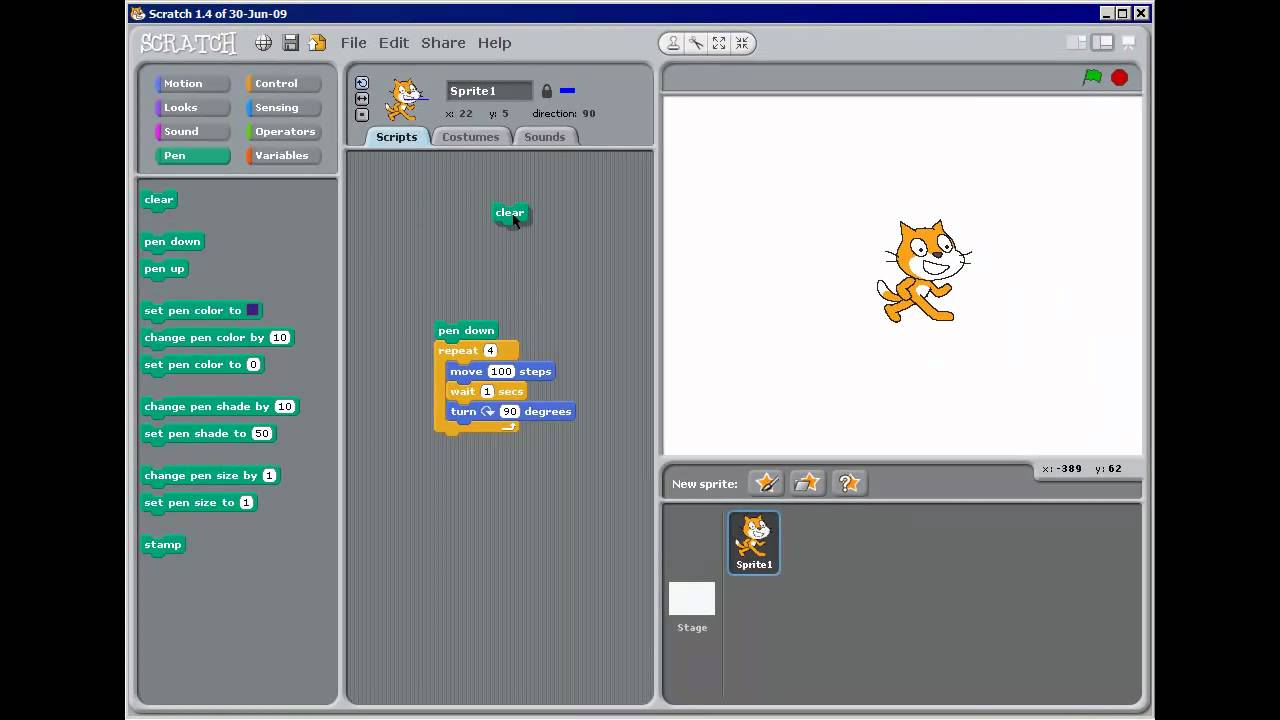
Scratch Screen Dimensions At Hugo Bergin Blog

Scratch Screen Dimensions at Hugo Bergin blog
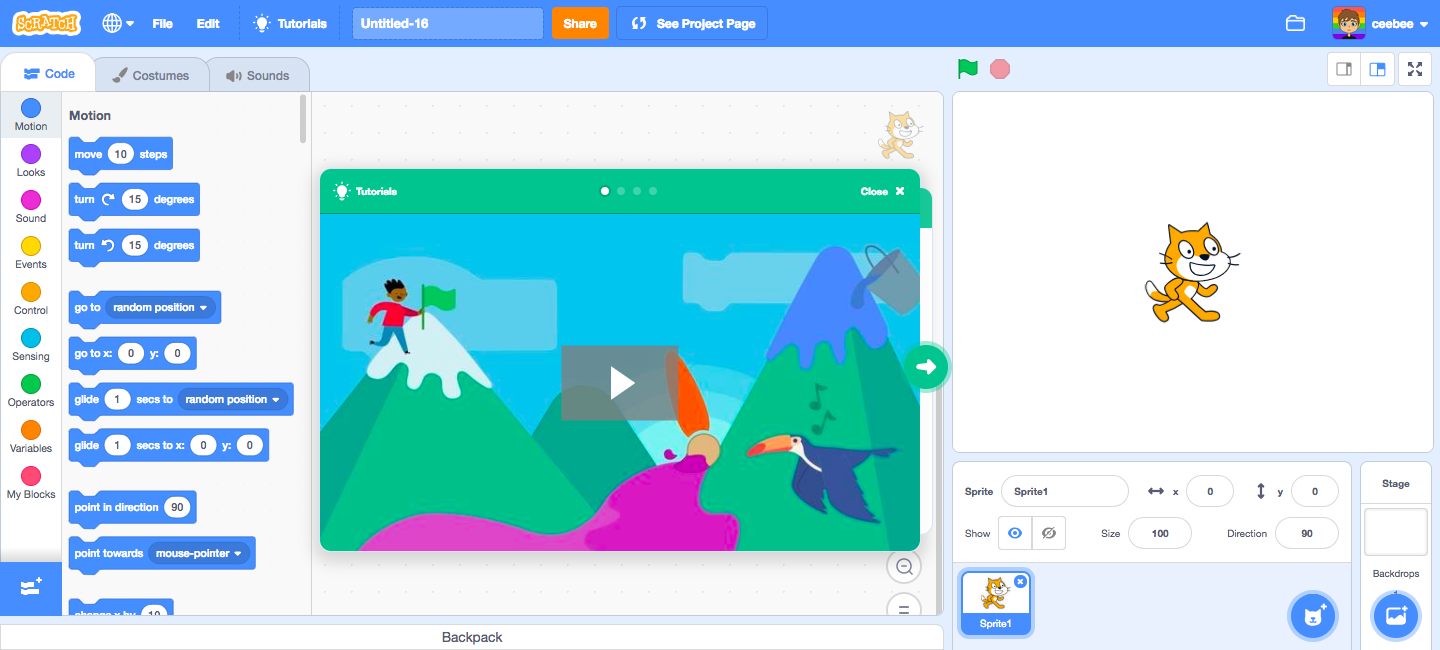
Sơ đồ: Programming - Introduction To Scratch | Quizlet

Sơ đồ: Programming - Introduction to Scratch | Quizlet
Scratch Programming Language
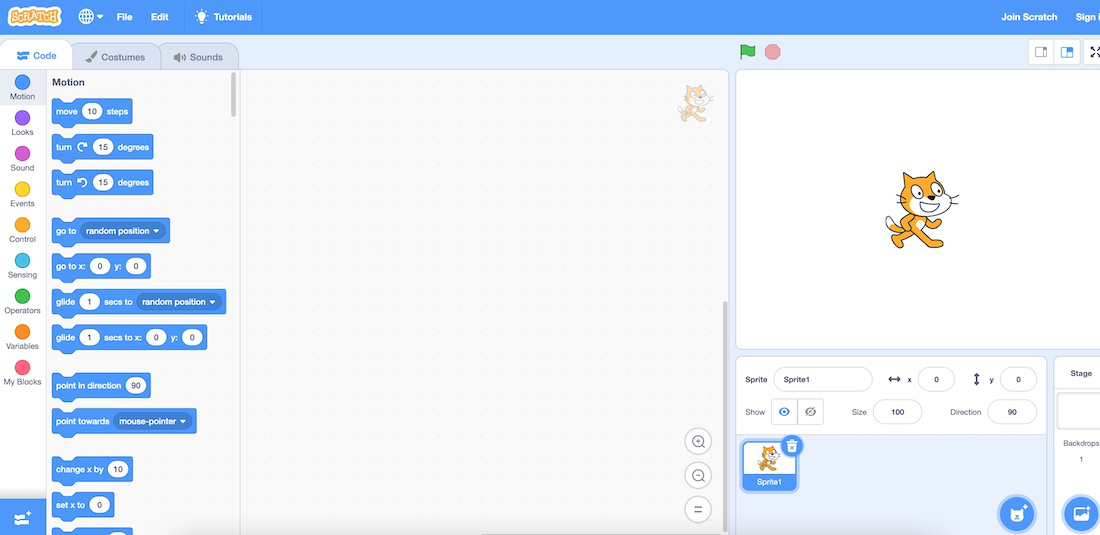
Scratch Programming Language