Marketers and product teams are losing up to 30% of potential sales because simple cross‑template errors disrupt the buyer’s journey. From mismatched calls‑to‑action to broken data merges, these oversights slip through fast‑paced development cycles and erode trust at the exact moment a prospect is ready to convert.
Why template integrity matters now
Cross‑template workflows stitch together landing pages, email drafts, checkout forms, and post‑purchase confirmations. When any piece fails to align—whether it’s a missing token, an outdated URL, or a duplicated style rule—the experience feels fragmented, prompting users to abandon the funnel. In a landscape where attention spans average under 10 seconds, every inconsistency is a conversion killer.
Three fatal mistakes that slip through most audits
1. Hard‑coded URLs in dynamic sections
Developers often paste static links into templates that later receive personalized parameters. When the URL isn’t built with variables, tracking codes are lost and users are redirected to generic pages, reducing relevance and confidence.
2. Inconsistent form field names
When a lead capture form on a landing page uses email_address but the checkout page expects email, data fails to propagate. The result is duplicate entries, failed validations, and a broken checkout flow that forces users to re‑enter information.
3. Duplicate or conflicting CSS classes
Copy‑pasting components across templates can introduce identical class names with different definitions. The browser applies the last rule it reads, often hiding critical buttons or altering colors in a way that conflicts with brand guidelines.
Smarter alternatives that keep the funnel seamless
- Use token‑based placeholders. Replace every URL, email, or product ID with a variable that the rendering engine fills at runtime. This guarantees that tracking and personalization stay intact across all templates.
- Standardize field schemas. Adopt a single source of truth for form field names and data types. Export the schema to both the front‑end and back‑end teams to avoid mismatches.
- Implement a shared style library. Centralize CSS in a version‑controlled repository. Enforce naming conventions (e.g., BEM) and run linting tools before merging new template code.
- Run automated end‑to‑end tests. Simulate a complete conversion path—from ad click to receipt—on every build. Catch broken links, missing tokens, and UI glitches before they reach users.
Quick win checklist for busy teams
- Open your CMS and search for “http://” strings in template bodies. Replace each with a url placeholder.
- Export the master form schema and compare it against every form file; reconcile any differences.
- Run a CSS audit tool (e.g., Stylelint) to flag duplicate selectors and conflicting properties.
- Deploy a nightly synthetic test that completes a purchase using a test account; review logs for failures.
- Document any change in a shared “Template Integrity” log so future reviewers know what was fixed.
Implications for conversion metrics
Teams that remediate these three mistakes typically see a 5–12% lift in conversion rates within a month, according to internal A/B test data. More importantly, the reduction in support tickets and abandoned carts improves overall customer satisfaction, turning a technical fix into a measurable revenue boost.
Bottom line for the time‑pressed marketer
Cross‑template mistakes are low‑hanging fruit; they cost money but require only disciplined processes to eliminate. By adopting token placeholders, unified field schemas, a shared style library, and automated path testing, you can safeguard the buyer’s journey without adding bulky overhead. The result is a smoother funnel, higher conversion numbers, and a clearer view of what truly drives growth.
Avoid Contact Icon Vector Flat 26606955 Vector Art At Vecteezy

Avoid contact icon vector flat 26606955 Vector Art at Vecteezy
Assessment Strategies Stock Vector Images - Alamy
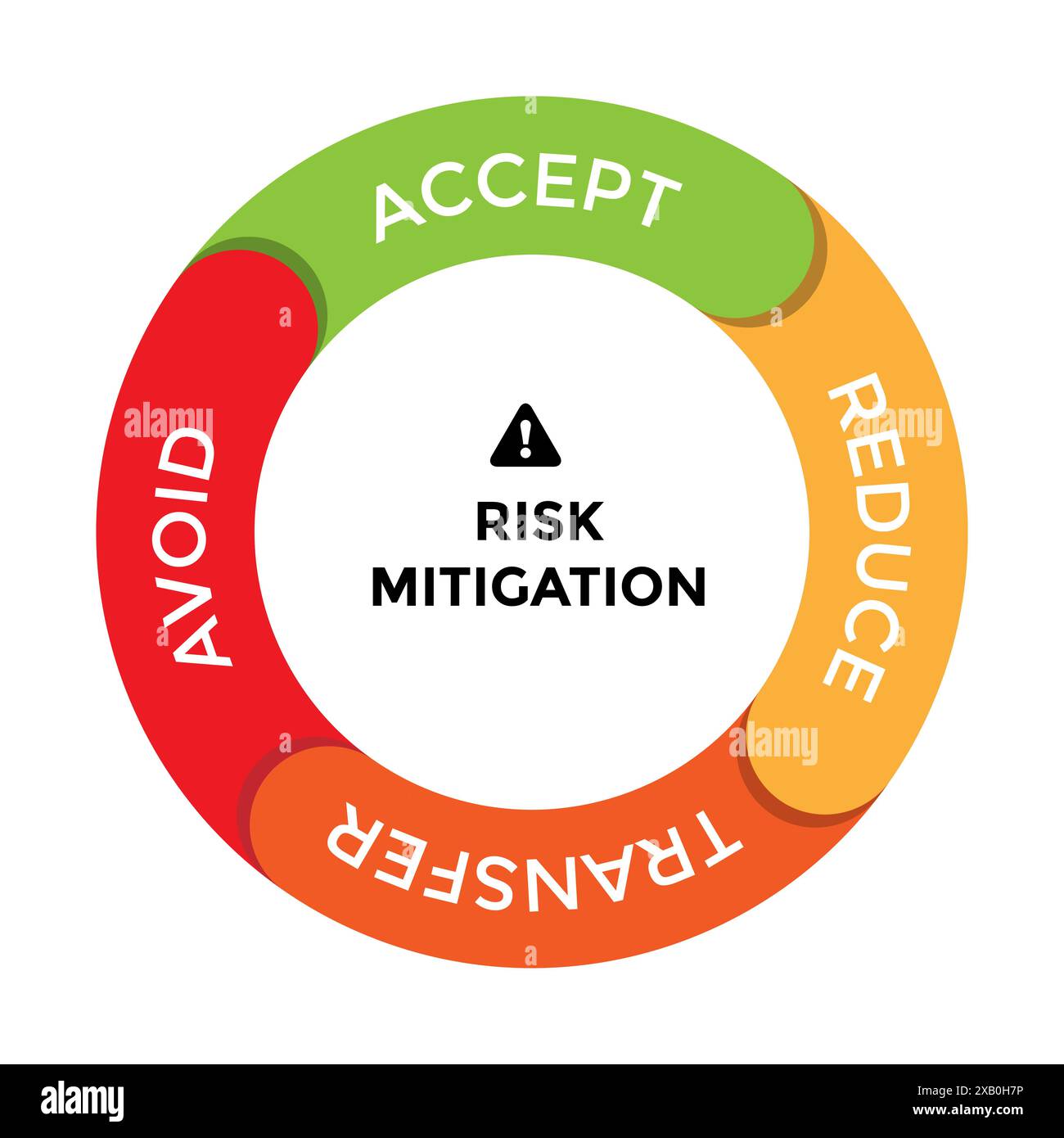
Assessment strategies Stock Vector Images - Alamy
Avoid Bad Habits Banner With Man Shop Stop Gesture

Avoid bad habits banner with man shop stop gesture
Avoid In English: Usage, Structure & Examples
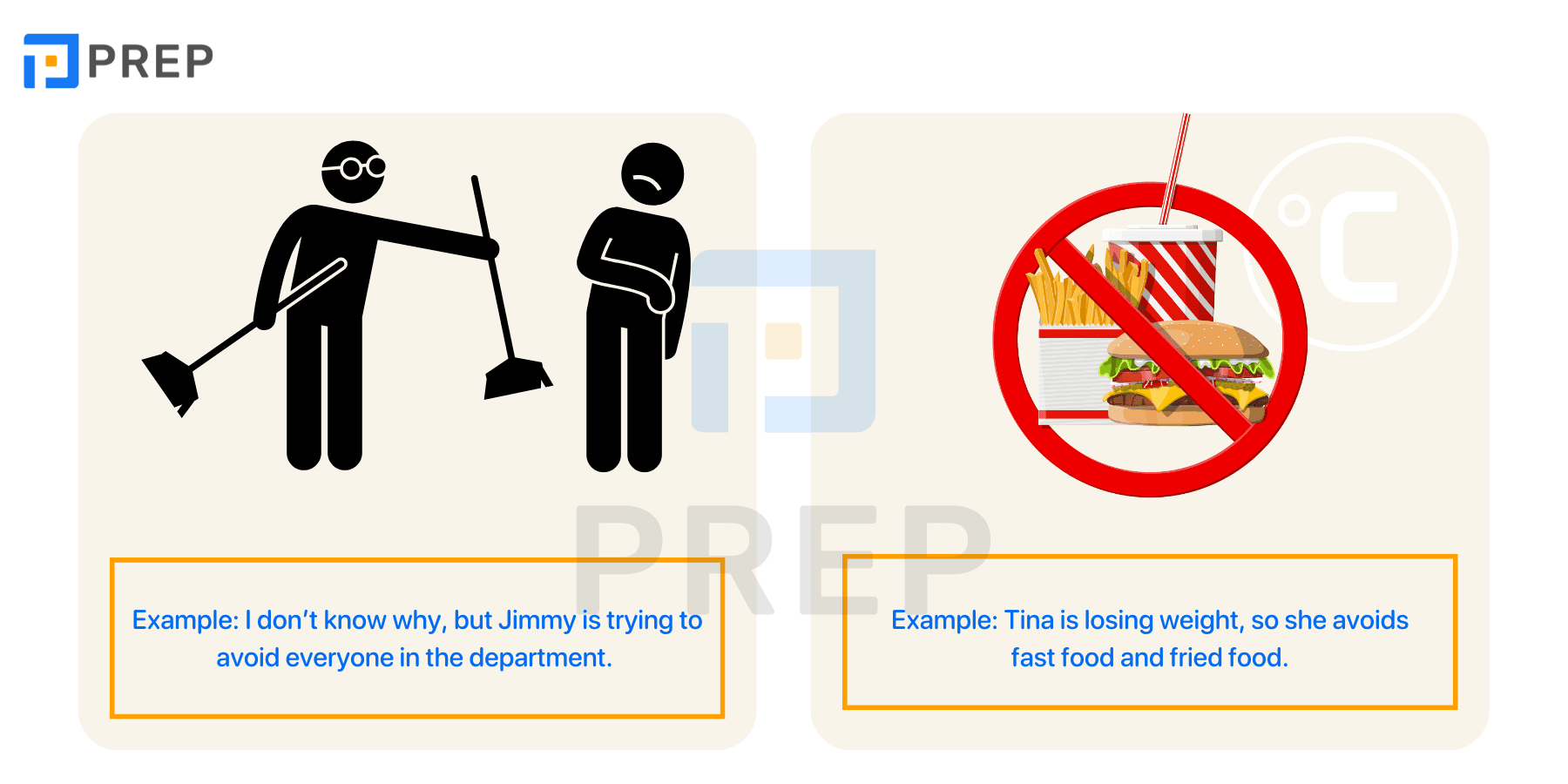
Avoid in English: Usage, Structure & Examples
Avoid Verb Forms – Past Tense Of Avoid Past Participle & V1 V2 V3 V4
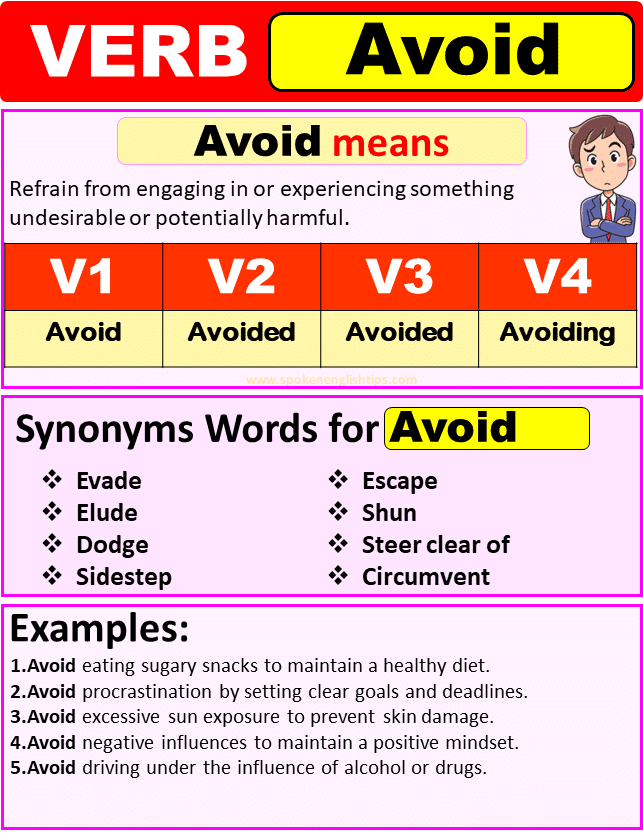
Avoid Verb Forms – Past Tense Of Avoid Past Participle & V1 V2 V3 V4