Every seasoned nail hobbyist knows that a flawless design can turn a simple manicure into a statement, yet the path from concept to lasting art is littered with pitfalls. By pinpointing the most frequent missteps and swapping them for proven alternatives, you can truly transform your hands with our stunning nail design ideas—and keep them looking fresh for weeks.
Why does a perfect design often fade within days?
The culprit is rarely the polish itself; it’s usually the preparation stage. Skipping a proper cuticle cleanse, neglecting a light buff, or failing to dehydrate the nail surface leaves microscopic oils that prevent adhesion. A quick, three‑step prep—cleanser, light buff, and a wipe with a non‑acetone remover—creates a clean canvas that lets pigment bond securely.
What common prep mistake undermines even the most intricate art?
Many hobbyists apply a base coat directly over natural oils, assuming the base will “seal” the nail. In reality, the base coat can trap residue, leading to bubbling or early chip. Instead, start with a dedicated nail cleanser (e.g., isopropyl alcohol or a professional prep wipe) to strip oils, then lightly buff the surface to a satin finish. Only after this should you introduce a thin, flexible base that matches your polish family.
How do you choose pigments that genuinely transform your look?
Color theory matters more than you think. Complementary hues (blue/orange, purple/yellow) create visual pop, while analogous shades (red to pink) offer subtle depth. For an eye‑catching effect, layer a sheer base in a cool tone, then top with a high‑contrast glitter or foil. This layering trick amplifies texture without adding bulk—a common gripe among experienced users.
Which tools make intricate designs smarter, not harder?
Precision brushes are essential, but the right brush shape can cut time in half. A ½‑mm pointed liner excels at fine lines, while a flat, wide brush (2‑mm) is ideal for bold blocks. Additionally, investing in a silicone dotting tool lets you place tiny accents without fiddling with a brush tip. The smarter alternative: keep a small “tool kit” of three brushes (liner, flat, and fan) and a dotting pen to avoid swapping out dozens of disposable sticks.
How can you prevent smudging during the drying phase?
Even the best sealant won’t protect a wet design. Many hobbyists use a fan dryer, yet the airflow can disturb delicate details. A better method is a two‑stage cure: first, a brief 30‑second air dry to set the top layer, followed by a thin coat of quick‑dry top coat. The quick‑dry layer creates a protective skin that lets the underlying polish finish curing without disturbance.
What aftercare steps keep the artwork looking fresh?
Once your masterpiece is set, the job isn’t over. Daily exposure to hand soap and oils erodes the seal. Applying a thin layer of cuticle oil every night re‑hydrates the surrounding skin without breaking the polish bond. For long‑term wear, re‑apply a satin top coat every 3–4 days; this refreshes the shine and fills microscopic micro‑cracks that cause chipping.
Is there a shortcut to achieving professional‑grade depth?
Layering translucent shades can mimic the subtle gradient you’d expect from a salon gel. Start with a sheer base, add a semi‑opaque mid‑tone, then finish with a clear gloss. Each layer should be cured (or air‑dried) just enough to become tacky before the next is applied. This “wet‑on‑wet” technique yields depth without the equipment expense of a UV lamp.
By replacing guesswork with these focused adjustments—clean prep, strategic pigment pairing, smart tool selection, and disciplined aftercare—you’ll not only avoid the usual setbacks but also unlock a higher level of creativity. Your next set of nails will truly transform your hands with stunning design ideas that endure, impress, and inspire fellow hobbyists.
Transform Plate Boundary
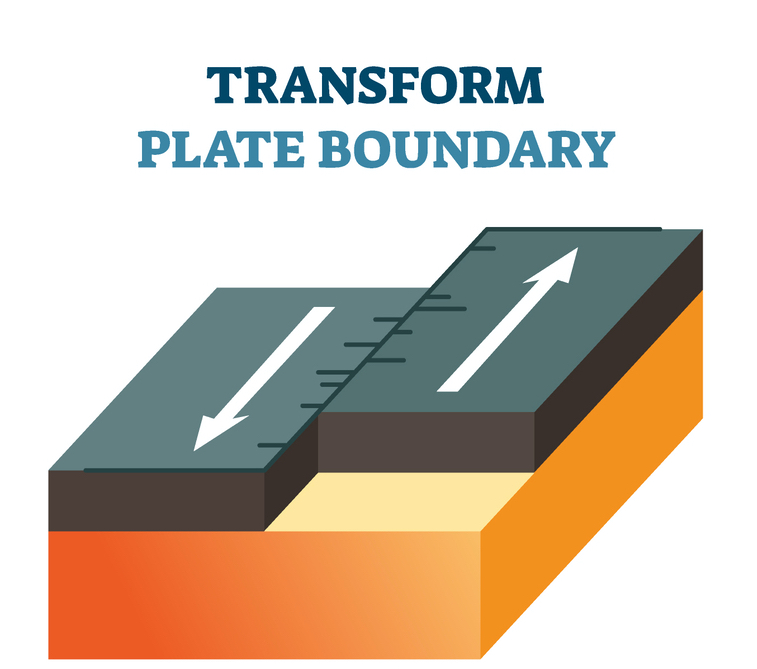
Transform Plate Boundary
Transform Fault Fence Transform Plate Boundaries Geology (U.S.

Transform Fault Fence Transform Plate Boundaries Geology (U.S.
Plate Boundaries Convergent Divergent Transform
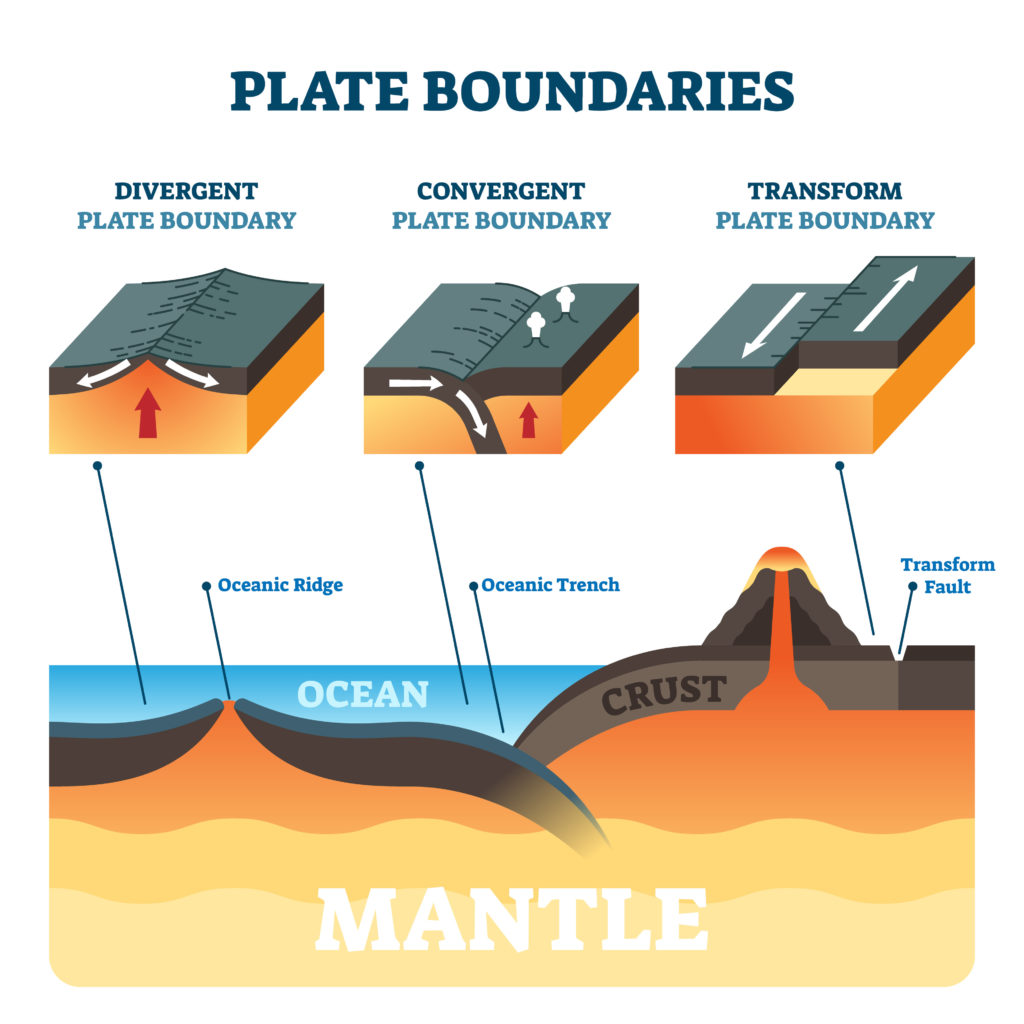
Plate Boundaries Convergent Divergent Transform
3.0 Plate Boundaries (overview) - DGGV
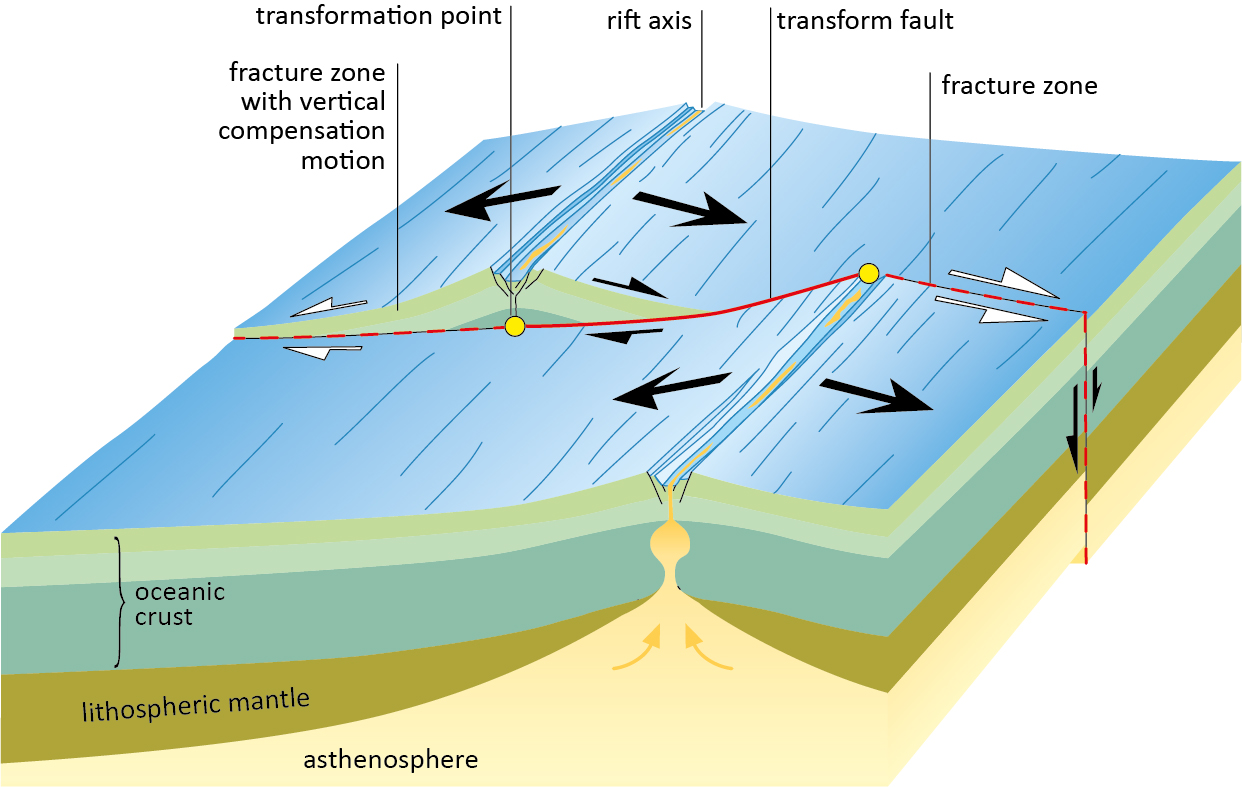
3.0 Plate Boundaries (overview) - DGGV
Plate Tectonics - Licchavi Lyceum
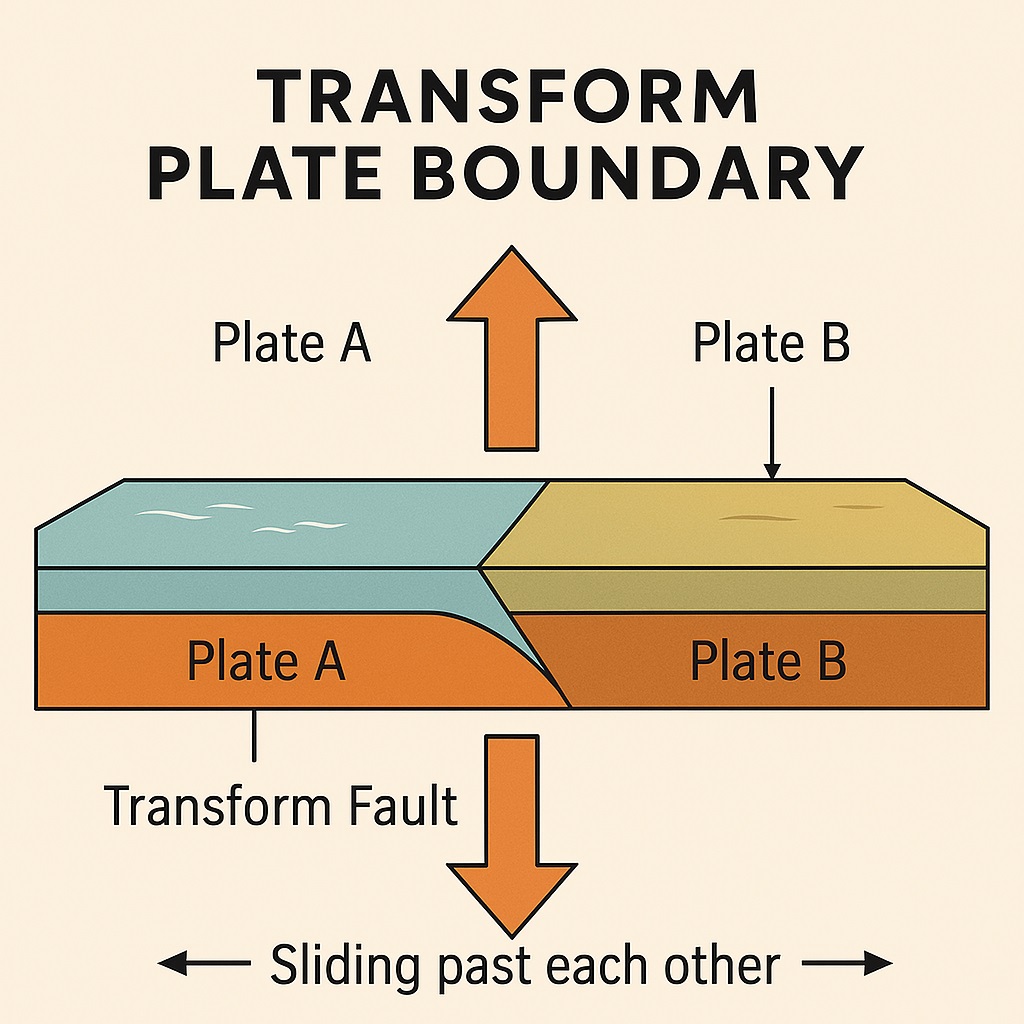
Plate Tectonics - Licchavi Lyceum