As the holiday season approaches, a growing niche of educators and hobbyists is turning to rocks advent calendars to deliver a fresh slice of geology each morning. By pairing a small, curated mineral or rock with a simple explanation, these calendars transform the traditional candy surprise into a tactile, educational experience that keeps curious beginners engaged from December 1 through December 25.
What Makes a Rock Advent Calendar Different?
Unlike conventional advent calendars that rely on sugary treats, a rock‑themed version offers a tangible, lasting reminder of Earth’s history. Each compartment typically contains a hand‑picked specimen—ranging from glossy igneous fragments to layered metamorphic shards—accompanied by a brief note on formation, age, or local significance. This daily “geologic joy” builds a habit of observation, turning a festive routine into a mini‑science lesson.
Choosing the Right Rock Types for Daily Discovery
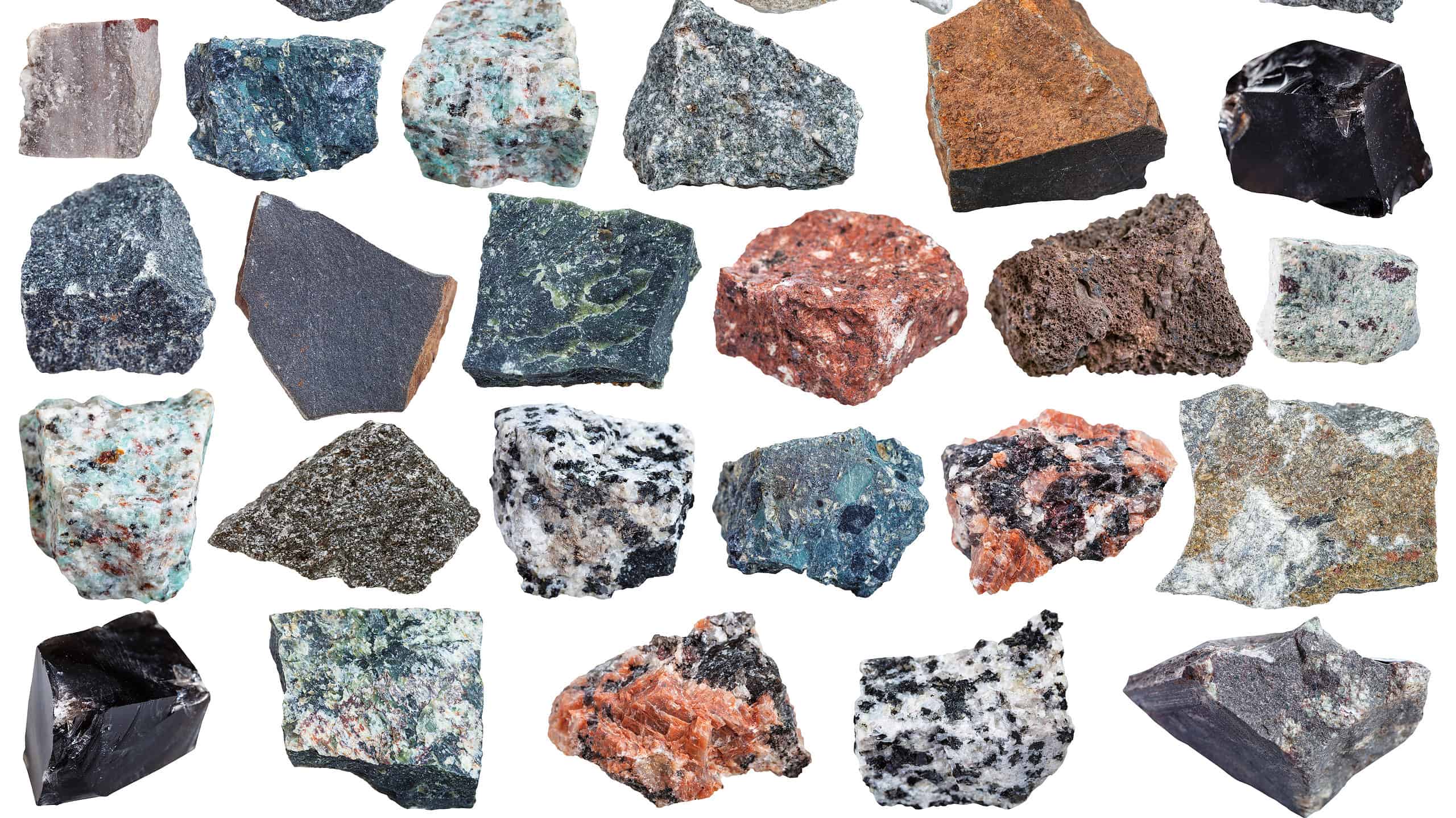
Effective calendars balance variety and accessibility. Starting with familiar igneous rocks such as basalt or granite provides an easy entry point; their textures and colors are instantly recognizable and spark questions about volcanic processes.
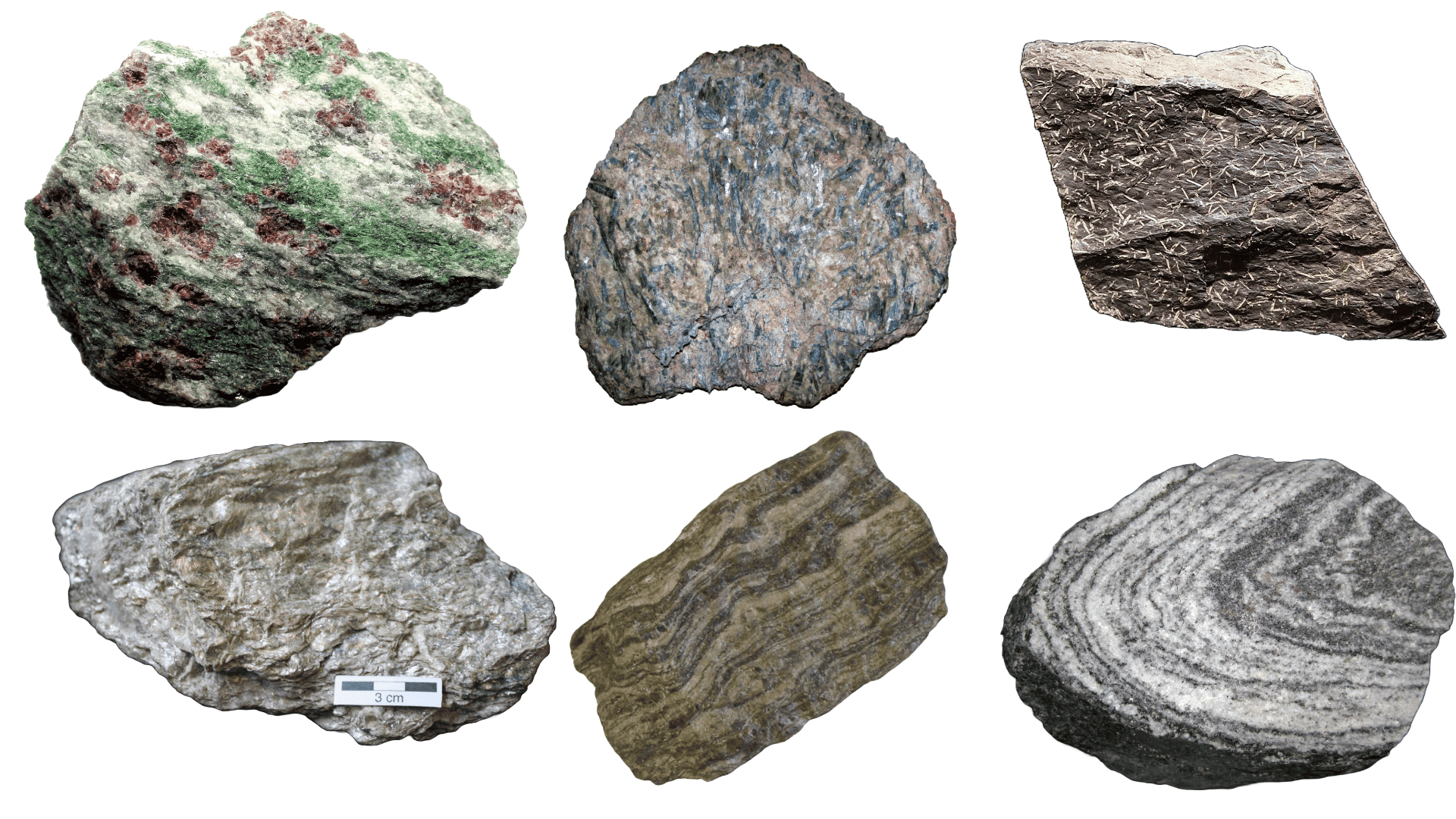
Midway through the month, introducing metamorphic examples like slate or schist adds a layer of complexity. These rocks showcase the transformative power of heat and pressure, allowing beginners to see how the same material can evolve over millions of years.
Closing the calendar with a few sedimentary pieces—sandstone, shale, or a fossil‑bearing limestone—highlights the Earth’s record of past environments and life, completing a miniature geological tour.
How to Use the Calendar for Maximum Learning
- Read the note before handling. A short paragraph (30‑50 words) explains the rock’s origin, encouraging the reader to make predictions about its appearance.
- Touch and compare. Encourage tactile exploration; feeling the grain size or fracture pattern reinforces concepts that words alone cannot convey.
- Document the experience. A simple journal entry—date, rock name, and one observation—creates a personal archive that can be revisited after the holidays.
- Share the find. Discussing the day's rock with family or classmates turns a solitary activity into a collaborative discovery.
Benefits for Curious Beginners
For newcomers to geology, the calendar solves three common pain points: lack of hands‑on material, overwhelming terminology, and inconsistent practice. By delivering a manageable, single rock each day, the calendar eliminates the need for costly field trips while providing consistent exposure to mineral diversity. The bite‑size explanations demystify jargon, and the daily habit builds confidence that can later translate into more ambitious projects like rock‑hounding or museum visits.
Tips for Building Your Own Calendar
- Select a theme. Decide whether to emphasize regional rocks, famous formations, or a mix of igneous, metamorphic, and sedimentary specimens.
- Source responsibly. Use locally collected samples, reputable mineral shops, or educational kits to avoid illegal collection.
- Label clearly. Write the rock’s name, primary composition, and a one‑sentence formation story on a small card.
- Package safely. Place each rock in a padded pocket or clear sleeve to protect fragile specimens during the month.
- Include a “fun fact” card. A surprising statistic—such as “The oldest known igneous rock on Earth is over 4 billion years old”—adds extra intrigue.
Implications for Seasonal Learning Trends
Integrating geology into holiday traditions reflects a broader shift toward experiential education. Parents and teachers are increasingly seeking low‑cost, low‑tech tools that foster curiosity without screen time. As rock advent calendars gain visibility on social media and in classroom newsletters, they may inspire similar niche calendars—like fossil, crystal, or even micro‑fossil boxes—expanding the market for tactile STEM gifts.
Whether purchased pre‑made or assembled at home, a rocks advent calendar turns the countdown to December 25 into a daily laboratory. By delivering a small, real piece of Earth history each morning, it delivers genuine joy, fosters scientific thinking, and proves that the best surprises can be solid, not sugary.
What Makes Metamorphic Rocks So Unique?
:max_bytes(150000):strip_icc()/GettyImages-565058911-1--58b599d33df78cdcd86dd9e6.jpg)
What Makes Metamorphic Rocks So Unique?
Rocks Make Mountains.Big Rocks.Small Rocks.Sharp Rocks.Smooth Rocks

Rocks make mountains.Big rocks.Small rocks.Sharp rocks.Smooth rocks ...
Igneous Rocks
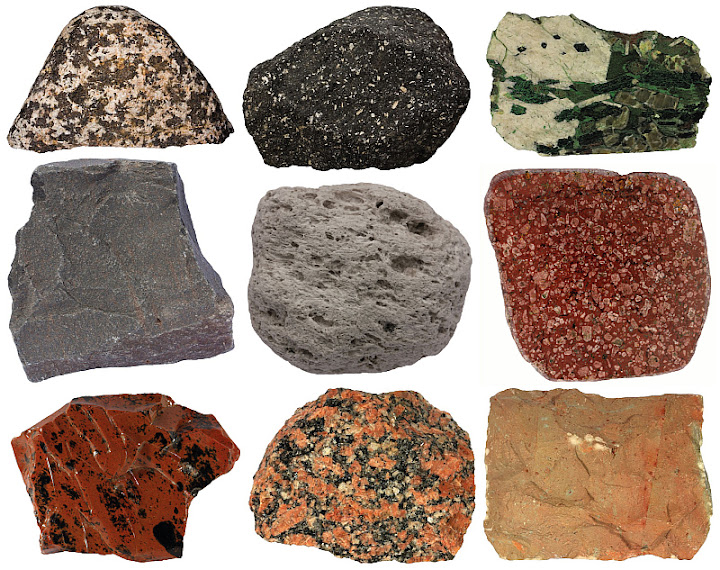
Igneous rocks