Busy parents are discovering that a well‑designed potty‑training sticker chart can turn bathroom visits from a daily battle into a predictable, low‑stress routine. By replacing nagging and random rewards with a clear visual progress system, families are cutting down accidents, shortening the learning curve, and preserving sanity.
Why a Sticker Chart Beats Guesswork
Traditional potty training often relies on sporadic praise or the hope that a child will “just get it.” That approach ignores two realities: toddlers need concrete cues, and they respond best to immediate, visible feedback. A sticker chart supplies both, turning each successful sit‑down into a tangible milestone that the child can see accumulate. The visual cue also signals to caregivers when the next step—such as moving from a potty seat to a regular toilet—is appropriate.
Common Pitfalls That Undermine Success
- Inconsistent timing. Rewarding a child hours after the bathroom visit erodes the cause‑and‑effect link.
- Over‑complicating the chart. Too many categories (color‑coded, multiple reward tiers) confuse a young mind that thrives on simplicity.
- Using stickers as the sole motivator. When the chart is the only incentive, the child may stop trying once the stickers run out.
- Neglecting the environment. A cluttered bathroom or hard‑to‑reach potty seat can sabotage even the best chart.
Smarter Alternatives: Designing a Practical Sticker System
Instead of a generic printable, consider a custom chart that mirrors your family’s schedule. Here’s a step‑by‑step formula:
- Choose a limited set of stickers. Five to seven distinct images (e.g., stars, animals) keep the chart tidy and make each reward feel special.
- Define clear milestones. For example: “First successful sit,” “Three consecutive days without accidents,” “First night without a diaper.”
- Set a visible placement. Hang the chart at child‑eye level near the bathroom door so the child can place stickers immediately after each successful attempt.
- Pair stickers with a non‑material reward. Once a row is complete, offer a short privilege—extra story time, choosing dinner, or a “no‑screen” day—so the chart is a stepping stone, not the finish line.
- Review and reset weekly. A quick family huddle reinforces progress and lets you adjust goals if the child is advancing faster or slower than expected.
Implementation Checklist for the Time‑Pressed Parent
- Print or laminate a 7‑by‑7 grid; keep it under 12 inches wide for easy handling.
- Stock a small container of stickers next to the potty seat.
- Schedule three short “check‑in” moments each day—morning, after meals, and bedtime—to prompt the child to try.
- Record accidents discreetly on the chart with a neutral symbol (e.g., a grey dot) to keep the child’s confidence intact.
- Celebrate completed rows with a predictable reward, not a surprise that may feel arbitrary.
What Parents Can Expect After the First Two Weeks
Data from pediatric behavior specialists shows that children using a consistent sticker chart reduce daytime accidents by 40 % within ten days and transition to a regular toilet by the fourth week, provided the chart is maintained daily. Moreover, the visual progress reduces parental frustration, allowing caregivers to allocate the saved minutes toward other priorities—work calls, meal prep, or a brief moment of quiet.
Long‑Term Benefits Beyond the Bathroom
The habit of tracking progress translates to other domains: bedtime routines, chore completion, and even school assignments. By establishing a reliable reward loop early, children develop an internal sense of accountability that outlasts the stickers themselves.
In short, a thoughtfully constructed potty‑training sticker chart transforms the bathroom routine from a source of stress into a structured, rewarding experience. For busy families seeking a pragmatic solution, the chart is less a gimmick and more a proven behavioral tool that aligns with a child’s need for clear, immediate feedback.
Plate Tectonics - Licchavi Lyceum
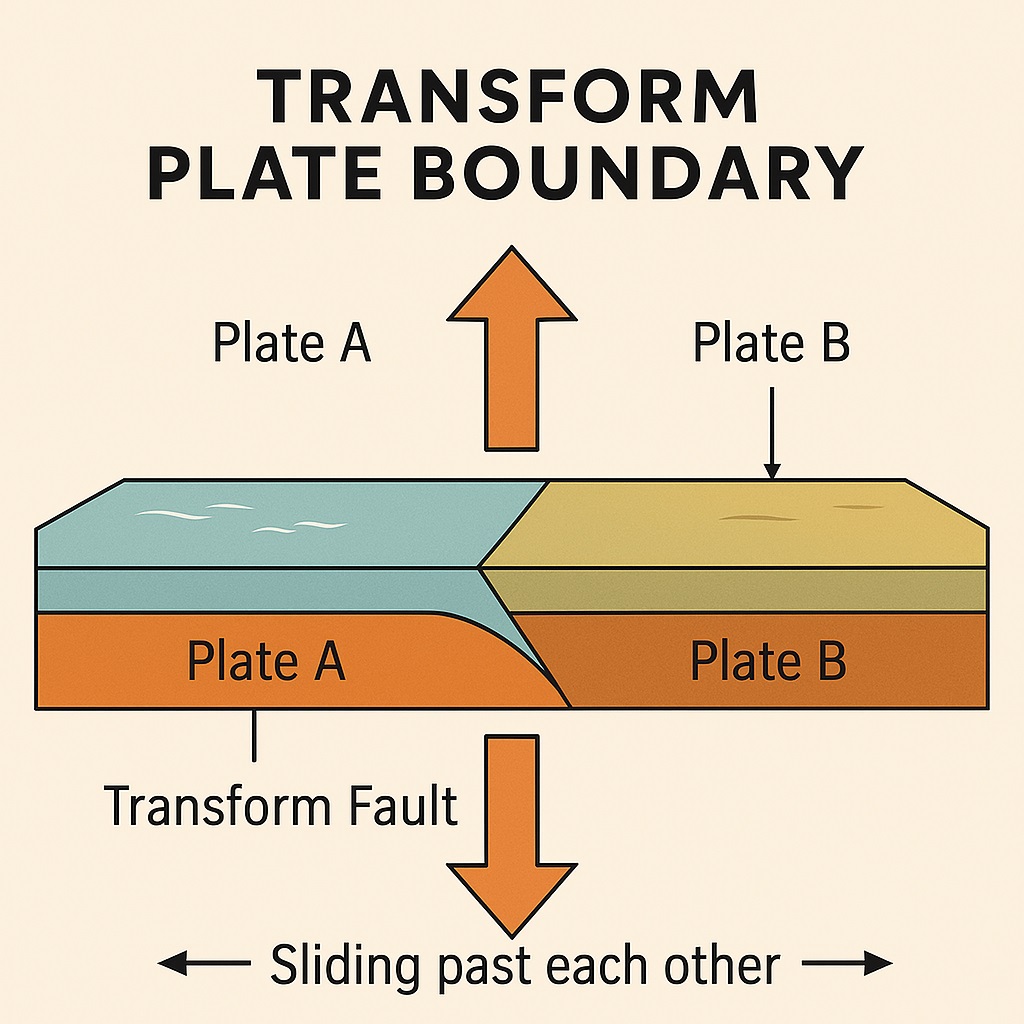
Plate Tectonics - Licchavi Lyceum
Transform Plate Boundary
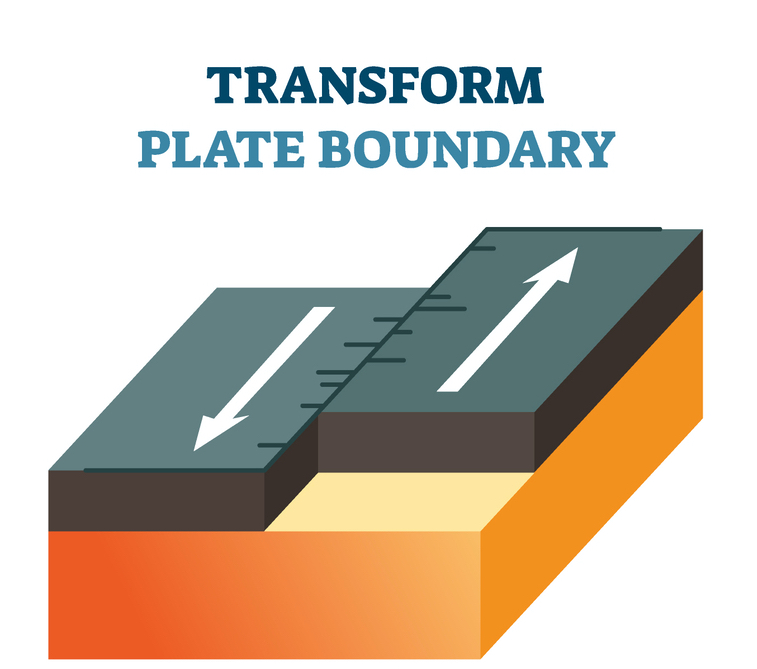
Transform Plate Boundary
3.0 Plate Boundaries (overview) - DGGV
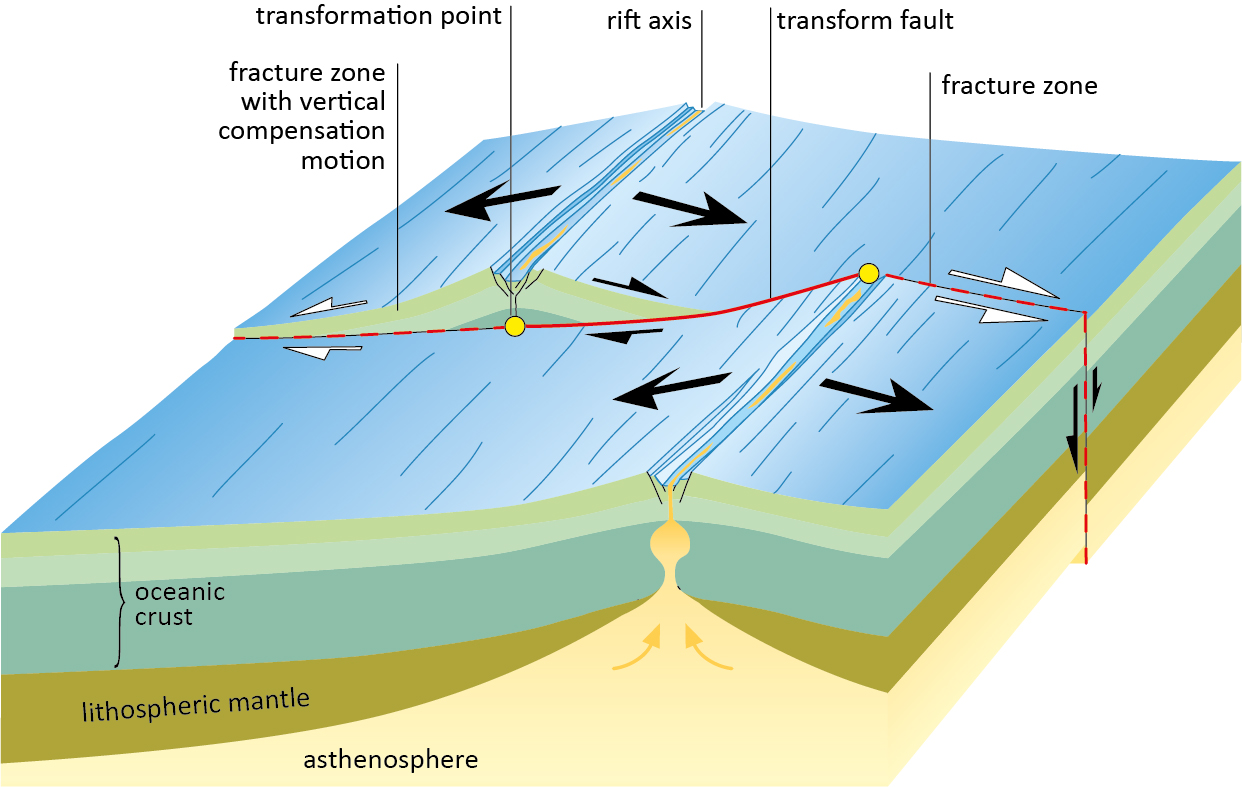
3.0 Plate Boundaries (overview) - DGGV
Transform Fault Fence Transform Plate Boundaries Geology (U.S.

Transform Fault Fence Transform Plate Boundaries Geology (U.S.
Plate Boundaries Convergent Divergent Transform
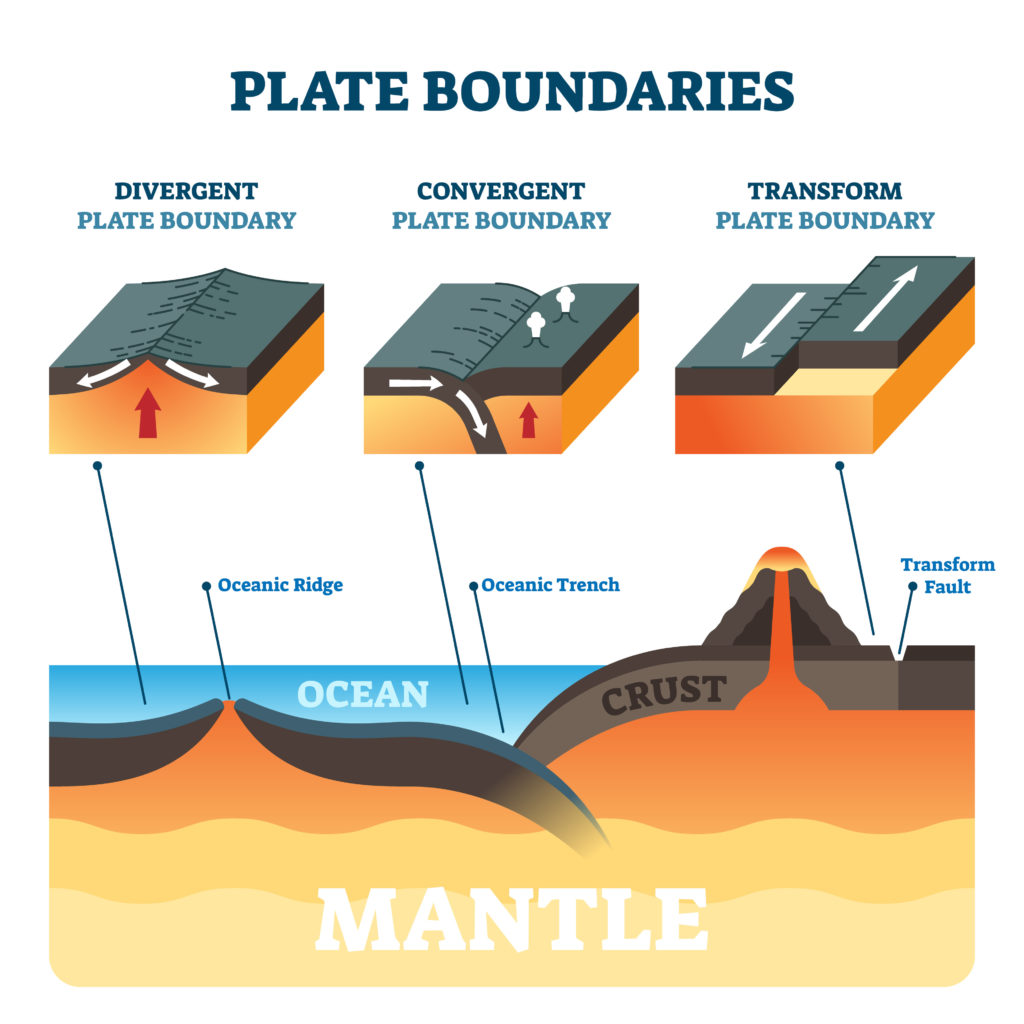
Plate Boundaries Convergent Divergent Transform