Bill‑paying forums promise fast discounts and insider tricks, but they also attract fraudsters who exploit eager savers. By recognizing the tell‑tale signs of scams and adopting proven safeguards, users can protect their wallets while still benefiting from legitimate community tips.
Why Bill‑Pay Forums Have Become a Scam Magnet
Forums dedicated to utilities, credit‑card statements, and subscription services draw large crowds because they centralise hard‑to‑find discounts. That visibility, however, makes them prime ground for imposters who post fake “cheat codes,” counterfeit vouchers, or phishing links. The combination of high‑value targets and low‑tech verification creates a perfect storm for deception.
Common Tactics You’ll Encounter
Fake Discount Codes That Expire Instantly
- Codes that claim 50 % off a utility bill but redirect to a third‑party checkout where personal data is harvested.
- Often posted with urgency cues (“Only 5 minutes left!”) to pressure users into clicking.
Phishing Threads Masquerading as Support
- Posts that ask for account numbers, SSNs, or login credentials under the guise of “verifying eligibility.”
- Links may lead to a replica of a utility company’s portal, capturing credentials in real time.
Paid Membership Traps
- Forums that require a “premium” fee to access “exclusive hacks.” Once paid, the promised content is either generic or nonexistent.
- Recurring charges can appear on credit‑card statements, hidden behind vague “subscription” descriptions.
How to Spot a Legitimate Offer
Legitimate deals usually come with verifiable references, such as official promo codes posted on a utility company’s website or a direct link that ends in the company’s domain. Community members who consistently share accurate information often have a long‑standing reputation, visible through post timestamps and a history of helpful replies.

Use visual cues like the above icon to flag content that feels overly urgent or asks for private data.
Practical Steps to Safeguard Your Payments
- Verify the source. Before entering any personal information, compare the posted link with the official utility site’s URL.
- Use disposable email addresses. If a forum requires registration, a throwaway address prevents spam from reaching your primary inbox.
- Enable two‑factor authentication (2FA). Even if credentials are compromised, a secondary verification step blocks unauthorized access.
- Cross‑check discount codes. Search the exact code on the utility’s official promotions page or contact customer service directly.
- Limit data sharing. Only provide the minimum information needed—usually account numbers, not full Social Security numbers or passwords.
When a Scam Is Confirmed, What to Do Next
If you suspect a thread is fraudulent, report it to the forum moderators and, when applicable, to the Federal Trade Commission (FTC). Change any passwords that may have been exposed, and monitor your bank statements for unauthorized charges. Many utility companies also offer fraud‑alert services that can flag suspicious activity on your account.
Following a clear process reduces the chance of falling prey to common hacks.
Bottom Line: Balance Savings with Vigilance
Bill‑pay forums can be valuable resources for trimming monthly expenses, but the potential payoff for scammers is high. By treating every discount claim with healthy skepticism, employing strong authentication, and staying informed about typical fraud patterns, consumers can reap genuine savings without exposing themselves to costly hacks.
Avoid Bad Habits Banner With Man Shop Stop Gesture

Avoid bad habits banner with man shop stop gesture
Assessment Strategies Stock Vector Images - Alamy
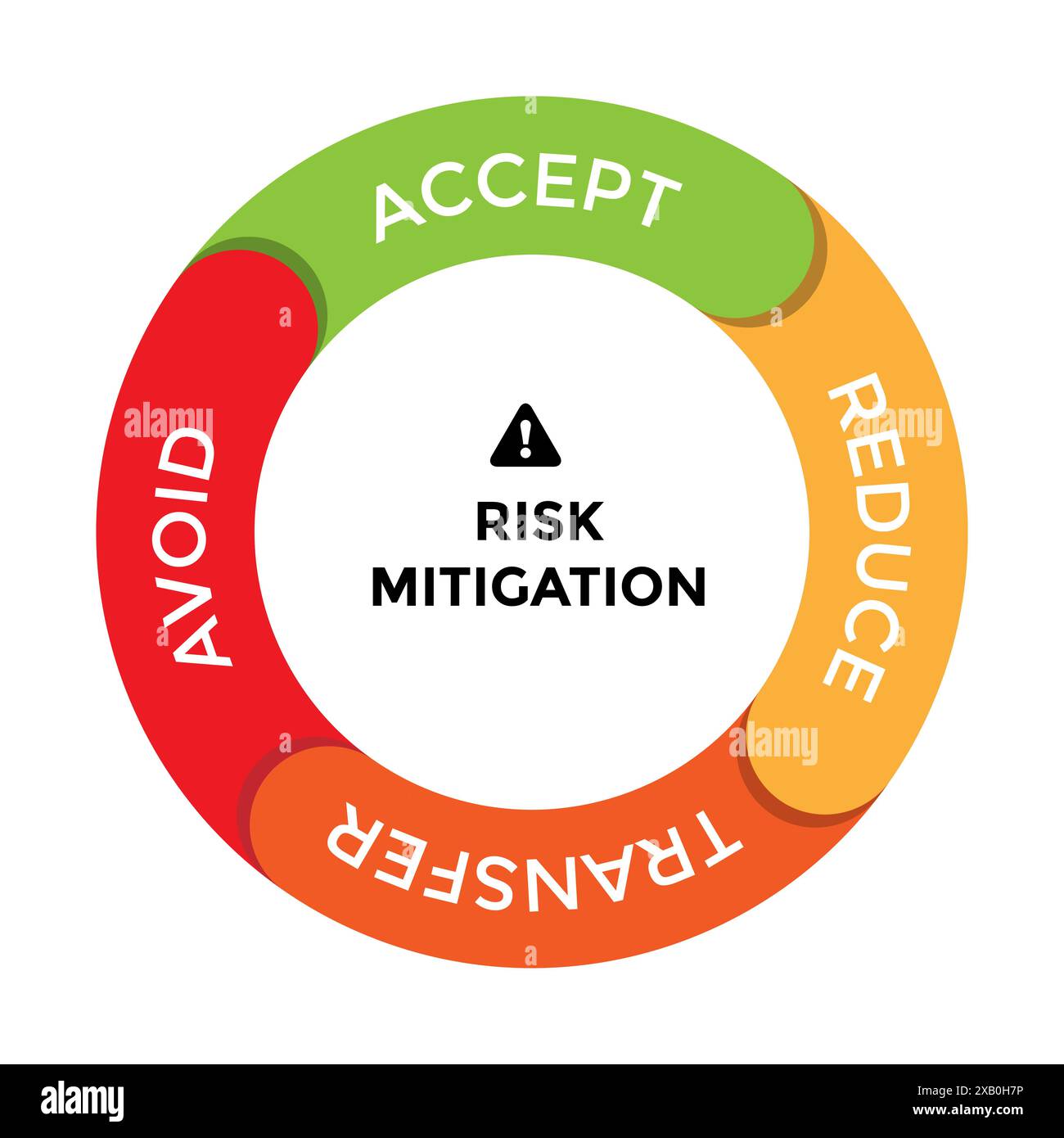
Assessment strategies Stock Vector Images - Alamy
Avoid Verb Forms – Past Tense Of Avoid Past Participle & V1 V2 V3 V4
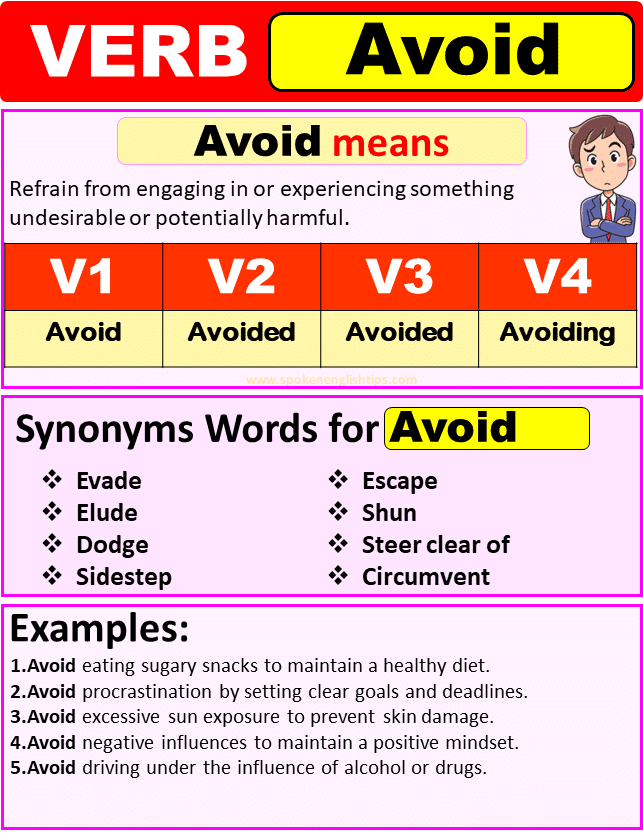
Avoid Verb Forms – Past Tense Of Avoid Past Participle & V1 V2 V3 V4