Across centuries, military service has shifted from ad‑hoc tribal levies to highly organized professional forces, and at the heart of that transformation lies the non‑commissioned officer (NCO). By tracing the structural changes that have shaped armies and examining the expanding responsibilities of NCOs, we can see why today’s enlisted leaders matter as much as strategic planners in delivering mission success.
From Tribal Bands to Standing Armies – Why Structure Matters
Early societies relied on volunteers who fought when called, a model that offered flexibility but left command fragmented. The emergence of standing armies in the Classical era introduced permanent hierarchies, standardized training, and a clear chain of command. This shift gave rise to the first “middle‑rank” leaders—precursors to modern NCOs—who ensured that orders from commanders translated into coordinated action on the battlefield.
The benefits were immediate: units could rehearse drills, maintain discipline, and deploy with predictable performance. Yet, a permanent force also demanded sustained funding and a professional ethos that many early states struggled to support.
Non‑Commissioned Officers: The Bridge Between Strategy and the Squad
Modern NCOs act as the connective tissue between commissioned officers’ strategic intent and the day‑to‑day reality of enlisted soldiers. Their duties span technical mentorship, welfare oversight, and rapid decision‑making under fire. Because NCOs spend the most time with junior troops, they shape unit culture, enforce standards, and identify talent for future leadership pipelines.
This “hands‑on” role yields two practical benefits: faster execution of complex orders and a reliable feedback loop that informs senior planners about ground‑level challenges.
Professionalization vs. Citizen‑Soldier Models – The Trade‑offs
Professional armies invest heavily in career development, offering NCOs extensive schooling, specialized certifications, and long‑term benefits. The payoff is a highly skilled cadre capable of operating sophisticated platforms—from cyber‑defense suites to precision artillery. However, the cost of maintaining such expertise can strain defense budgets, especially in peacetime.
Conversely, reserve‑oriented or citizen‑soldier forces keep personnel costs low and maintain a strong link to civilian society, but they often face gaps in readiness and leadership continuity. NCOs in these models must balance civilian careers with periodic training, which can limit the depth of tactical proficiency they can achieve.
Realistic Expectations for Modern Enlisted Leadership
Today's NCOs are expected to be both technical experts and compassionate mentors. They must navigate a landscape where technology evolves faster than doctrine, meaning continuous learning is a job requirement, not a perk. At the same time, they are tasked with preserving unit cohesion amid diverse social backgrounds and increasing operational tempo.
For aspiring soldiers, understanding this dual expectation helps set realistic career goals: invest in both skill certifications and people‑skills training. For policymakers, recognizing the cost‑benefit balance of NCO development can guide resource allocation—whether to expand professional schools, enhance mentorship programs, or integrate more flexible reserve pathways.
Implications for the Future of Military Service
As warfare becomes more networked and multi‑domain, the role of the NCO will likely expand into areas such as data analysis, autonomous system oversight, and cross‑cultural liaison work. The evolution that began with a simple camp fire guard now points toward a future where enlisted leaders are indispensable architects of mission success, not just executors of orders.
Understanding this trajectory equips newcomers and veterans alike to appreciate the strategic value embedded in the rank-and‑file, and it underscores why investing in NCO development remains a cornerstone of any effective military force.
Visualized: The 4 Billion Year Path Of Human Evolution
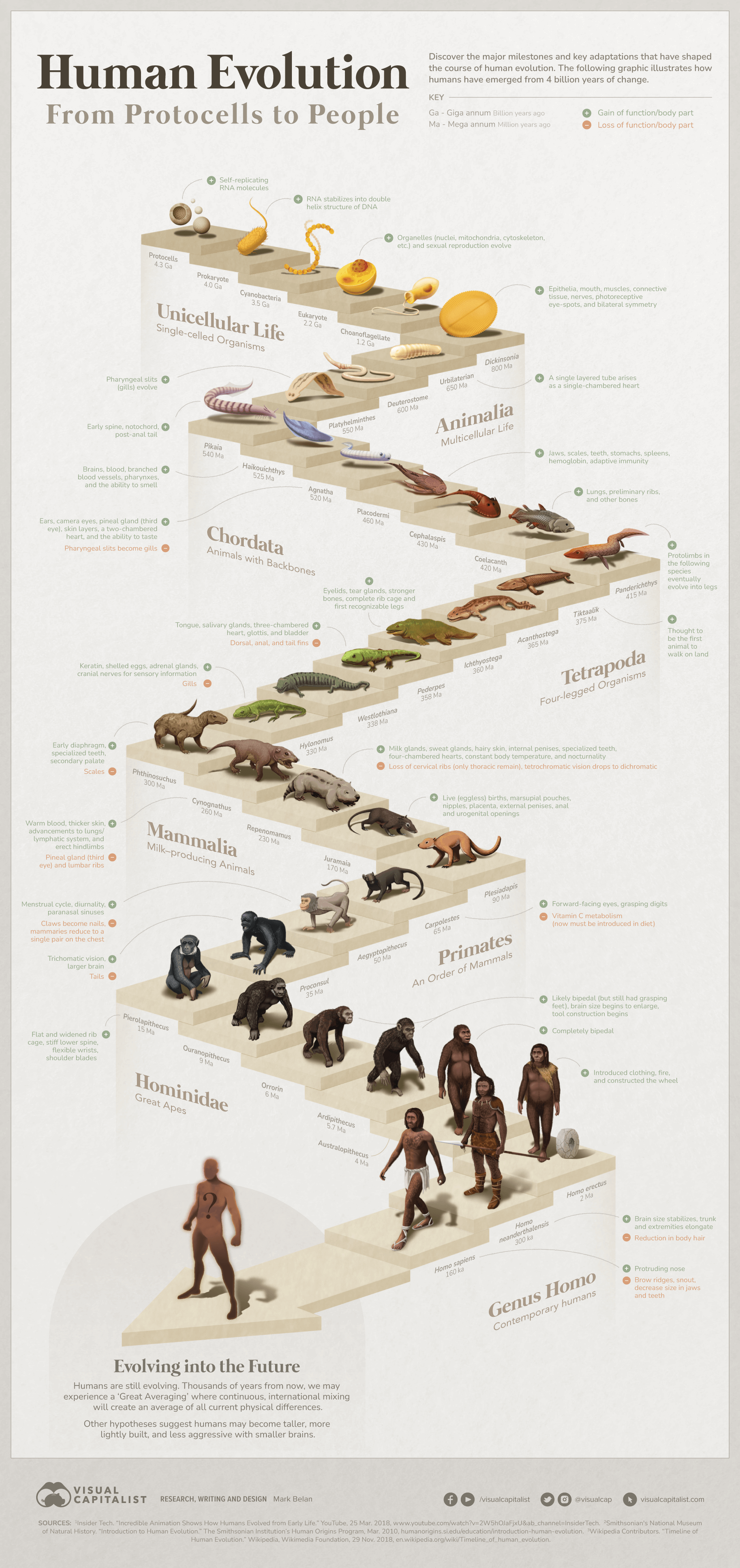
Human Evolution Timeline

Human Evolution Groundbreaking Discovery: New Human Species Unearthed