Finding the right words for a first‑time Pictionary night can feel like a puzzle itself, but the right mix of familiar objects and clear shapes turns a tentative gathering into a lively, confidence‑building game. Below is a quick guide that outlines which starter words work best, why they’re effective, and how to avoid common pitfalls, so anyone can jump in and draw with ease.
Identify the Core Problem: Over‑Complicated Prompts Stall Play
Beginners often reach for clever or abstract terms, only to discover that vague concepts slow the pace and frustrate players. When a drawing takes more than a minute to be guessed, momentum drops and the fun fizzles. The solution is to focus on nouns that translate into bold, recognizable silhouettes—think “puppy,” “bee,” “ball” or “tree.” These objects have simple outlines and are part of everyday life, which keeps the guessing round fast and inclusive.
Pick Words with Strong Visual Cues
Choosing words that lend themselves to unmistakable shapes gives drawers a clear starting point. Below are three categories that consistently deliver quick recognitions:
- Pets and Animals – “puppy,” “cat,” “bird.” Small details like floppy ears or a wagging tail make the image pop.
- Nature Items – “bee,” “sun,” “leaf.” Simple lines and familiar patterns help teammates picture the answer instantly.
- Everyday Objects – “ball,” “cup,” “book.” Straight edges or distinctive features (a handle, a spine) are easy to sketch under time pressure.
Draw Like a Pro: Step‑by‑Step Tips for Each Word
Even a novice can produce a recognizable sketch by following a few basic strokes. The images below illustrate how a simple “puppy” and a “bee” can be broken down into manageable parts.

Start with a rounded rectangle for the head, add two floppy ears, and finish with a small oval for the nose. The key is to keep lines bold and avoid excessive detail.
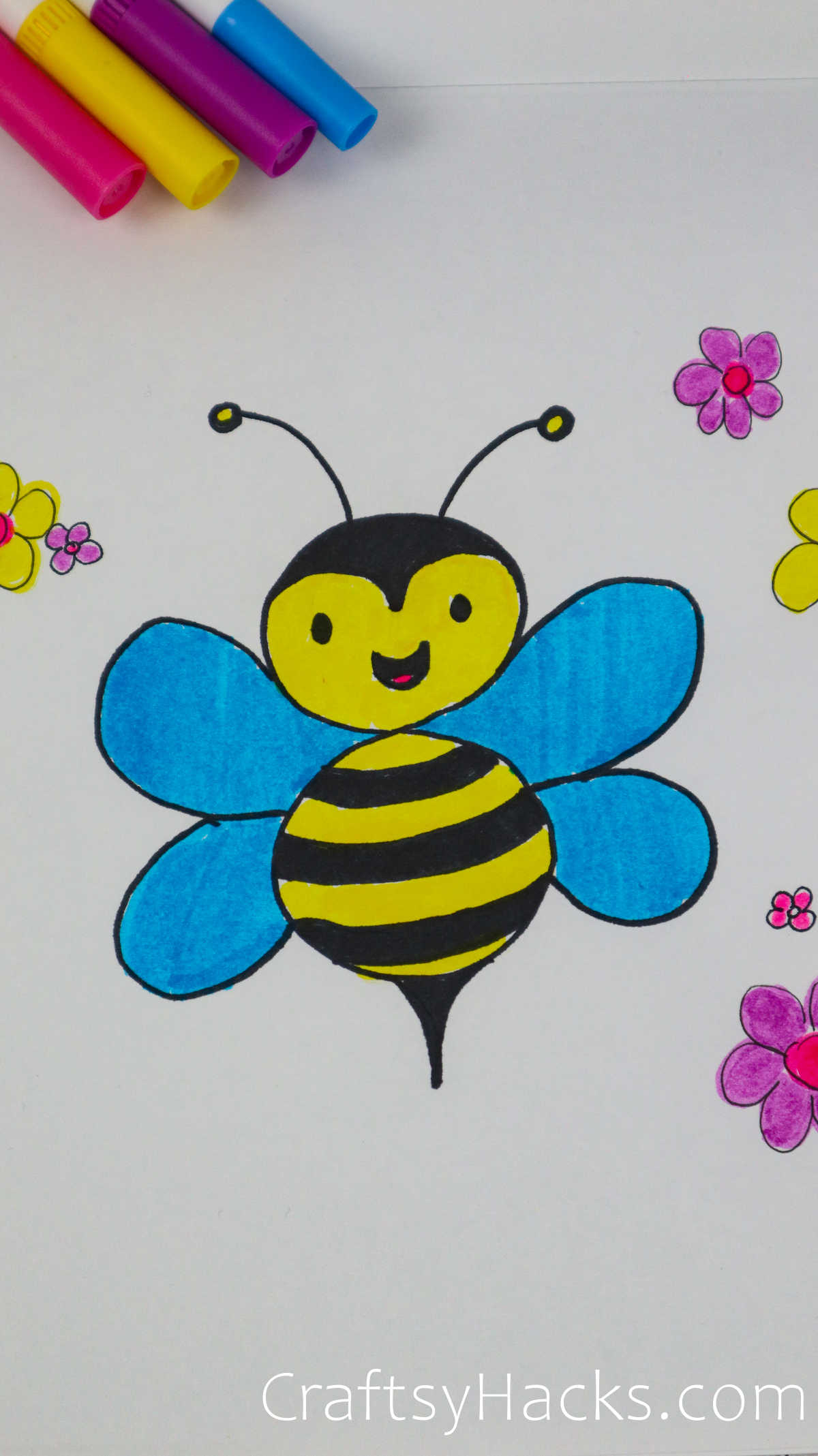
For a bee, sketch an oval for the body, add a few short lines for stripes, and attach two tiny wings. A single line for the stinger completes the image without clutter.
Balance Pros and Trade‑offs: When Simple Words Aren’t Enough
Using only ultra‑simple words can make the game feel predictable, especially for groups that improve quickly. The trade‑off is between accessibility and challenge. To keep the experience fresh, consider layering difficulty:
- Begin with “puppy” or “bee” for the first round to build confidence.
- Introduce “bicycle” or “castle” in the second round—still recognizable but with more components.
- Save abstract ideas like “freedom” for seasoned players who have honed their visual shorthand.
This progression respects beginners’ learning curves while still offering room for growth.
Set Realistic Expectations: What New Players Can Actually Achieve
Even with perfect word choices, first‑time drawers should expect a few misfires. A typical beginner may guess correctly about 60‑70% of the time when using clear, concrete nouns. Expect occasional confusion over similar shapes (e.g., “cat” vs. “dog”) and allow a brief pause for the drawer to adjust. Emphasizing a supportive atmosphere—cheering effort rather than perfection—helps maintain enthusiasm.
Action Steps to Launch Your First Game Night
- Compile a list of 20–30 starter words, mixing pets, nature items, and household objects.
- Print or display the words on cards; keep the font large for quick reference.
- Run a quick practice round using “puppy” and “bee” to demonstrate the simple sketch technique.
- Set a timer of 60 seconds per turn; remind players that bold lines beat intricate details.
- After the game, ask participants which words felt too vague and adjust the list for next time.
Implications for Community Gatherings and Classroom Activities
Adopting a curated set of easy Pictionary words can transform casual get‑togethers, after‑school clubs, or team‑building sessions. By lowering the entry barrier, hosts encourage broader participation, improve group cohesion, and even reinforce visual‑thinking skills. Over time, the same framework can be expanded to thematic rounds—holiday motifs, local landmarks, or subject‑specific vocabulary—without sacrificing the beginner‑friendly foundation.
In short, the secret to a smooth start lies in selecting words that translate into bold, unmistakable silhouettes and pairing them with straightforward drawing tactics. With the right word pool and a few practice sketches, newcomers quickly move from hesitant doodlers to confident illustrators, keeping the game lively and inclusive for everyone.
Easy Things To Draw For Kids Cool Drawing Pictures For Kids To Draw At
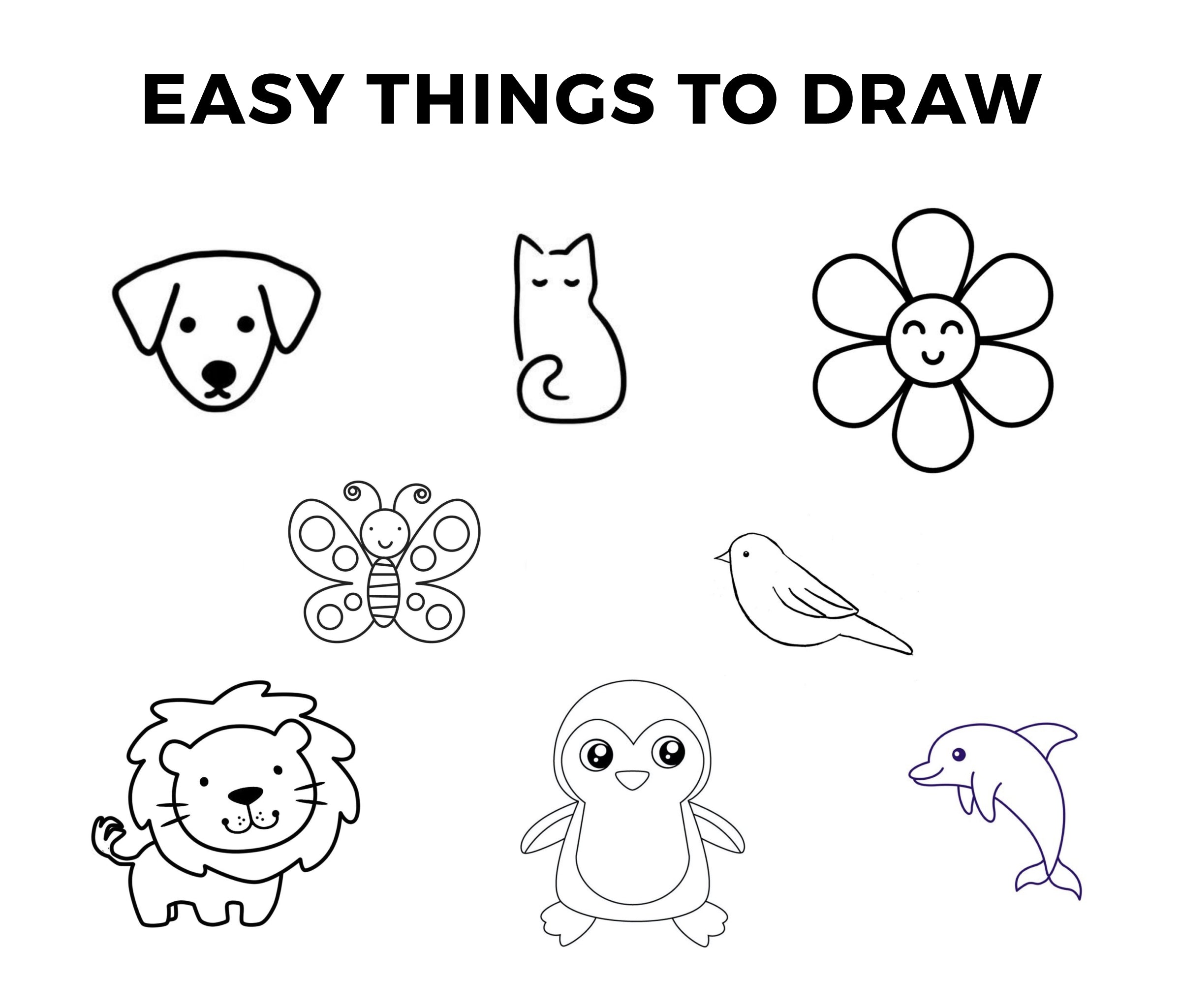
Easy Things To Draw For Kids Cool Drawing Pictures For Kids To Draw At
How To Master Drawing Ideas Easy Step By Step Without Overthinking It

How to Master Drawing Ideas Easy Step by Step Without Overthinking It ...
How To Draw A Otter Step By Step (with Pictures) | Simple Easy Drawing
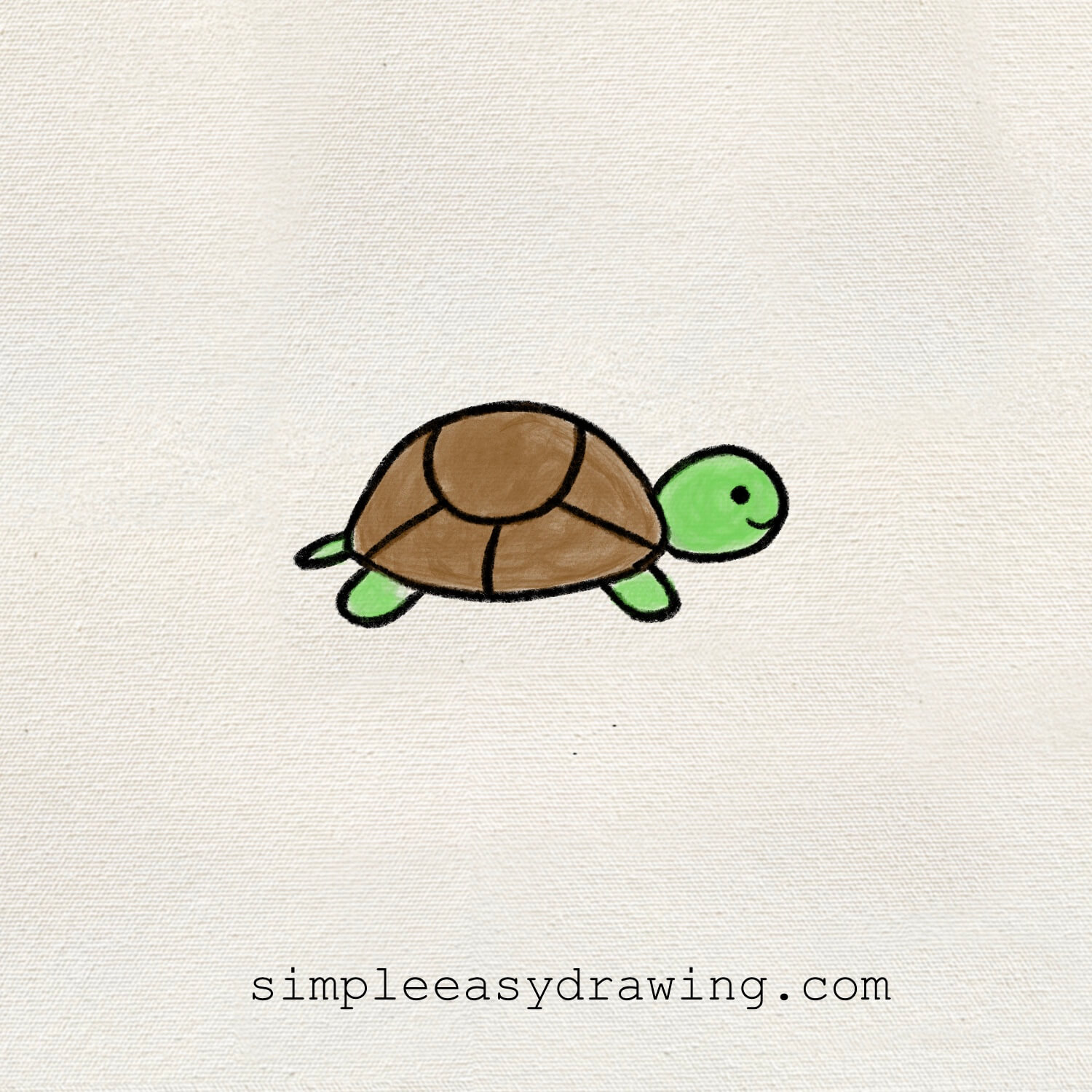
How to draw a otter step by step (with pictures) | Simple Easy Drawing ...