CMU students and faculty juggle research deadlines, class schedules, and extracurricular commitments, making the choice between a digital or physical calendar a practical decision that can affect productivity, collaboration, and stress levels.
Why the Calendar Choice Matters at CMU
Campus life is a blend of in‑person labs, remote seminars, and hybrid events. A digital calendar syncs across smartphones, laptops, and tablets, while a physical planner offers tactile visibility on a desk or wall. The trade‑off isn’t just about technology; it’s about how information is consumed in varying environments—from crowded libraries to off‑site field sites.
When Digital Wins: Real‑World Scenarios
Scenario: Multi‑device sync for research teams
In a data‑science lab, teammates frequently switch between university workstations and personal laptops. A shared digital calendar (e.g., Google Calendar) updates in real time, eliminating double‑booking and ensuring that experiment milestones appear on every device instantly.
Scenario: Automated reminders for commuter students
Students who travel between Pittsburgh and satellite campuses benefit from push notifications that trigger minutes before a class or meeting. The ability to set custom alerts reduces missed appointments without requiring daily manual checks.
When Physical Beats Digital: Practical Situations
Scenario: Offline access for field‑work labs
Anthropology or environmental science courses often involve weeks away from reliable internet. A printed CMU calendar pinned to a field notebook provides a reliable reference that can’t be disabled by a dead battery or signal loss.
Scenario: Visual planning on a wall for project timelines
Large‑scale engineering projects benefit from a wall‑mounted monthly planner where sticky notes can be moved, colored, and grouped at a glance. The physical layout makes it easier for teams to identify bottlenecks and reallocate resources without navigating digital menus.
Pros and Cons at a Glance
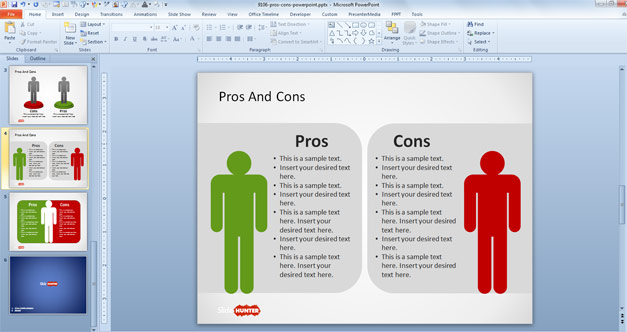
- Digital: instant updates, automated reminders, searchable entries, eco‑friendly.
- Digital: reliance on battery/internet, screen fatigue, privacy concerns with cloud storage.
- Physical: always accessible, visual prominence, no technical glitches.
- Physical: manual entry, limited portability, harder to share across groups.
Decision Framework: How to Pick the Right Calendar
Start by mapping your daily workflow:
- Connectivity – If you’re online most of the day, digital sync saves time.
- Mobility – Frequent travel or field work favors a printable or pocket planner.
- Collaboration – Teams that need shared visibility should adopt a cloud‑based calendar.
- Learning style – Visual planners on a wall help those who process information spatially.
- Security – Sensitive research dates may be safer in a locked physical binder.
By evaluating these criteria, CMU community members can align their calendar choice with the demands of their academic and personal schedules, ensuring that the tool supports rather than hinders their goals.
PROS Q2 Earnings: 12% Revenue Growth, Raises 2025 Outlook On AI

PROS Q2 Earnings: 12% Revenue Growth, Raises 2025 Outlook on AI ...
The Challenge: Champs Vs. Pros - Wikipedia
The Challenge: Champs vs. Pros - Wikipedia
PROS Holdings, Inc. Reports Second Quarter 2024 Financial Results

PROS Holdings, Inc. Reports Second Quarter 2024 Financial Results
AI Pros And Cons – How Do Societies Fare With Great Power?

AI Pros And Cons – How Do Societies Fare With Great Power?