Turning a traditional slide deck into a Jeopardy‑style game is gaining traction among trainers, sales teams, and educators who want to boost engagement without sacrificing content quality. The approach replaces passive listening with interactive competition, letting participants select categories, wager points, and answer clues directly on familiar slide platforms. Below is a practical breakdown of how the method works, where it shines, and the compromises you should anticipate before committing resources.
How Does Slides Jeopardy Actually Work?
At its core, Slides Jeopardy repurposes a standard presentation file—PowerPoint, Google Slides, or Keynote—into a clickable board. Each “category” becomes a slide hyperlink, and every “question” is a hidden slide that reveals the answer after a timer expires or a response is given. Most creators rely on simple built‑in features: shape actions, slide transitions, and optional add‑ins that automate score‑keeping. The result is a self‑contained game that runs on any device with the original slide software, eliminating the need for third‑party platforms.
What Are the Primary Advantages Over Traditional Lectures?
- Higher Retention. Studies on active learning consistently show that recall‑based activities improve memory by up to 30% compared to passive note‑taking.
- Immediate Feedback. Participants hear whether an answer is correct instantly, allowing presenters to clarify misconceptions on the spot.
- Scalable Interaction. A single game can accommodate ten to fifty players, making it suitable for both small workshops and corporate town halls.
- Low Technical Overhead. Because the game lives inside a familiar slide file, there’s no need for separate accounts, installations, or network dependencies.
Which Situations Reveal the Trade‑offs?
While the format is attractive, it isn’t a universal replacement for every presentation style. Consider the following scenarios:
- Complex Data Sets. If your material relies on deep statistical analysis, the quick‑fire nature of Jeopardy may oversimplify key insights.
- Time‑Sensitive Audiences. Participants who prefer concise briefings might find the game’s pacing disruptive, especially if rounds run longer than anticipated.
- Technical Constraints. Organizations that lock down slide editing permissions or lack reliable projection equipment could face hurdles implementing interactive hyperlinks.
What Realistic Expectations Should Decision‑Makers Set?
Implementing Slides Jeopardy is not a plug‑and‑play solution; success hinges on thoughtful design and rehearsal.
- Preparation Time. Expect to allocate 2–3 hours for board layout, clue writing, and testing transitions, plus a brief run‑through with a co‑host to manage scores.
- Facilitation Skill. The presenter must balance game mechanics with content delivery, prompting discussion after each answer to reinforce learning.
- Participant Buy‑in. A quick pre‑session poll can gauge willingness to play, helping avoid resistance from audiences accustomed to lecture‑only formats.
How Does Slides Jeopardy Compare With Dedicated Game Platforms?
Dedicated tools such as Kahoot! or Mentimeter provide built‑in analytics, live leaderboards, and mobile polling, but they often require separate accounts and subscription fees. Slides Jeopardy, by contrast, offers:
| Feature | Slides Jeopardy | Dedicated Platform |
|---|---|---|
| Cost | Free (software you already own) | Usually subscription‑based |
| Setup Complexity | Medium (requires slide design) | Low (template‑driven) |
| Data Capture | Manual or add‑in dependent | Automatic reporting |
| Device Compatibility | Any device running the slide viewer | Web‑browser or app, may need internet |
What Steps Should Organizations Take to Pilot the Format?
- Identify a recent presentation with at least three clear topics that can become categories.
- Draft 4–5 clues per category, aligning difficulty with the audience’s expertise level.
- Build the board using shape hyperlinks; test on the exact hardware that will be used for the live session.
- Run a 10‑minute pilot with a small internal team to refine timing and scoring rules.
- Collect feedback on engagement, clarity, and perceived learning value before scaling to larger groups.
What Long‑Term Implications Could This Have for Training Budgets?
When executed well, Slides Jeopardy can reduce reliance on external e‑learning modules, as the same slide file doubles as a reusable game asset. Over a year, organizations may save on licensing fees and external facilitator costs, redirecting funds toward content development or advanced analytics tools. However, the initial design effort must be budgeted, and ongoing updates are required whenever core material changes.
In sum, transforming presentations into a Jeopardy‑style game offers measurable engagement gains and cost efficiencies, provided leaders account for design time, facilitator readiness, and audience fit. By treating the game as an extension—not a replacement—of the underlying content, teams can harness competitive dynamics while preserving the educational intent of their slides.
Transform Fault Fence Transform Plate Boundaries Geology (U.S.

Transform Fault Fence Transform Plate Boundaries Geology (U.S.
3.0 Plate Boundaries (overview) - DGGV

3.0 Plate Boundaries (overview) - DGGV
Transform Plate Boundary

Transform Plate Boundary
Plate Boundaries Convergent Divergent Transform

Plate Boundaries Convergent Divergent Transform
Plate Tectonics - Licchavi Lyceum
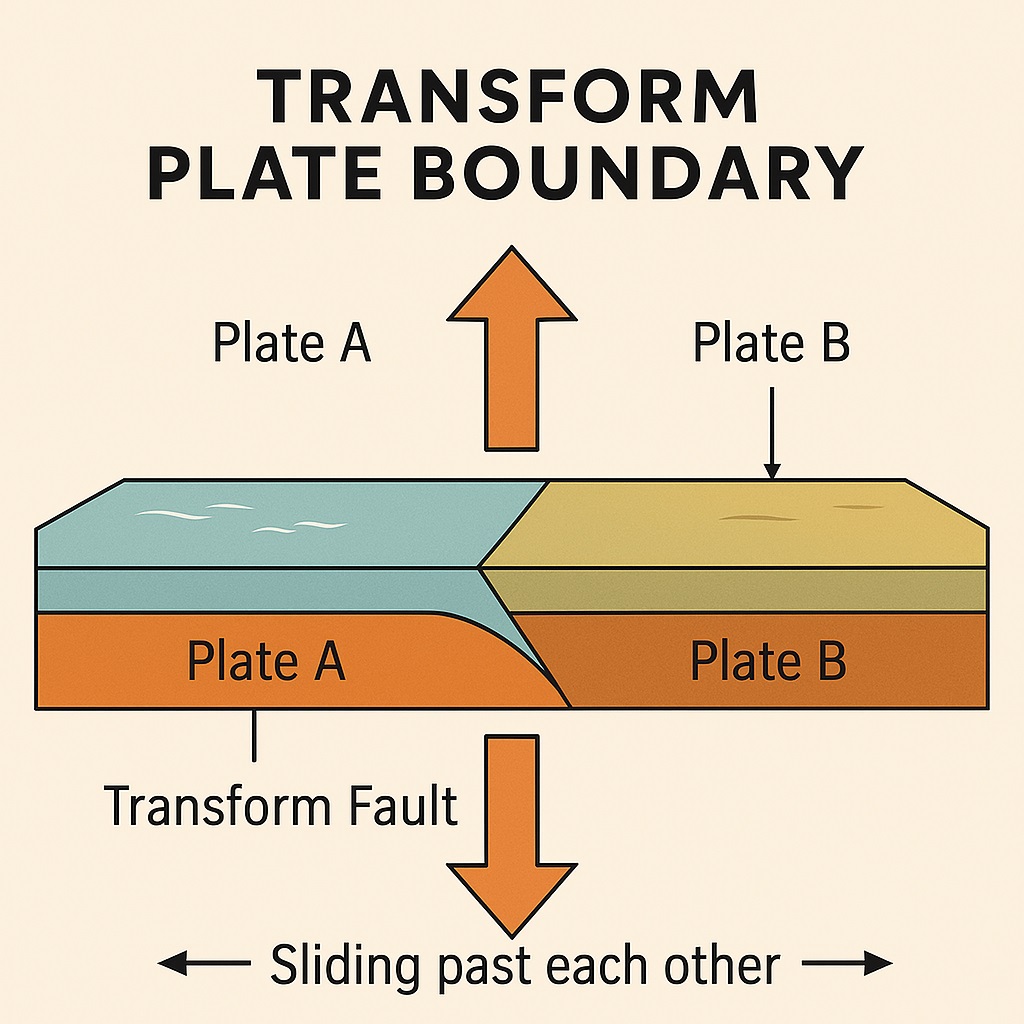
Plate Tectonics - Licchavi Lyceum