Colorado’s high‑altitude climate offers a natural advantage for indoor air quality, yet many residents overlook simple strategies that let the Rocky Mountain breeze improve health, productivity, and comfort at home. By pairing modern ventilation technology with time‑tested passive methods, homeowners can turn the state’s crisp, clean air into a daily indoor benefit without sacrificing energy efficiency.

Why Colorado’s Mountain Air Is a Competitive Edge
The Front Range sits above 5,000 feet, where pollen counts are lower, humidity is moderate, and outdoor pollutants disperse quickly. This baseline translates into fewer indoor contaminants when fresh air is introduced properly. Studies of high‑elevation homes show reduced rates of respiratory irritation and better sleep quality, especially during the dry summer months when indoor humidity can drop below 30 %.
Choosing the Right Whole‑House Ventilation System
Two main technologies dominate the Colorado market:
- Energy‑Recovery Ventilators (ERVs) – capture heat (or cool) from outgoing air and transfer it to incoming fresh air, preserving indoor temperature while maintaining humidity balance.
- Heat‑Recovery Ventilators (HRVs) – ideal for the colder winter season, they reclaim up to 80 % of heat, preventing the indoor environment from feeling drafty.
When evaluating models, prioritize:
- CFM rating that matches the home’s square footage (roughly 0.35 CFM per square foot for typical residences).
- Installation flexibility – ducted versus ductless units for retrofits.
- Noise level – a decibel rating below 45 dB ensures quiet operation during night‑time ventilation.
Passive Strategies That Complement Mechanical Systems
Even with an ERV or HRV, simple design choices amplify fresh‑air intake:
- Strategically placed operable windows on opposite walls create cross‑ventilation, especially during the afternoon mountain breezes.
- Exterior shading devices, such as pergolas or low‑slung awnings, reduce solar gain, allowing windows to stay open longer without overheating interiors.
- Landscaped windbreaks – rows of native evergreens – can moderate strong gusts while still permitting airflow.

Smart Controls and Real‑Time Monitoring
Integrating ventilation with home automation platforms (e.g., Nest, Ecobee, or Apple HomeKit) enables schedules that align with occupancy patterns. Sensors that track indoor CO₂, temperature, and relative humidity can trigger the system only when thresholds are crossed, saving energy while guaranteeing fresh air when needed. Many Colorado homeowners pair these sensors with outdoor weather stations to pre‑emptively adjust ventilation during high pollen days or wildfire smoke events.
Maintaining Indoor Quality Year‑Round
Seasonal maintenance is key to sustaining performance:
- Spring – replace or clean ERV/HRV filters, inspect duct seals for debris after winter snow melt.
- Summer – verify that humidity‑balancing features are active; low indoor humidity can cause static electricity and dry skin.
- Fall – check exterior vents for leaf buildup, and schedule a professional inspection before heating season.
- Winter – ensure condensate drains are clear to avoid freeze‑over, and confirm that heat‑recovery efficiency remains above 75 %.
By following these steps, Colorado homeowners can leverage the state’s natural advantage—clean, high‑altitude air—and transform it into a consistent indoor benefit. The result is a healthier living environment that respects the region’s commitment to sustainability and the outdoors.
Colorado Mountains Landscape · Free Photo On Pixabay

Colorado Mountains Landscape · Free photo on Pixabay
Estes Park Colorado Mountain Valley Free Stock Photo - Public Domain
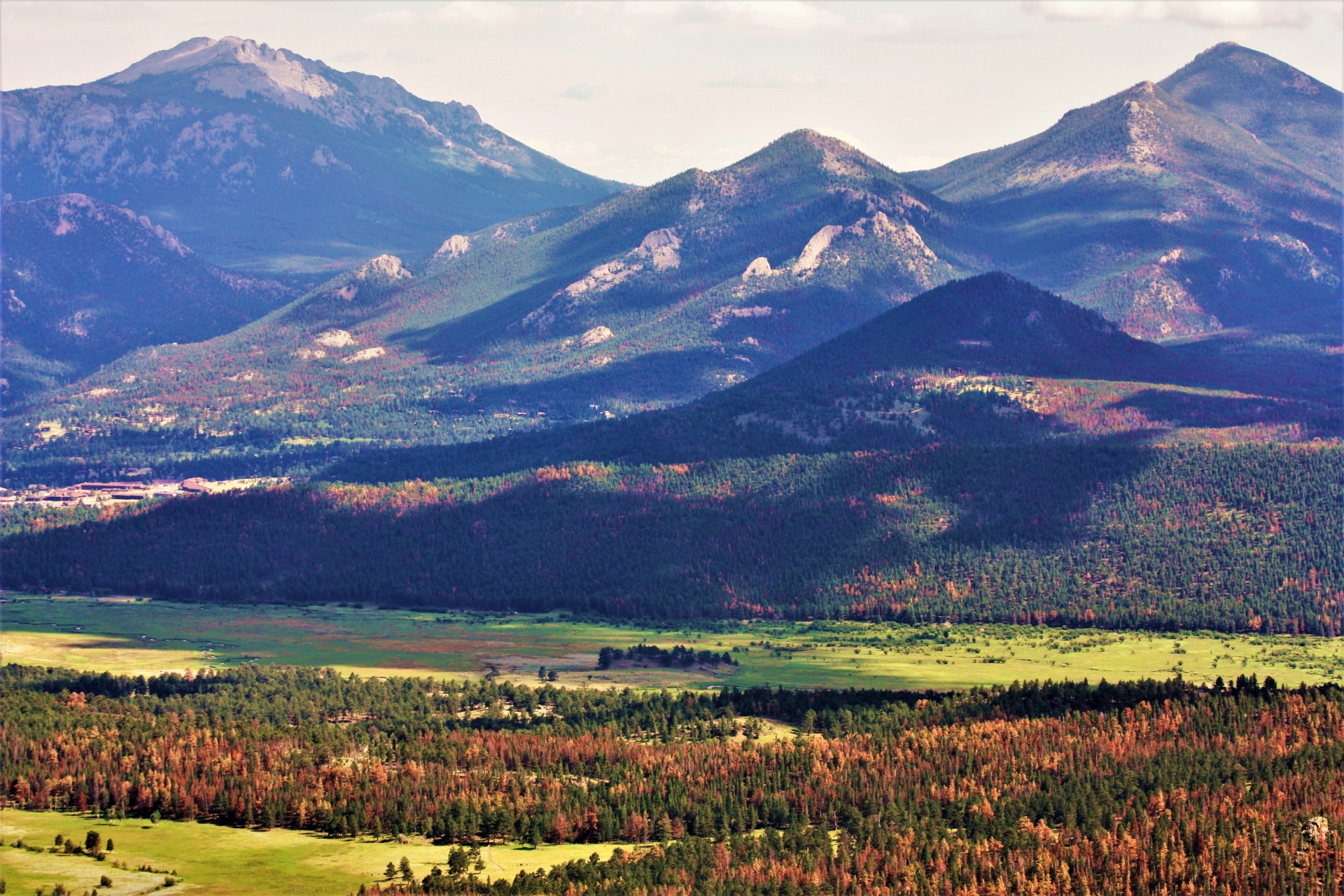
Estes Park Colorado Mountain Valley Free Stock Photo - Public Domain ...
Free Images : Landscape, Wilderness, Snow, Sandstone, Valley, Mountain

Free Images : landscape, wilderness, snow, sandstone, valley, mountain ...