IQ scores are often treated as a single, definitive verdict on intelligence, yet the numbers on a standard scale conceal a nuanced portrait of cognitive strengths, learning styles, and potential pitfalls. By unpacking the range categories—below 85, 85‑115, 115‑130, and above 130—researchers can turn a raw figure into actionable insight while sidestepping the most common myths that inflate expectations or fuel self‑doubt.
Decoding the Scale: Where Numbers Meet Theory
The modern IQ test is anchored to a mean of 100 and a standard deviation of 15. Scores cluster around this midpoint, creating four practical bands:
- Below 85: Often labeled “below average,” this zone may highlight specific processing challenges that benefit from targeted interventions.
- 85‑115: The “average” bracket, encompassing roughly 68 % of the population, reflects a broad range of everyday problem‑solving abilities.
- 115‑130: Scores here signal above‑average reasoning skills, frequently linked to rapid learning in abstract domains.
- 130+: The “gifted” range, representing the top 2 % of test‑takers, where advanced pattern recognition and strategic thinking become pronounced.
These categories are statistical, not prescriptive; they merely set a comparative backdrop for deeper analysis.
What the Scores Actually Measure
IQ assessments focus on three core domains:
- Verbal comprehension – vocabulary, analogies, and reading comprehension.
- Working memory – short‑term retention and manipulation of information.
- Fluid reasoning – abstract problem solving and pattern detection.
Because each subtest contributes a weighted slice of the final score, a high overall IQ can mask a relative weakness in one area. For a detail‑oriented researcher, isolating the subscore patterns is often more valuable than the composite figure.
Translating Scores into Real‑World Strengths
Understanding your placement can guide career choices, study strategies, and personal development plans.
- Below 85: Structured environments, explicit instruction, and assistive technologies (e.g., memory‑aiding apps) tend to boost performance.
- 85‑115: Versatility shines here; professionals can leverage a balanced skill set across collaborative projects and routine analysis.
- 115‑130: Rapid abstraction supports roles in research design, data modeling, and strategic planning.
- 130+: Complex systems thinking and innovative problem solving open doors to high‑impact research, theoretical work, and leadership in R&D.
Common Misinterpretations—and Why They Matter
Two pitfalls repeatedly surface in discussions about IQ:
Equating IQ with “overall worth”
Intelligence is multidimensional. Emotional intelligence, creativity, and practical know‑how fall outside the conventional IQ net, yet they critically shape outcomes in both personal and professional arenas.
Assuming a static ceiling
While the raw score reflects performance at a point in time, longitudinal studies show that targeted cognitive training, enriched environments, and lifelong learning can shift subtest profiles, sometimes nudging the composite upward.
Using Your IQ Score Wisely
For researchers who thrive on precision, the following steps maximize the utility of an IQ report:
- Request a detailed breakdown of verbal, working‑memory, and fluid‑reasoning scores.
- Map each subscore to current responsibilities—e.g., align strong fluid reasoning with data‑analysis tasks.
- Identify any lower‑scoring domains and explore evidence‑based interventions (brain‑training apps, memory workshops, or mentorship).
- Combine the IQ profile with other assessments—personality inventories, creativity tests—to construct a holistic competence map.
Bottom Line: A Score, Not a Sentence
The IQ range scale score is a diagnostic snapshot, not a life sentence. By interpreting the numbers through the lenses of subtest composition, real‑world application, and known limitations, detail‑oriented researchers can extract genuine benefit while guarding against the overconfidence or self‑limiting beliefs that often accompany raw scores.
PPT - Freshman English Conversation PowerPoint Presentation, Free
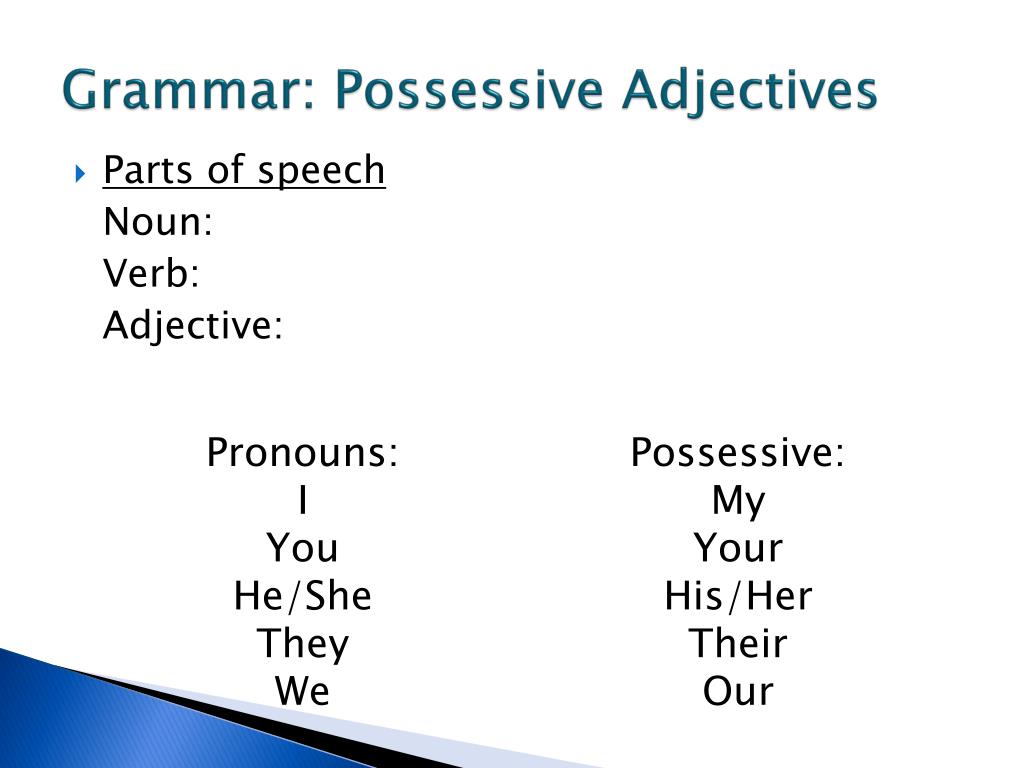
PPT - Freshman English Conversation PowerPoint Presentation, free ...
Possessive Adjectives . Possessive Pronouns | PPT

Possessive adjectives . possessive pronouns | PPT
Possessive Adjectives | Woodward English
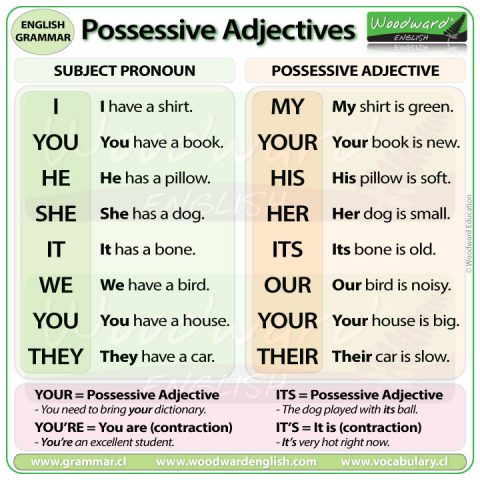
Possessive Adjectives | Woodward English
PPT - BASICS OF ENGLISH GRAMMAR PowerPoint Presentation, Free Download
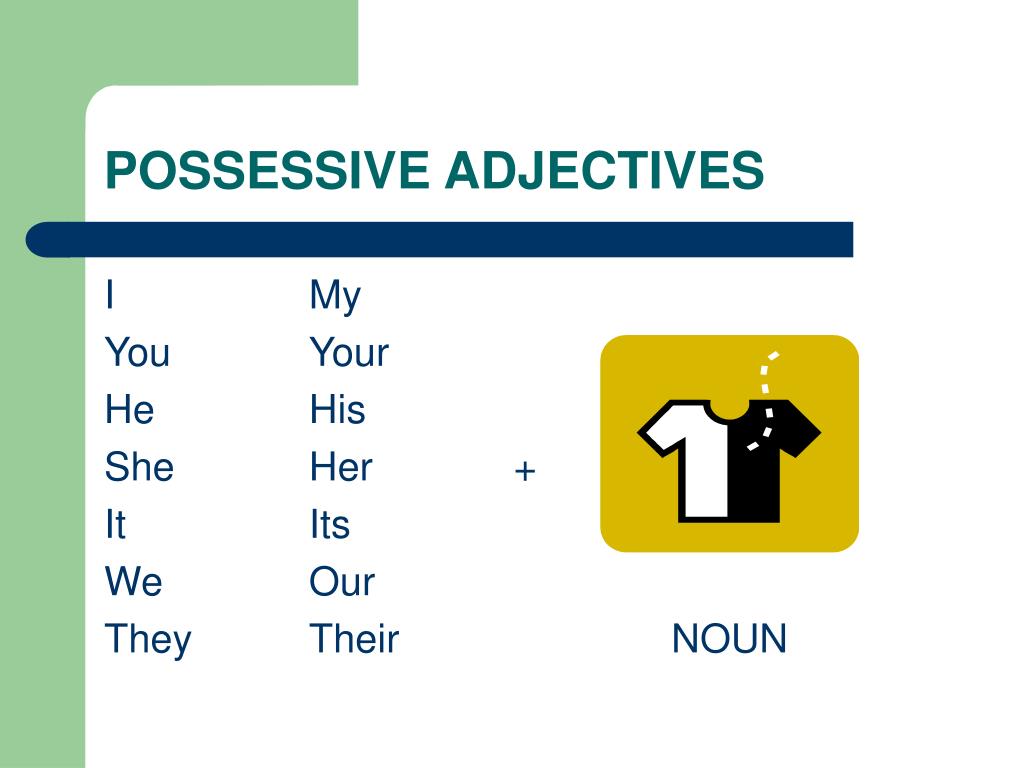
PPT - BASICS OF ENGLISH GRAMMAR PowerPoint Presentation, free download ...
Possessive Adjectives| I-my, You-your - YouTube

Possessive adjectives| I-my, you-your - YouTube