If you’ve ever stared at a blank nail canvas and felt stuck, the surge of fresh template designs hitting salons and DIY kits this season might be your ticket out of the rut. From 3‑D embossed motifs to minimalist negative‑space grids, these hidden‑gem styles are reshaping how trend‑savvy readers refresh their fingertips without hours of brushwork.
What Exactly Is a Nail Template and Why Is It Gaining Momentum?
A nail template is a pre‑cut stencil—often silicone or thin polymer—that you press onto the nail surface before adding polish or gel. The result is a crisp, repeatable pattern that can be achieved in minutes. The recent buzz stems from two factors: social‑media micro‑influencers showcasing ultra‑quick “one‑step” looks, and manufacturers releasing limited‑edition packs that sync with seasonal color palettes.
Which Template Styles Are Still Under the Radar?
Most readers recognize classic lace or marble stencils, but here are three emerging designs that haven’t saturated the market yet:
- Geologic Grid: A faint, intersecting line pattern reminiscent of tectonic plates, perfect for a subtle, architectural vibe.
- Negative‑Space Arcs: Semi‑transparent arches that let the natural nail peek through, creating a breathable yet polished finish.
- 3‑D Textured Pebbles: Tiny raised bumps that catch light, adding depth without the need for actual gems.
How Do You Apply These Templates for a Salon‑Quality Finish?
Step‑by‑step, the process is straightforward:
- Start with clean, lightly buffed nails; a thin layer of base coat improves adhesion.
- Place the template on the nail, ensuring it sits flush without gaps.
- Apply a thin layer of your chosen polish using a brush or sponge; excess drips are wiped away with a cotton swab.
- While the polish is still tacky, gently peel the template off to reveal the crisp design.
- Seal with a top coat to lock in the pattern and add shine.
The trick is to work quickly—once the polish cures, the template can tug at the surface and blur the edges.
Where Can Trend‑Aware Readers Find These “Hidden” Templates?
Beyond the big‑box retailers, niche e‑commerce sites and independent artisans on platforms like Etsy now offer limited‑run sets. Look for keywords such as “architectural nail stencil” or “3‑D pebble nail mold” to filter out the mainstream options. Subscription boxes for nail enthusiasts also rotate exclusive templates each month, giving you a chance to experiment without a hefty upfront investment.
What Does This Mean for Everyday Nail Lovers?
These fresh templates democratize high‑fashion nail art. No longer do you need a steady hand or a professional’s budget; a few minutes with a new stencil can transform a plain manicure into a runway‑ready statement. For busy professionals, the speed factor translates into more confidence at meetings; for party‑goers, it adds an unexpected pop that complements any outfit.
Is There a Downside to Relying on Templates?
While templates simplify design, they can limit creative spontaneity. If you love improvising with freehand shading, a rigid stencil might feel restrictive. Additionally, the silicone material can wear down after repeated use, so keeping a backup set is wise for heavy users.
What’s the Bottom Line for Readers Ready to Upgrade Their Nail Game?
Embracing these lesser‑known template styles offers a low‑commitment, high‑impact way to refresh your look. Pick a design that resonates with your wardrobe—whether it’s the subtle grid for a professional setting or the bold 3‑D pebble for a night out—and let the template do the heavy lifting. In a world where visual details matter, a well‑chosen nail template might just become your new signature accessory.
Plate Tectonics - Licchavi Lyceum
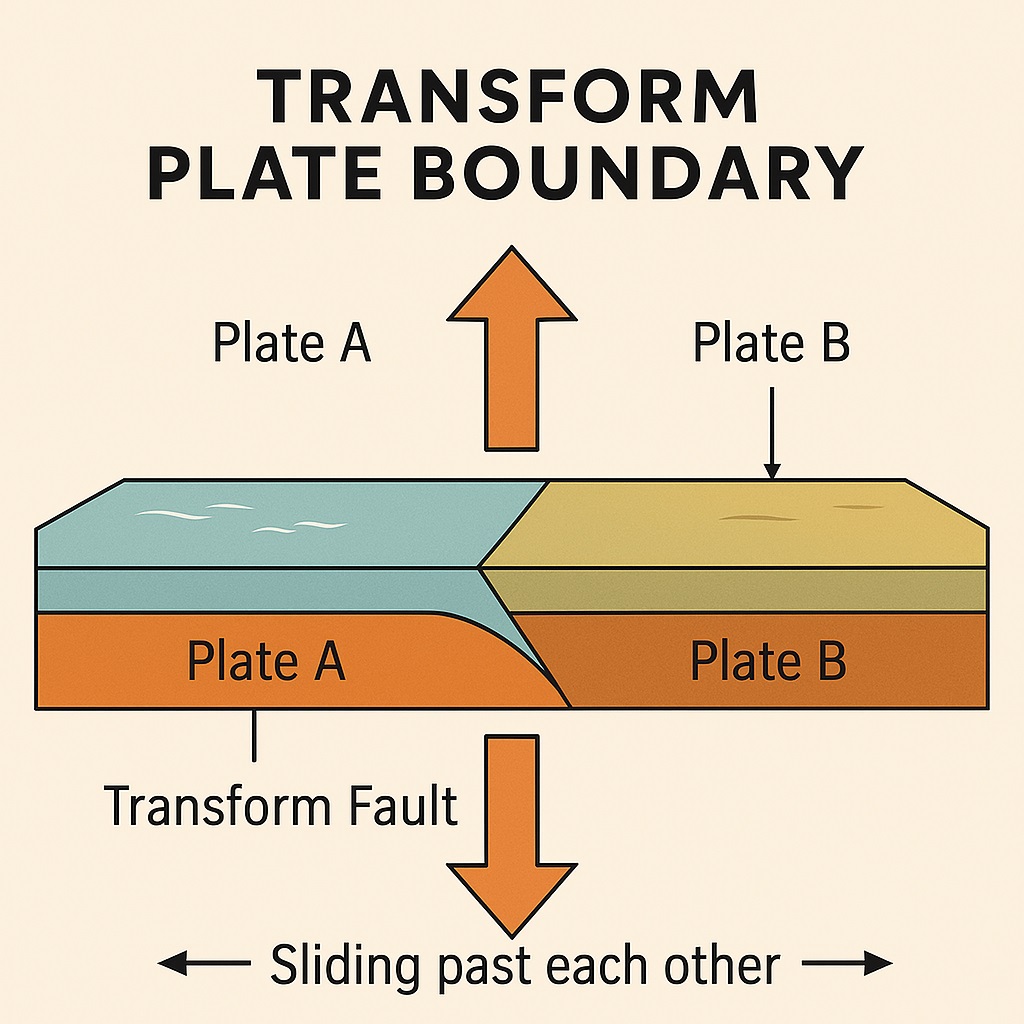
Plate Tectonics - Licchavi Lyceum
Plate Boundaries Convergent Divergent Transform
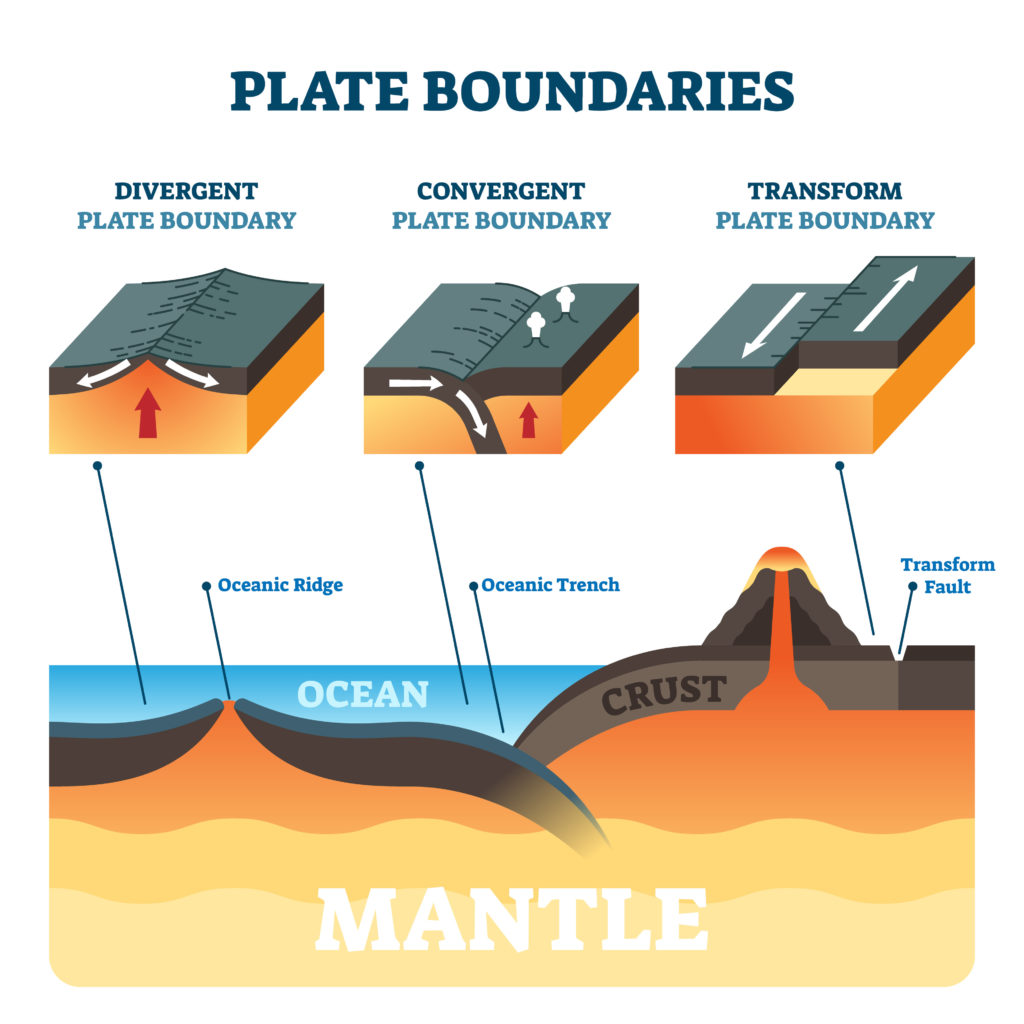
Plate Boundaries Convergent Divergent Transform
Transform Fault Fence Transform Plate Boundaries Geology (U.S.

Transform Fault Fence Transform Plate Boundaries Geology (U.S.
3.0 Plate Boundaries (overview) - DGGV
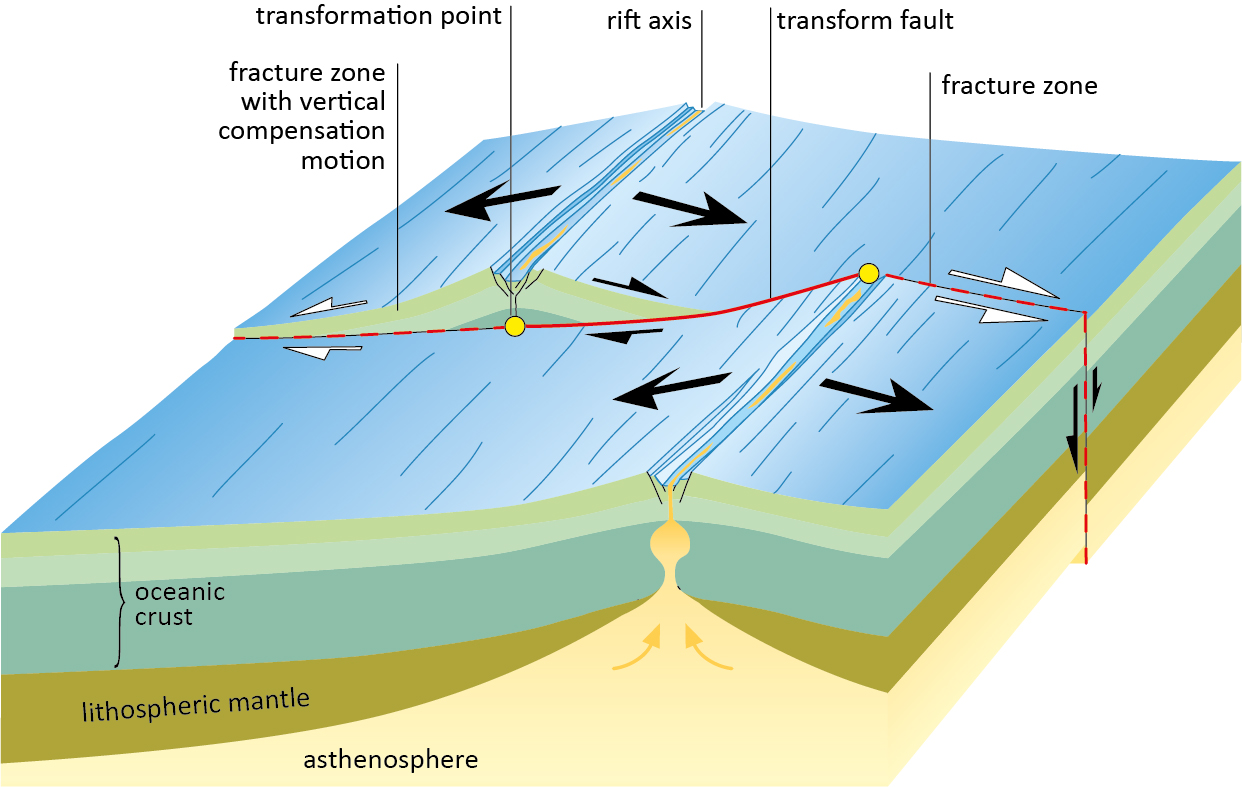
3.0 Plate Boundaries (overview) - DGGV
Transform Plate Boundary
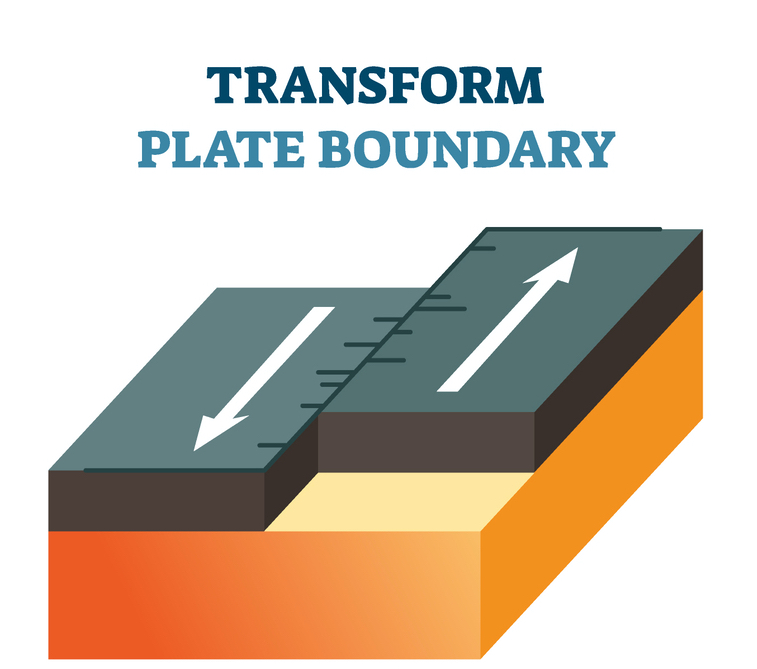
Transform Plate Boundary