When a planet lands near the edge of a house, the subtle blend of two domains can sharpen—or blur—the message a natal chart delivers. Recognizing those house cusp intersections equips astrologers to move beyond generic sign readings, delivering predictions that feel tailored, timely, and surprisingly specific.
What Are House Cusps and Why Do They Matter?
In a twelve‑section wheel, each cusp marks the beginning of a house and serves as the gateway for planetary energy. If a planet sits within three degrees of a cusp, its influence often straddles both the originating house and the adjacent one. This duality explains why someone with Venus at 29° Taurus may exhibit traits of both the second house (values, resources) and the third house (communication, learning). Understanding the mechanics of cusps transforms a static chart into a dynamic map of overlapping life themes.
How Do Cusps Influence Specific Areas of Life?
Consider three common research scenarios:
- Career transitions: A Midheaven (MC) at 1° Libra paired with Mars at 29° Virgo suggests a blend of meticulous project management (Virgo) and diplomatic leadership (Libra). The cusp insight predicts a career path that thrives on both detail and negotiation.
- Relationship patterns: Saturn on the cusp of the 7th/8th houses signals commitment fears that may manifest as both partnership boundaries (7th) and deep emotional security needs (8th).
- Health monitoring: The cusp of the 6th/7th houses activated by Mercury indicates that stress from social obligations can directly impact daily routines, prompting proactive stress‑management strategies.
When Should You Use Cusp Interpretation in a Reading?
Not every chart demands a deep dive into cusp nuances. Use them when:
- Planets fall within the three-degree orb of a cusp.
- The client’s question centers on a life area that sits on a borderline (e.g., “How will my new job affect my personal life?”).
- There is a pattern of planets clustering around multiple cusps, suggesting a theme of integration rather than separation.
Which Tools Help Identify Cusp Overlaps Accurately?
Modern software often includes a “cusp detection” toggle that highlights planets within a configurable orb. When comparing manual calculations, a spreadsheet can log each planet’s degree and calculate its distance from the nearest cusp. Cross‑checking both methods reduces human error and clarifies ambiguous placements. Collaborative platforms also let multiple astrologers annotate a chart, building a consensus that strengthens interpretive confidence.
What Are Common Pitfalls and How to Avoid Them?
New researchers often:
- Apply the cusp rule too loosely, interpreting any planet near a house edge as a dual influence. Stick to a three-degree threshold unless your practice adopts a tighter orb.
- Ignore the sign on the cusp itself. The sign modifies how the house’s theme is expressed, so a cusp in Cancer will flavor the adjacent house with nurturing energy.
- Overload a reading with every possible cusp overlap, which can obscure the core narrative. Prioritize the strongest planetary aspects and the client’s primary concerns.
How to Apply Cusp Insights for Precise Forecasts?
After identifying a cusp activation, follow a three‑step process:
- Define the blended theme: Combine the house meanings (e.g., 4th/5th cusp = home life meets creative self‑expression).
- Assess planetary strength: Consider the planet’s dignity, aspects, and speed to gauge how forcefully the hybrid energy will manifest.
- Translate into actionable advice: If the Sun lights the 10th/11th cusp, suggest career moves that also expand social networks, such as joining a professional association.
By anchoring predictions in these concrete steps, astrologers turn abstract cusp theory into a practical forecasting tool.
What Does This Mean for Ongoing Research?
For detail‑oriented scholars, the cusp framework offers a fertile ground for statistical studies—tracking how often cusp‑activated planets correspond with life events compared to non‑cusp placements. Such data could eventually refine the three‑degree standard or reveal cultural variations in cusp impact. Until then, incorporating cusp analysis remains a reliable way to enhance the nuance and accuracy of natal chart interpretations.
Understanding - Free Of Charge Creative Commons Tablet Dictionary Image

Understanding - Free of Charge Creative Commons Tablet Dictionary image
Use Critical Questioning To Support Your Learning – Learning To Learn
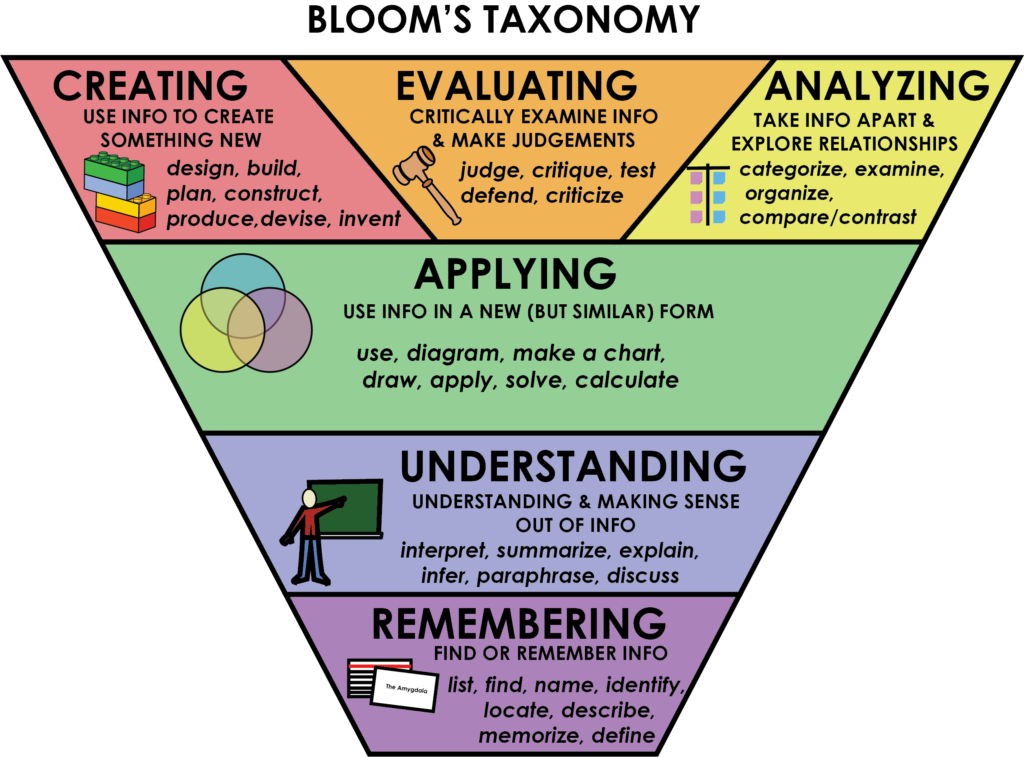
Use critical questioning to support your learning – Learning to Learn ...
What's So Funny About Peace And Love & Understanding? - Get Real Post
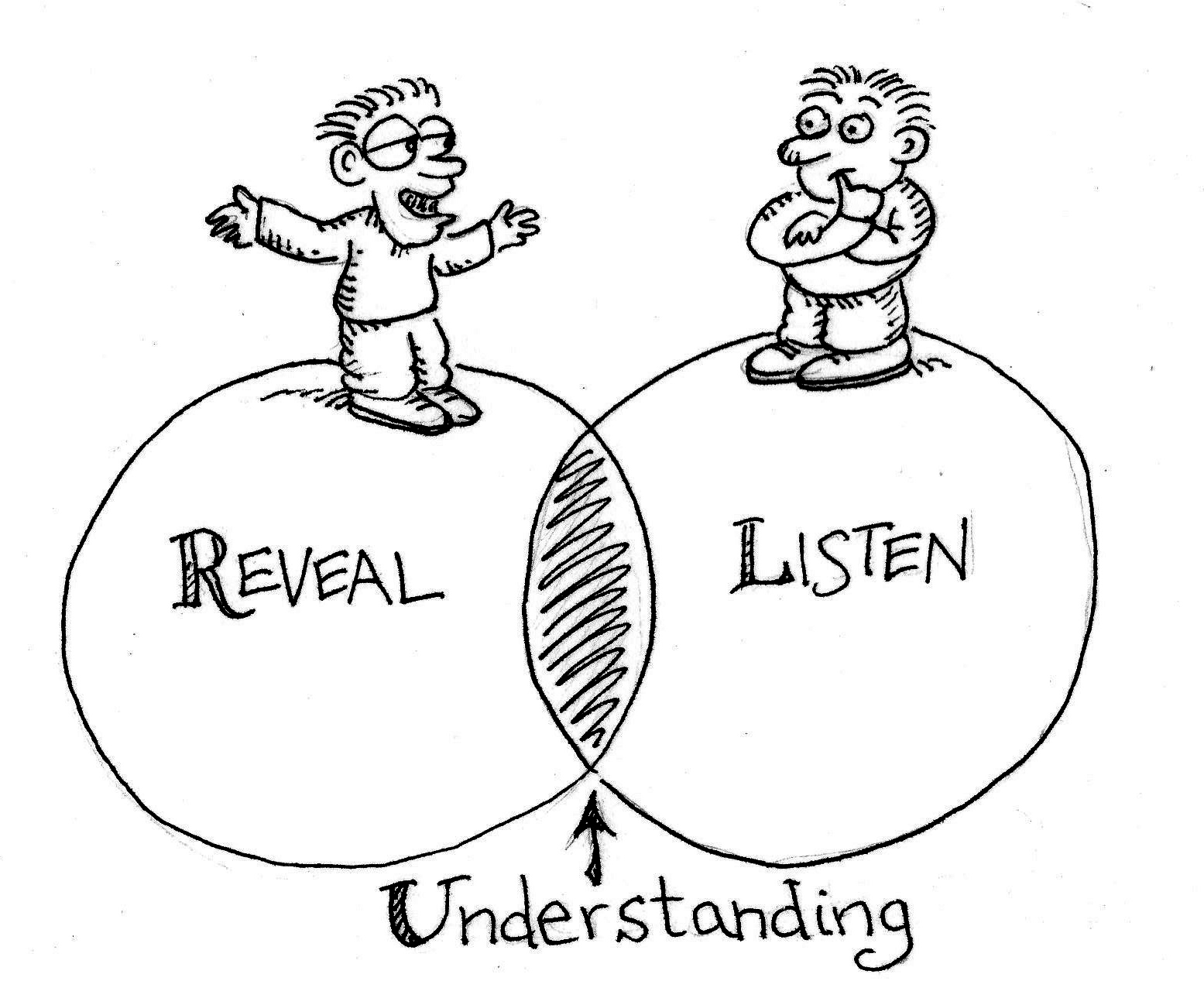
What's So Funny About Peace and Love & Understanding? - Get Real Post
Ideas — The Learner's Way

Ideas — The Learner's Way