Speech‑language pathologists (SLPs) constantly juggle client appointments, documentation deadlines, and interdisciplinary meetings, leading to fragmented schedules that compromise service quality. A customizable calendar system—integrated with evidence‑based workflow templates—offers a concrete solution, turning chaotic timetables into streamlined, data‑driven schedules that enhance productivity and client outcomes.
Why Traditional Scheduling Fails SLP Clinics
Most SLP practices rely on generic digital calendars or paper planners that lack domain‑specific fields. This results in three recurring problems:
- Missed documentation windows: Without automatic prompts, progress notes often lag, jeopardizing reimbursement and clinical fidelity.
- Inefficient caseload balancing: Clinicians may overbook high‑intensity clients while underutilizing slots for routine follow‑ups.
- Limited interdisciplinary visibility: Coordinating with occupational therapists, educators, and physicians requires manual cross‑checking, increasing error risk.
These inefficiencies are amplified in research‑oriented settings where precise time stamps and session coding are essential for outcome analysis.
Designing a Customizable Calendar Tailored to SLP Workflows
A purpose‑built calendar should incorporate the following modules, each configurable to the practice’s size and specialty:
- Session Type Templates – Pre‑filled fields for articulation, fluency, dysphagia, and language assessment, auto‑populating required documentation codes (e.g., CPT 92507, 92521).
- Resource Allocation Matrix – Drag‑and‑drop interface linking therapy rooms, assistive technology, and interpreter availability to appointment slots.
- Compliance Alerts – Real‑time notifications for HIPAA‑mandated documentation within 24 hours, insurance claim submission deadlines, and research data capture windows.
- Interdisciplinary Sync – Shared calendar layers that display overlapping meetings with audiology, special education, and medical teams, preventing double‑booking.
- Analytics Dashboard – Weekly heat maps showing clinician load, no‑show rates, and therapy intensity distribution, supporting evidence‑based staffing decisions.
Each module can be toggled on or off, allowing small private practices to start with core scheduling and scale up as research projects or multidisciplinary collaborations emerge.
Implementing the System: Step‑by‑Step Action Plan
1. Audit Current Scheduling Gaps
Gather three months of appointment data and flag missed documentation, overtime hours, and frequent rescheduling. Quantify the impact in terms of lost billable minutes and client satisfaction scores.
2. Choose a Platform with Open APIs
Prioritize solutions that integrate with electronic health records (EHRs) such as EMR‑One or Catalyst, and that support HL7/FHIR standards for seamless data exchange. Open APIs enable custom field creation without vendor lock‑in.
3. Map Clinical Workflows to Calendar Fields
Collaborate with clinicians to translate each therapy protocol into a calendar template. For example, a dysphagia session template might include pre‑session swallow screening, equipment checklist, and post‑session note prompts.
4. Pilot with a Single Clinician
Run a 30‑day pilot, monitoring adherence to documentation alerts and the frequency of scheduling conflicts. Adjust field labels and alert timing based on feedback.
5. Roll Out Practice‑Wide and Train Staff
Conduct a brief workshop covering drag‑and‑drop scheduling, alert management, and analytics interpretation. Provide cheat sheets that pair each calendar view with its corresponding reporting requirement.
6. Review Metrics Quarterly
Use the analytics dashboard to compare pre‑implementation benchmarks with current performance. Target a 15 % reduction in missed documentation alerts and a 10 % improvement in caseload balance within the first quarter.
Implications for Research‑Driven SLP Practices
When scheduling data is captured in a structured, exportable format, researchers can directly link session timing to outcome measures such as the Preschool Language Scale or the Functional Oral Intake Scale. This eliminates manual data cleaning, accelerates IRB reporting, and supports reproducible studies. Moreover, the built‑in compliance alerts ensure that every data point meets ethical and regulatory standards, reducing the risk of audit findings.
Bottom Line
Transitioning to a customizable calendar system converts a perennial administrative burden into a strategic asset. By embedding clinical templates, compliance safeguards, and real‑time analytics, SLP practices not only streamline day‑to‑day operations but also lay a robust foundation for data‑driven research and quality improvement. The actionable roadmap outlined above provides a clear pathway for any clinic—large or small—to adopt a scheduling solution that truly supports the science and art of speech‑language pathology.
Matriarchy To Patriarchy In The Neolithic And The Y-Chromosome
Matriarchy to Patriarchy in the Neolithic and the Y-Chromosome ...
One Male For Every 17 Females?! Did The Younger Dryas Cause The Y

One Male for Every 17 Females?! Did the Younger Dryas Cause the Y ...
Dienekes’ Anthropology Blog: Bottleneck In Human Y-chromosomes In The

Dienekes’ Anthropology Blog: Bottleneck in human Y-chromosomes in the ...
Podcast YC002 - The Y-Chromosome Bottleneck - Part II
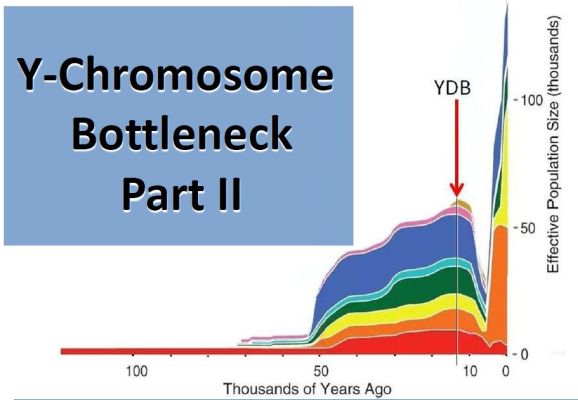
Podcast YC002 - The Y-Chromosome Bottleneck - Part II
Y-Chromosome Bottleneck
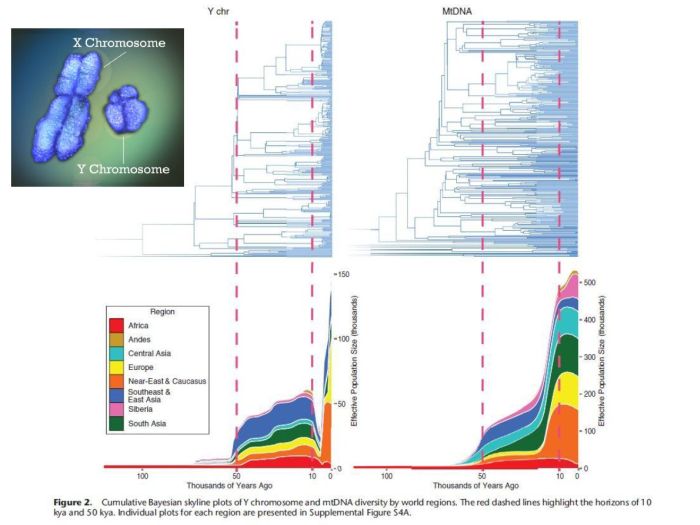
Y-Chromosome Bottleneck