Selecting the right beard hue isn’t a fashion whim; it’s a calculated move that can sharpen facial definition, balance proportions, and reinforce personal branding. For hobbyists who already experiment with length, texture, and styling, mastering color adds a layer of visual strategy that aligns with face‑shape fundamentals. This guide breaks down the decision process into concrete questions, delivering clear answers you can test on the next grooming session.
What face shape am I working with, and why does it matter?
Every facial contour—oval, round, square, rectangle, or heart—carries a visual weight. Lightening a beard can make a dense jawline appear softer, while darkening a sparse growth can add perceived depth. For example, a square face with a strong chin often benefits from a slightly darker, richer shade that accentuates the jaw without harsh contrast. Conversely, a round face gains elongation when the beard is a shade a step lighter than the natural hair, creating a subtle gradient that draws the eye upward.
How do my natural hair and skin tones interact with beard pigments?
Matching or contrasting your beard color to your existing hair and skin tone is a balancing act. If your scalp hair is ash‑brown and your skin leans cool, a charcoal or muted brown will blend seamlessly, avoiding a “fake” look. Warm‑toned skin (golden undertones) pairs well with coppery or honey‑brown tones that echo the natural warmth. The rule of thumb: stay within one to two levels of your natural hair shade unless you aim for a dramatic transformation, in which case consider a professional consultation to avoid clashing with skin undertones.
Practical test: The 24‑Hour Fade
- Choose a temporary beard dye (semi‑permanent or wash‑out) two shades lighter or darker than your base.
- Apply to a small, hidden section (e.g., under the chin) and monitor for any discoloration or irritation over a full day.
- Assess the visual impact in natural daylight; if the shade looks “off,” adjust by one level and repeat.
Which coloring techniques preserve beard health?
Beard hair is coarser than scalp hair, so it absorbs pigment differently. Semi‑permanent dyes that rely on oxidative agents tend to be gentler, especially when mixed with carrier oils (jojoba, argan) to maintain moisture. Avoid high‑ammonia formulas; they strip the cuticle and can cause brittleness. If you prefer a longer‑lasting hue, a low‑peroxide permanent dye applied by a professional can deliver uniform coverage, but schedule a deep conditioning treatment weekly to counteract potential dryness.
What maintenance schedule keeps the color looking intentional?
Beard color fades faster at the tips due to exposure and the natural shedding cycle. A practical regimen includes:
- Re‑apply a semi‑permanent tint every 3‑4 weeks, focusing on the lower third of the beard.
- Trim the ends monthly; fresh growth reveals the original color, making the contrast appear purposeful.
- Use a sulfate‑free beard shampoo and a color‑protecting conditioner to minimize pigment loss.
Can I combine multiple shades for a layered effect?
Yes, and the technique mirrors “balayage” used on scalp hair. Lightening the lower strands while keeping the upper beard darker creates depth that mirrors natural sun‑bleached growth patterns. For a square or rectangular face, a darker top paired with a subtly lighter chin can soften the vertical lines, producing a more harmonious silhouette.
What are the common pitfalls experienced hobbyists should avoid?
Over‑processing is the leading cause of brittle beard hair. Applying dye more frequently than recommended, or using a shade jump of three levels or more, often results in uneven patches and a washed‑out appearance. Additionally, neglecting a patch test can trigger allergic reactions, especially on sensitive skin beneath the chin.
What’s the bottom line for choosing a beard color?
Start by identifying your face shape, then align the hue with your natural hair and skin undertones. Test with a temporary dye, prioritize gentle formulations, and establish a maintenance cadence that respects the beard’s growth cycle. By treating color as an extension of shape‑based grooming, you turn a simple aesthetic tweak into a strategic enhancement of facial architecture.
Ultimate Frisbee 101: A Beginners Guide To Ultimate - Elevate Ultimate

Ultimate Frisbee 101: A Beginners Guide to Ultimate - Elevate Ultimate
Different Types Of Passes In Ultimate Frisbee | Iodisc

Different Types of Passes in Ultimate Frisbee | Iodisc
Ultimate Tyranno (V.2) POTD-EN020 Ultimate Rare Englisch
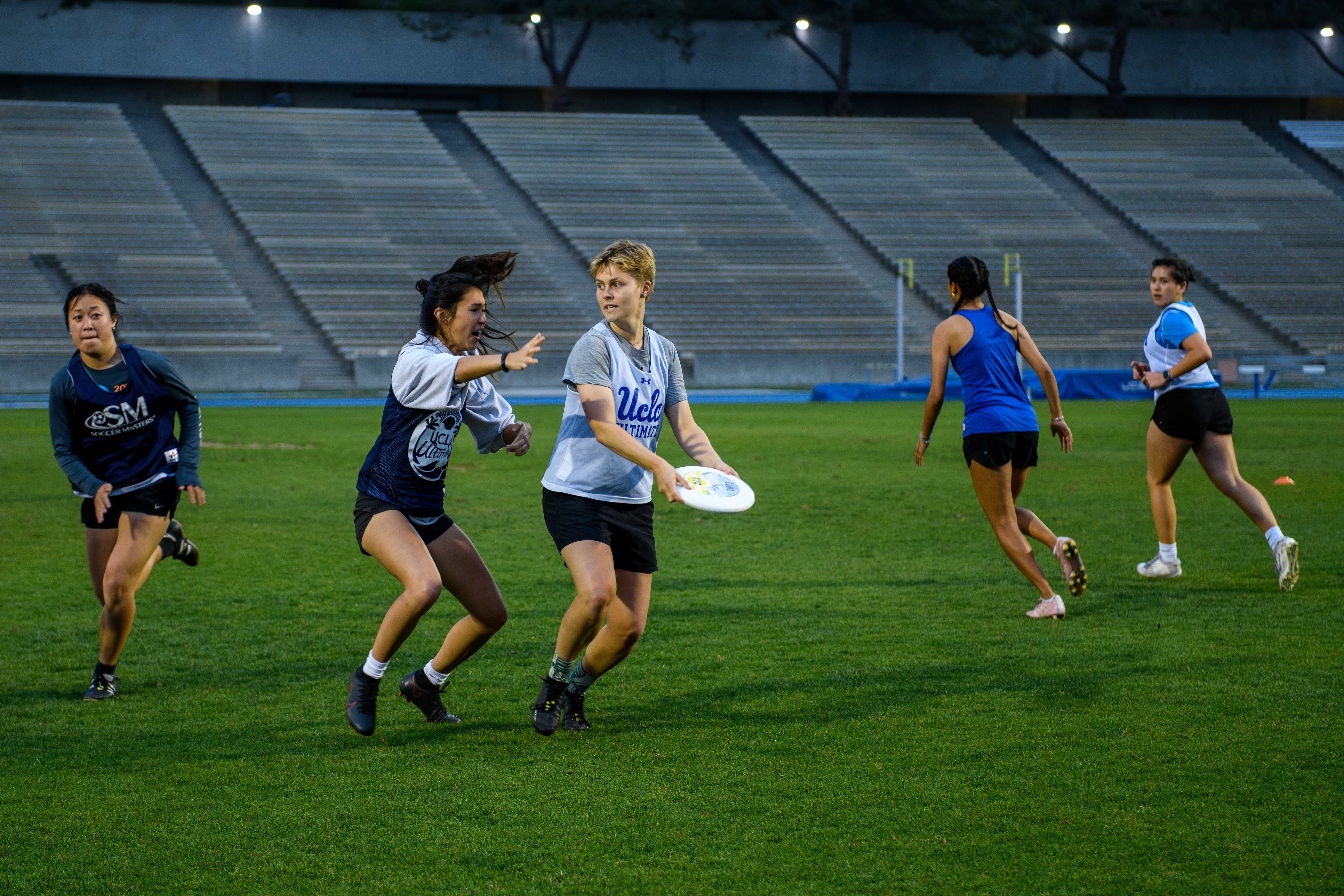
Ultimate Tyranno (V.2) POTD-EN020 Ultimate Rare Englisch
Technique Frisbee Ultimate | Techniques De Lancer En Frisbee – YXCE

Technique Frisbee Ultimate | Techniques De Lancer En Frisbee – YXCE
Ultimate Frisbee 101: A Beginners Guide To Ultimate - Elevate Ultimate
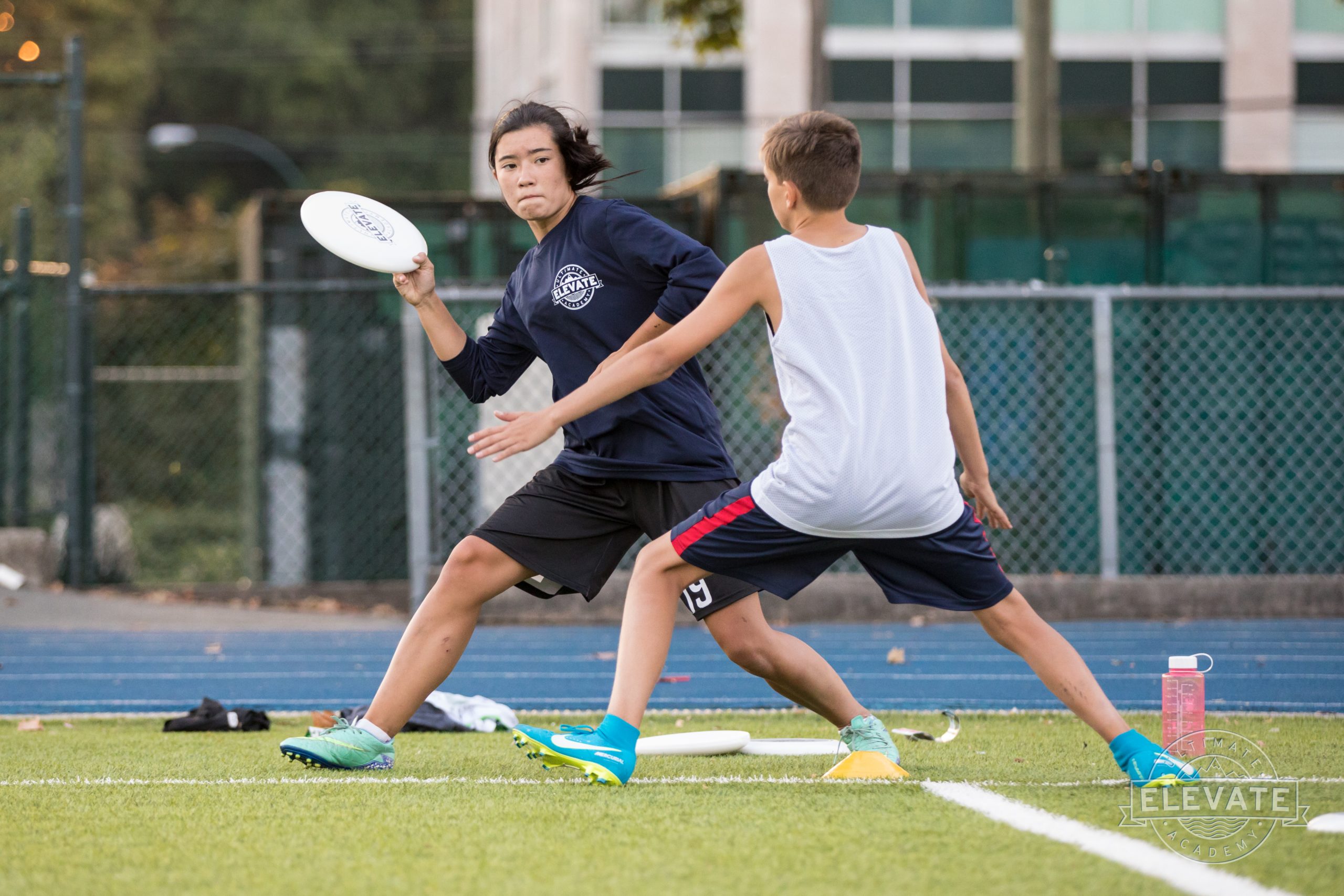
Ultimate Frisbee 101: A Beginners Guide to Ultimate - Elevate Ultimate