Dental educators and researchers increasingly rely on printable tooth models to illustrate anatomy, plan procedures, and engage students. While modern software makes design straightforward, overlooking a handful of technical details can turn a useful resource into a frustrating, inaccurate tool. Below is a step‑by‑step guide that highlights the most frequent pitfalls and shows exactly how to sidestep them.
Why Tooth Printables Matter in Modern Dentistry
Printable tooth replicas bridge the gap between textbook diagrams and real‑world practice. They allow instructors to demonstrate cavity morphology, crown preparation, and occlusal relationships with tactile precision. For clinicians, patient‑specific models aid in treatment planning and communication, often reducing chair‑time and improving outcomes. Because the stakes involve both learning and patient safety, precision in the creation process is non‑negotiable.
Common Mistake #1 – Starting with Low‑Resolution Source Images
Many creators download a quick JPEG of a tooth and assume it’s sufficient. In reality, the raster resolution determines the smallest detail that can be reproduced. If the image is under 300 dpi, fine features such as enamel prisms or root canals blur or disappear in the final print.
- Check DPI before importing. Use a graphics editor to confirm at least 300 dpi for diagnostic‑level models.
- Prefer vector formats. SVG or CAD files preserve crisp edges and scale without loss.
- Source from reputable databases. University dental archives or open‑source anatomical libraries typically provide high‑quality files.
Common Mistake #2 – Inconsistent Scaling Across Multiple Teeth
When assembling a series of teeth for a full arch, designers often apply separate scaling factors to each model. The resulting set looks realistic at a glance but measurements are off by millimetres, compromising any quantitative analysis.
Solution: establish a single reference dimension—commonly the mesiodistal width of a central incisor (≈8.5 mm for an adult). Apply that scale uniformly before exporting any additional teeth. Use the same unit system (mm) throughout the workflow to avoid conversion errors.
Common Mistake #3 – Ignoring Printer Margin and Bed Limits
Desktop SLA and FDM printers have non‑printable borders. Placing a tooth model too close to the edge can truncate the crown or root, leading to a model that cannot be used for detailed study.
- Open the slicer software and enable “border preview.”
- Shift the model inward by at least 5 mm from any edge.
- Verify that the build plate’s maximum printable dimensions exceed the model’s largest axis.
Common Mistake #4 – Overlooking Material Compatibility
Not all printable resins or filaments capture the translucency and hardness of natural enamel. Using a generic PLA filament, for instance, yields a dull, brittle tooth that feels nothing like the clinical counterpart.
Best practice: select a dental‑grade resin that mimics the modulus of elasticity of dentin (≈18 GPa) and offers a clear or ivory hue. If budget constraints limit material choice, at least apply a post‑print coating—such as a thin epoxy layer—to improve surface smoothness and durability.
Common Mistake #5 – Skipping a Test Print
Rushing from design to a full‑size batch saves time on paper but often results in wasted material. A single low‑cost test print reveals issues with orientation, support structures, and dimensional accuracy before committing to the final run.
Run a 25 % scale test on the same printer settings you intend to use. Measure critical dimensions with calipers; any deviation beyond ±0.2 mm signals a need to recalibrate the slicer or adjust the model.
Implications for Education and Clinical Practice
When the above mistakes are avoided, tooth printables become reliable teaching aids and precise planning tools. Accurate models boost student confidence, reduce the number of revisions in prosthetic design, and enhance patient understanding during consent discussions. Conversely, errors propagate misinformation, leading to misdiagnoses or unnecessary chair‑time adjustments.
Practical Checklist Before Sending a Tooth Model to the Printer
- Confirm source image resolution ≥ 300 dpi or use vector/CAD files.
- Apply a single, documented scaling factor based on an anatomical reference.
- Position the model at least 5 mm from printer margins; respect build‑plate limits.
- Select dental‑grade resin or filament; consider post‑processing coatings.
- Perform a 25 % scale test print and verify critical dimensions with calipers.
- Document printer settings (layer height, exposure time, support density) for repeatability.
By treating each step as a quality‑control checkpoint, creators can transform a simple 3‑D file into a high‑fidelity tooth replica that serves both academic and clinical objectives. The result is a smoother workflow, fewer material waste incidents, and, most importantly, a learning tool that truly reflects the complexity of human dentition.
Les 6 Plus Beaux Fjords De Norvège

Les 6 plus beaux fjords de Norvège
Fjords De Norvège : Que Faire & Conseils Pour Organiser Son Voyage
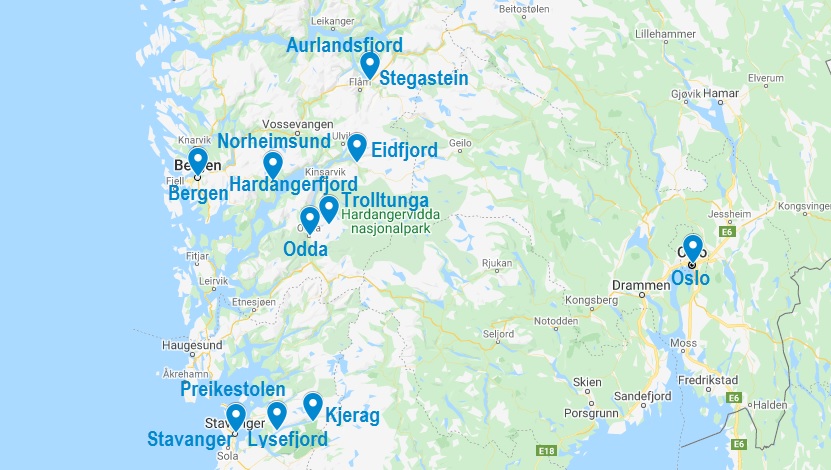
Fjords de Norvège : que faire & conseils pour organiser son voyage ...
Visiter Les Fjords En Norvège : Où Et Quand Partir

Visiter les Fjords en Norvège : Où et Quand Partir
Fjords De Norvège - Fjords Sognefjord & Naeroyfjord - Cartes Des Fjords
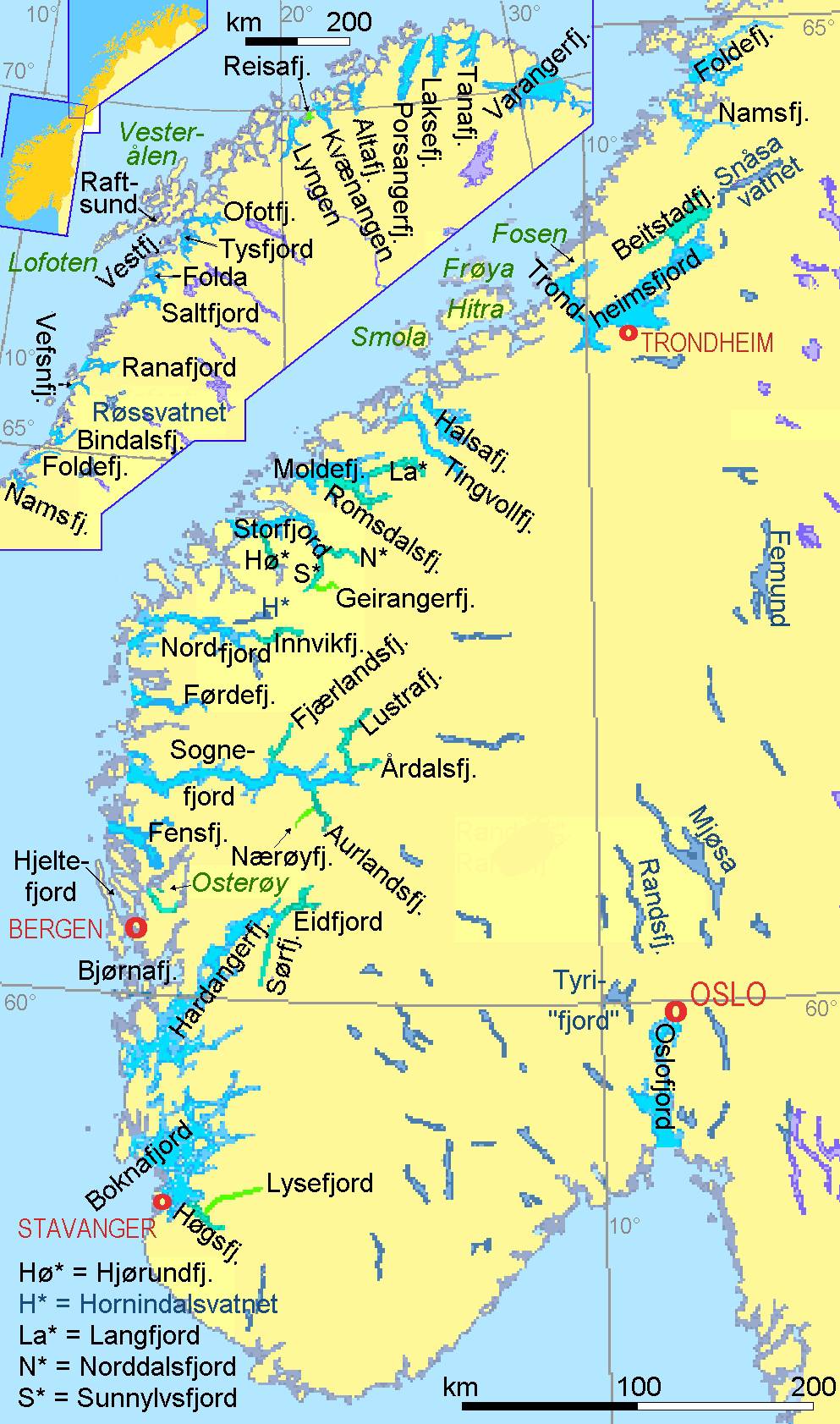
Fjords de Norvège - Fjords Sognefjord & Naeroyfjord - Cartes des fjords
Norvège : Les 10 Expériences Incontournables De L’été | Atalante

Norvège : les 10 expériences incontournables de l’été | Atalante