Recent nationwide surveys reveal a steady rise in religious “nones” and a modest diversification of faith traditions across the United States. While Christianity remains the dominant affiliation, its share has softened, prompting scholars to reassess how belief systems shape politics, culture, and community life. This article maps the most salient patterns, explains the drivers behind them, and outlines what the evolving landscape could mean for policymakers and civic organizations.
What historical forces have shaped today’s religious composition?
Over the past two decades, the United States has experienced three interlocking currents: generational turnover, immigration, and the digital diffusion of secular ideas. Millennials and Gen Z cohorts, raised amid greater exposure to pluralistic worldviews, are less likely to inherit the faith of their parents. Meanwhile, immigration from Latin America, South Asia, and the Middle East has introduced larger numbers of Catholics, Hindus, Muslims, and Buddhists. Finally, online platforms have amplified secular narratives, making non‑religious identities more socially visible and acceptable.
Which groups are gaining ground, and which are declining?
Data consistently show growth in the “no religious affiliation” category, now comprising roughly one‑quarter of the adult population. This group is not monolithic; it includes atheists, agnostics, and those who describe themselves as “spiritual but not religious.” At the same time, evangelical Protestant numbers have edged down, while mainline Protestant denominations face membership erosion. Non‑Christian faiths, though still small in absolute terms, have registered modest increases, especially among Asian‑American communities.
How do regional variations influence the national picture?
The South continues to host the highest concentration of evangelical Christians, reflecting longstanding cultural ties to evangelical megachurches. In contrast, the Pacific Northwest and New England register the highest percentages of unaffiliated adults, aligning with broader trends in education and political liberalism. Metropolitan corridors such as New York, Los Angeles, and Chicago display the most religious diversity, owing to dense immigrant settlement and vibrant interfaith networks.
What implications do these shifts hold for public policy and civic life?
Policymakers must navigate a more pluralistic electorate. Issues once framed in overtly Christian terms—like school prayer or abortion—now encounter nuanced arguments from a broader spectrum of belief systems. Social services increasingly rely on interfaith coalitions, recognizing that community support transcends any single tradition. Meanwhile, the rise of the unaffiliated challenges institutions to address moral and ethical discourse without defaulting to theological premises.

How can researchers and journalists track these evolving trends?
Accurate monitoring hinges on longitudinal surveys like the Pew Religious Landscape Study, the General Social Survey, and the American Religious Identification Survey. Combining quantitative data with qualitative interviews yields a fuller picture of why individuals shift affiliation—be it marriage, migration, or personal conviction. Journalists benefit from visualizing changes over time, using maps and interactive charts that make demographic nuance accessible to a broad readership.
What steps can individuals take to engage responsibly with a diversifying religious landscape?
First, cultivate curiosity by attending interfaith events or reading personal narratives from varied traditions. Second, approach conversations about belief with humility, recognizing that statistical trends do not capture the lived complexity of faith. Finally, support community initiatives that bridge religious divides, such as joint service projects or dialogue circles, which reinforce social cohesion amid demographic change.
Understanding US religion percentage trends and insights is not merely an academic exercise; it equips citizens, leaders, and media professionals to navigate a society where belief—and non‑belief—continues to evolve in measurable and meaningful ways.
Use Critical Questioning To Support Your Learning – Learning To Learn
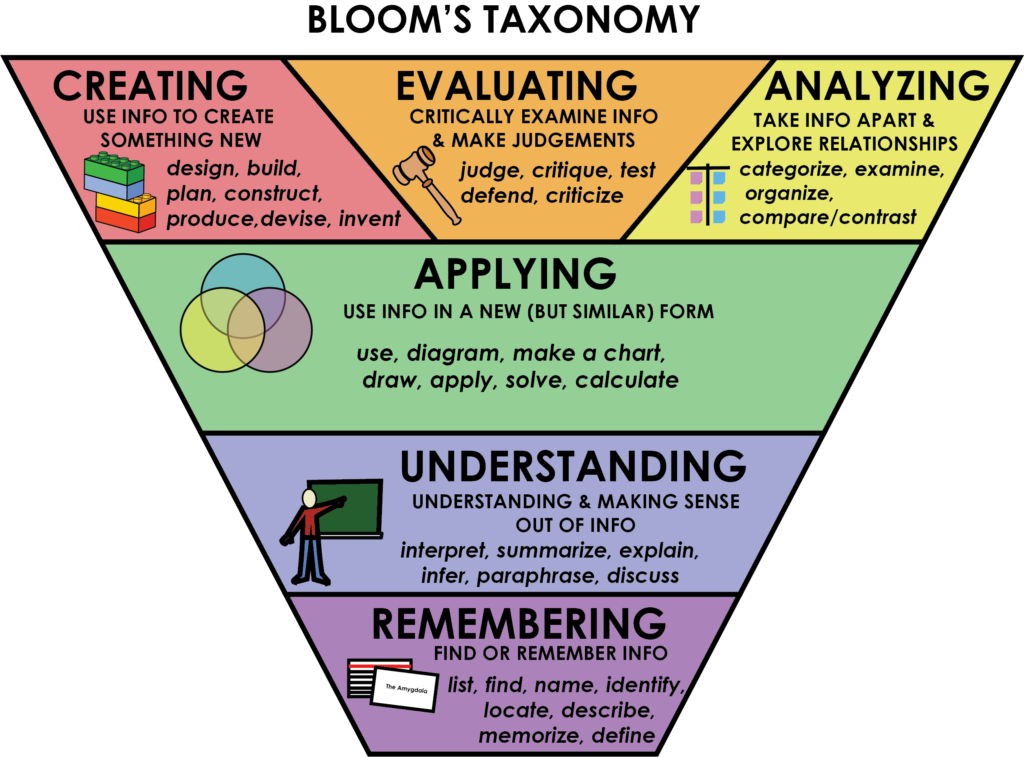
Use critical questioning to support your learning – Learning to Learn ...
Ideas — The Learner's Way

Ideas — The Learner's Way
Consensus Building In The Paranormalist Community – Etheric Studies
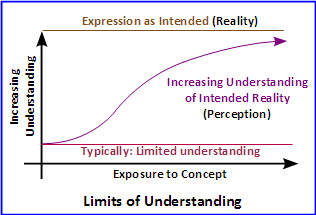
Consensus Building in the Paranormalist Community – Etheric Studies