When you decide to invest in a U.S. equity index fund, the choice often comes down to two heavyweight benchmarks: the Russell 1000 and the S&P 500. Both track large‑cap American companies, but they differ in size breadth, sector balance, and the way they’re constructed. Understanding those nuances helps you match an index to your risk tolerance, investment horizon, and income goals.
If You Want the Broadest Large‑Cap Exposure
The Russell 1000 includes the 1,000 largest U.S. companies by market capitalization, representing roughly 92 % of the investable U.S. equity market. Because it stretches beyond the 500‑stock S&P 500, the Russell 1000 adds a layer of mid‑large‑cap stocks that can smooth out volatility without straying far from the core market.
- Number of constituents: 1,000 vs. 500.
- Market‑cap coverage: About 92 % of the total U.S. market versus roughly 80 % for the S&P 500.
- Sector tilt: Slightly heavier in industrials and consumer discretionary because of the extra mid‑cap companies.
If You Prefer a Concentrated Large‑Cap Core
The S&P 500 focuses strictly on the 500 biggest U.S. corporations, all of which meet strict liquidity, profitability, and corporate‑governance standards. Its tighter composition often leads to a marginally higher average market cap and a stronger weighting toward the mega‑cap tech and health‑care giants that dominate the index.
- Number of constituents: 500.
- Market‑cap focus: Predominantly mega‑caps, with a higher average market cap than the Russell 1000.
- Sector tilt: Heavier in information technology and health‑care because those sectors dominate the largest companies.
How Historical Performance Shapes Your Decision
Both indexes have delivered long‑term growth that tracks the overall health of the U.S. economy. Over multi‑year periods, the S&P 500 has often edged out the Russell 1000 by a modest margin, largely due to its larger weighting in high‑growth tech stocks. However, the Russell 1000’s broader base can provide a small cushion during market downturns, as the added mid‑cap exposure spreads risk across more companies.
Risk and Volatility: What the Numbers Reveal
Because the Russell 1000 holds more stocks, its standard deviation—a common measure of volatility—is typically a touch lower than the S&P 500’s. That difference is subtle, but for investors who are sensitive to short‑term swings, the Russell 1000 may feel slightly less jittery. Conversely, if you’re comfortable with a bit more swing in exchange for potential upside from the biggest innovators, the S&P 500’s tighter focus could be appealing.
Dividend Yield and Income Considerations
Both indices contain dividend‑paying firms, but the Russell 1000’s inclusion of additional mid‑cap companies often translates to a marginally higher aggregate dividend yield. Investors seeking modest, regular income might appreciate that edge, especially when paired with a low‑cost index fund that distributes dividends quarterly.
Practical Steps to Choose the Right Index Fund
- Define your goal. If you’re building a core retirement portfolio and want the simplest, most widely tracked benchmark, the S&P 500 is a solid default. If you want a slightly broader market slice without stepping into small‑cap territory, lean toward the Russell 1000.
- Check the fund’s expense ratio. Most U.S. index ETFs charge under 0.05 %, but slight differences can affect long‑term returns.
- Consider tax efficiency. Both indexes are highly tax‑efficient in a pass‑through fund structure, yet the Russell 1000’s marginally higher dividend yield may generate a modestly larger taxable distribution.
- Evaluate the fund’s tracking error. Reputable providers (e.g., Vanguard, iShares, SPDR) keep tracking error minimal, but a quick glance at the fund’s prospectus can confirm that the index is being followed closely.
Bottom Line: One Size Does Not Fit All
Choosing between the Russell 1000 and the S&P 500 hinges on how much breadth you want within the large‑cap universe. The Russell 1000 offers a slightly wider net and a touch more dividend income, while the S&P 500 gives you a concentrated exposure to the nation’s biggest market leaders. Align your selection with your risk comfort, income needs, and the role the index will play in your overall portfolio, and you’ll be set for a smoother investing journey.
CACTUS: Nederlandse Vertaling Van Gustavo Cerati

CACTUS: Nederlandse vertaling van Gustavo Cerati
Gustavo Cerati Cumpliría Hoy 64 Años Y Estrenaron Nuevos Videos En Su

Gustavo Cerati cumpliría hoy 64 años y estrenaron nuevos videos en su ...
Gustavo Cerati Y La Historia De "Lago En El Cielo", La última Canción

Gustavo Cerati y la historia de "Lago en el cielo", la última canción ...
Gustavo Cerati

Gustavo Cerati
Gustavo Cerati Tras El Lanzamiento De ‘Siempre Es Hoy’: “Después Del
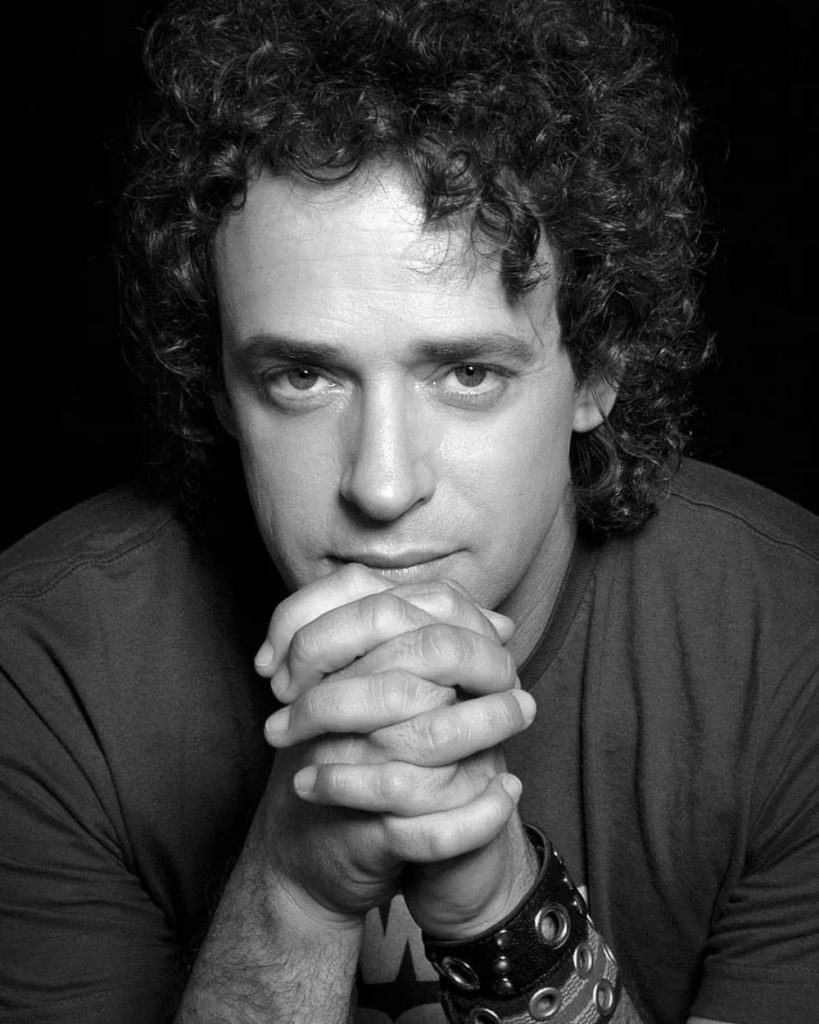
Gustavo Cerati tras el lanzamiento de ‘Siempre es hoy’: “Después del ...