Integrating a Student Information System (SIS) with a Reporting Information System (RIS) often stalls projects because schools juggle legacy data, disparate platforms, and tight budgets. The core difficulty lies in aligning data structures while preserving real‑time accuracy, a problem that can derail compliance reporting and decision‑making if not addressed early. Below, we break down the most common obstacles and outline a graduated approach that lets districts move from pilot to full rollout with measurable confidence.
Why do RIS integration projects stumble in the first place?
Most districts inherit siloed databases that speak different “languages.” When the SIS stores student demographics in one schema and the RIS expects attendance codes in another, simple mismatches cascade into failed imports, duplicated records, and missed reporting deadlines. Add to that the regulatory pressure to submit state‑mandated data within tight windows, and the margin for error shrinks dramatically. Without a clear roadmap, IT teams spend weeks troubleshooting data mapping instead of delivering value.
How can a graduated approach reduce risk?
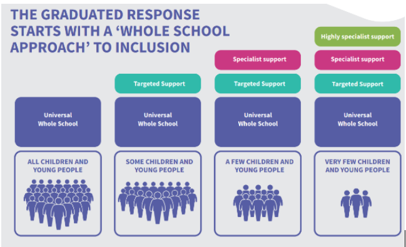
Implementing integration in stages—starting with a limited data set, validating outcomes, then expanding scope—lets schools isolate problems before they affect the entire ecosystem. The diagram below illustrates this stepwise method, showing how each phase builds on the last while providing checkpoints for stakeholders.
Step 1: Pilot core student identifiers
Begin by syncing only the student ID, name, and enrollment status. This tiny payload validates the connection and highlights any formatting issues—such as mismatched date fields—without jeopardizing large volumes of data.
Step 2: Add attendance and grades
Once the pilot proves stable, layer in daily attendance and grading information. Use automated validation scripts to compare source and target totals, catching anomalies before they propagate.
Step 3: Expand to auxiliary records
Finally, incorporate discipline incidents, extracurricular participation, and custom fields. At this stage, the integration has already survived the most data‑intensive categories, making full‑scale deployment far less risky.
What tools and practices smooth the data flow?
- Standardized data models. Adopt the Ed-Fi or IMS Global schema as a common reference; it eliminates ad‑hoc field mapping and reduces translation errors.
- API‑first middleware. Platforms like Azure Logic Apps or MuleSoft provide visual mapping tools and built‑in error handling, cutting the need for custom code.
- Automated testing suites. Run nightly regression tests that compare record counts and checksum values between the SIS and RIS, alerting staff to drift before it impacts reporting.
- Stakeholder checkpoints. Schedule brief reviews after each integration phase, allowing data officers, teachers, and compliance managers to confirm that outputs meet real‑world expectations.
What are the measurable benefits after overcoming the challenges?
Districts that complete a graduated RIS integration typically see a 30‑40 % reduction in manual data reconciliation time, freeing staff to focus on analysis rather than cleanup. Accurate, real‑time reporting also improves compliance scores, as state education departments receive error‑free submissions on schedule. Finally, the reliable data pipeline supports predictive analytics—enabling early identification of attendance risks or achievement gaps—without the need for separate data extraction projects.
By acknowledging the inherent complexities of RIS integration and applying a measured, phased strategy, schools can turn a traditionally risky undertaking into a scalable, value‑adding capability.